Mexican Music: A Journey Through Tradition, Pop, and Classical Artistry
The music of Mexico is a vibrant tapestry that mirrors the nation's complex cultural identity. Shaped by the convergence of European, Indigenous, and African traditions, Mexican music has evolved since the 19th century into a powerful form of national expression. Today, Mexico stands as a global powerhouse in the industry, ranking as the largest recorded music market in the Spanish-speaking world and the tenth-largest globally, according to IFPI reports.
Key Facts
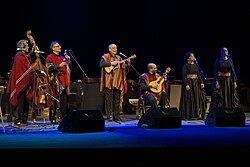
- Global Influence: Mexico is the largest Spanish-speaking recorded music market in the world.
- Mariachi Heritage: Originating in Jalisco, Mariachi is a globally recognized symbol of Mexican culture.
- Diverse Roots: The music is a blend of indigenous sounds, Spanish colonial influence, and African rhythms.
- Genre Variety: From the romantic Bolero and tropical Cumbia to high-energy Ska and prestigious Opera.
Traditional Folk Music
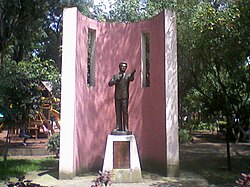
Mexican folk music is deeply regional, with distinct instruments and styles defining the North, Center, and South of the country.
Northern Mexican Folk Music
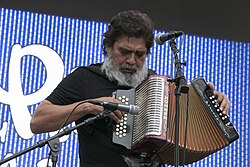
The music of the North is characterized by the use of the accordion, bajo sexto (a six-string Mexican guitar), snare drums, and the tuba.
Central Mexican Folk Music
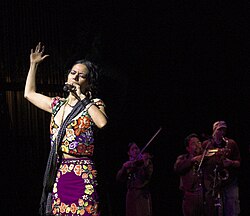
Central Mexico utilizes a mix of guitars, violins, trumpets, and the bajo sexto. The most iconic ensemble from this region is the Mariachi. Originating in the 19th century in southern Jalisco, Mariachi ensembles typically feature the guitarrón, vihuela, guitar, violins, and trumpets. Guadalajara is celebrated as the "Capital of Mariachi." These groups perform a variety of forms, including rancheras, huapangos, polkas, and corridos.
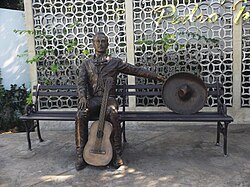
Southern Mexican Folk Music
In the South, the soundscape changes to include harps, requinto guitars, the jarana jarocha, and the marímbula. A notable genre from the Costa Chica region (between Oaxaca and Guerrero) is the Chilena. This style was influenced by the Chilean cueca, brought to Mexico by sailors in 1821 and later by immigrants during the California gold rush.
Popular Music and Modern Evolution
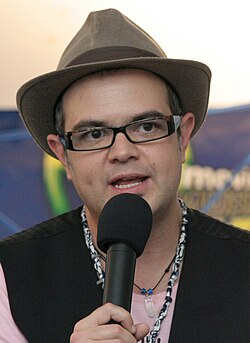
Mexico's popular music has transitioned from early adaptations of foreign hits to globally influential original sounds.
Pop and the Global Crossover
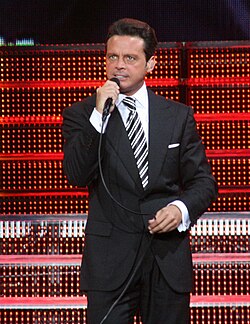
During the 1960s and 1970s, Mexican pop largely consisted of Spanish-language covers of English rock-and-roll hits by artists like Elvis Presley and Nancy Sinatra, performed by singers such as Angélica María and Enrique Guzmán. By 2000, artists like Paulina Rubio and Thalía achieved international "crossover" success with bilingual albums. Luis Miguel, often called the "Latin Frank Sinatra," gained immense acclaim, including a duet with Frank Sinatra for the album Duets II.
The Rise of Mexican Rock and Ska
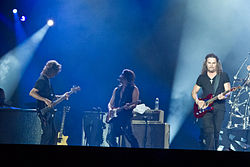
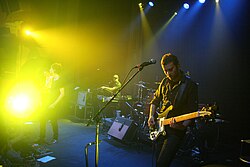
The Mexican rock movement began in the late 1950s. Early pioneers included "Los Nómadas," an ethnically integrated band from East Los Angeles. In the 1960s and 70s, many bands were forced underground following the Avándaro festival, leading to the rise of groups like El Tri. By the 1990s, bands such as Maná and Café Tacuba achieved international stardom.
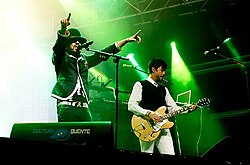
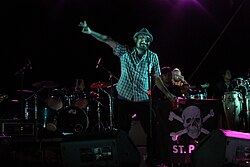
Parallel to rock, Ska entered Mexico in the 1960s. While it began with orchestras and small bands, it evolved into a punk-influenced sound in Mexico City during the late 1980s, with Panteón Rococó becoming a prominent name in the genre.
Romantic and Tropical Rhythms
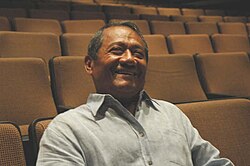
The Bolero served as the foundation for the romantic ballad in Mexico. Composers like Armando Manzanero were pivotal in defining this postwar romantic era. In the tropical sphere, Cumbia became a staple in the 1970s, with Rigo Tovar fusing it with rock and ballads, and Los Ángeles Azules later developing cumbia sonidera, which integrates synthesizers and accordions.
Art Music: Opera and Classical Traditions
Mexico possesses a sophisticated tradition of art music that blends European structures with nationalistic themes.
Opera and the "Mexican Nightingale"
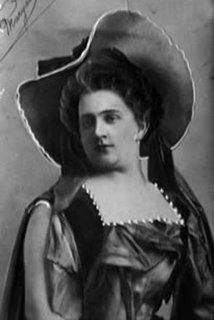
Opera dates back to the colonial period, with Manuel de Zumaya's La Parténope (1711) being one of the earliest works. Over time, Mexican composers began incorporating native melodies and nationalistic themes, such as Aniceto Ortega del Villar’s Guatimotzin. One of the most celebrated figures was Ángela Peralta, known as the "Mexican Nightingale," who achieved international fame in the 19th century.
Classical Music and Jazz
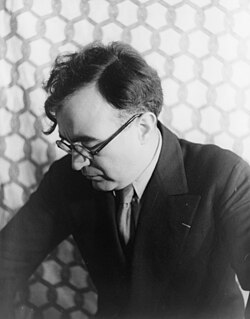
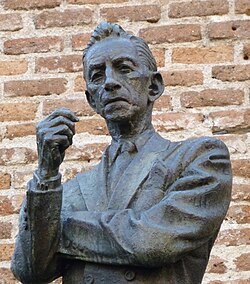
Classical music in Mexico dates to the 16th century. Early centers of composition like Puebla flourished under patrons like Bishop Juan de Palafox y Mendoza. In the 20th century, composers like Carlos Chávez and Silvestre Revueltas fused indigenous and folk elements with modern classical music. Today, prestigious institutions like the OFUNAM and the Orquesta Filarmónica de Jalisco continue this legacy.
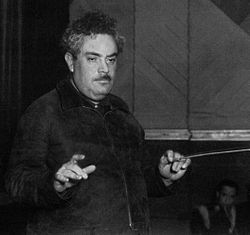
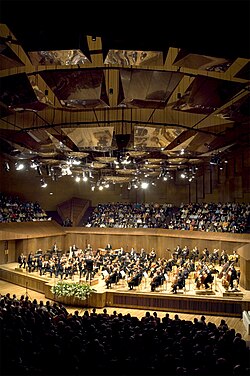
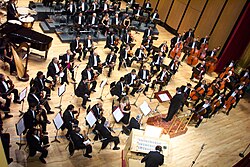
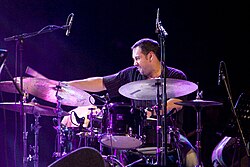
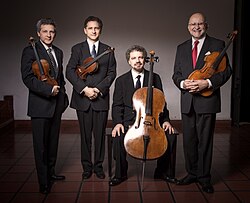
In the realm of jazz and chamber music, artists like Antonio Sánchez and the Cuarteto Latinoamericano have brought Mexican artistry to global stages.
Summary of Traditional Ensembles
| Ensemble | Bowed Strings | Plucked Strings | Winds (Wood/Brass) | Percussion/Other |
|---|---|---|---|---|
| Mariachi | Violin | Guitar, Vihuela, Guitarrón | Trumpet | - |
| Banda | - | - | Clarinet, Sax, Tuba, Trombone, Trumpet | Tambora, Tarola, Cymbals |
| Conjunto Norteño | - | Bajo sexto, Double bass | Saxophone, Accordion | Drums, Tarola, Redoba |
| Conjunto Jarocho | - | Requinto, Jarana, Leona, Harp | - | Pandero octagonal, Marimbol, Quijada |
| Prehispánico | - | - | Ocarina, Caracol, Flute | Huehuetl, Teponaztli, Ayoyotes |
Frequently Asked Questions
![On September 28, 2010, Cristian Castro released the single "La Nave del Olvido" and "Amor, Amor" as part of Viva el Príncipe, his tribute album to José José.[30]](/images/bb/12/bb1289ca0304737a86cacd69ba75437a96c1ad8971c516d5684ef5e079460e73.jpg)
What is the "Capital of Mariachi"?
The city of Guadalajara in the state of Jalisco is known as the "Capital of Mariachi," as the genre originated in the southern part of that state during the 19th century.
Who was the "Mexican Nightingale"?
Ángela Peralta (1845–1883) was a renowned operatic soprano known as the "Mexican Nightingale" for her international acclaim across Europe and Latin America.
How did Ska evolve in Mexico?
Ska arrived in the 1960s via small bands and orchestras. By the late 1980s, it evolved into a punk-influenced sound in Mexico City, reaching peak popularity in the early 2000s.
What defines the sound of Northern Mexican folk music?
Northern folk music is primarily defined by the use of the accordion, the bajo sexto (a Mexican string instrument), the tuba, and the snare drum.
Who are some of the most influential Mexican classical composers?
Key figures include Carlos Chávez and Silvestre Revueltas, both of whom are known for blending modern classical music with indigenous and folk elements.