Metropolitan Opera: A Legacy of Musical Excellence in New York City
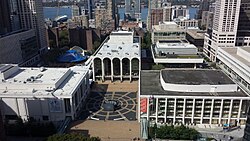
The Metropolitan Opera, known colloquially as the Met, is one of the world's most prestigious opera companies. Based in New York City, the company is currently resident at the Metropolitan Opera House at Lincoln Center on the Upper West Side of Manhattan. Operated by the non-profit Metropolitan Opera Association, the Met continues to be a global beacon for operatic performance, blending centuries-old traditions with cutting-edge technological innovation.
Currently, the company is led by general manager Peter Gelb, with Yannick Nézet-Séguin serving as the music director since 2018.
Key Facts
- Location: Metropolitan Opera House at Lincoln Center, Manhattan, New York City.
- Governance: Operated by the non-profit Metropolitan Opera Association.
- Current Leadership: Peter Gelb (General Manager) and Yannick Nézet-Séguin (Music Director).
- Technological Firsts: Pioneer in radio broadcasts, high-definition cinema simulcasts, and digital streaming.
- Talent Pipeline: Maintains the Lindemann Young Artist Development Program to foster new operatic talent.
A History of Grandeur and Evolution
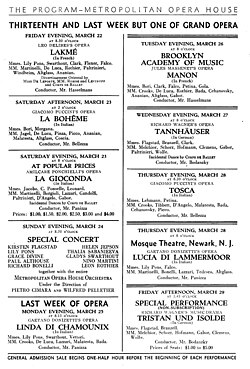
The Met's journey began with its inaugural season in 1883, opening with a performance of Faust. Over the decades, the company expanded its reach, including seasons in Philadelphia and specialized German seasons to cater to diverse musical tastes. One of the most intriguing historical artifacts from its early years are the Mapleson Cylinders, early audio recordings that capture the voices of legendary singers from the late 19th century.
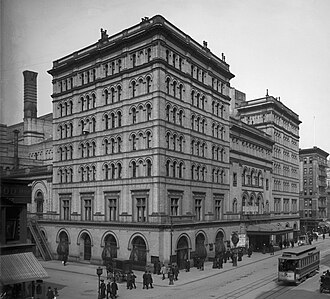
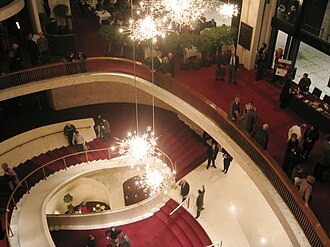
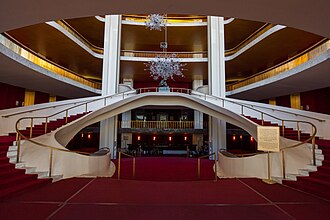
The company has transitioned through several iconic venues. The original Metropolitan Opera House on Broadway served as its home for decades before the company moved to its current state-of-the-art facility at Lincoln Center.
Influential Administrations
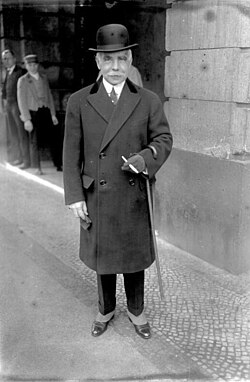
The artistic and operational direction of the Met has been shaped by several key figures. Giulio Gatti-Casazza provided long-term stability and vision, while later leaders like Rudolf Bing and Joseph Volpe navigated the company through the mid-to-late 20th century. In more recent years, Peter Gelb has focused on expanding the Met's global audience through digital media.
Musical Leadership and Conductors
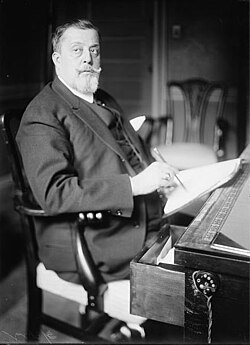
The Met has been a magnet for the world's greatest conductors. From the early leadership of Auguste Vianesi to the transformative tenure of James Levine (Music Director 1976–2016), the podium has seen a succession of maestros who defined the "Met sound."
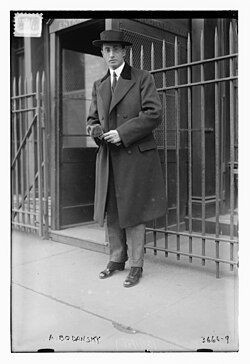
Notable conductors who have left an indelible mark on the company include Arturo Toscanini, Gustav Mahler, and Artur Bodanzky, the latter of whom was a leading conductor for the German repertory.
Leadership Summary Table
| Name | Role | Tenure/Period |
|---|---|---|
| Auguste Vianesi | Musical Director | 1883–1884 |
| Arturo Toscanini | Principal Conductor | 1908–1915 |
| James Levine | Music Director | 1976–2016 |
| Yannick Nézet-Séguin | Music Director | 2018–Present |
Technological Innovation and Accessibility
The Met has consistently sought ways to bring opera to a wider audience. This began with broadcast radio and evolved into television and satellite radio. One of the most significant modern shifts was the introduction of Met Titles (supertitles), which allow audiences to follow the lyrics in English in real-time.
In 2006, the company launched The Met: Live in HD, broadcasting high-definition video of live performances to movie theaters worldwide. This initiative, along with the use of Tessitura software for management and nightly internet streams during the COVID-19 pandemic, has democratized access to high art.
Challenges and Modern Era
Like many large arts organizations, the Met has faced significant hurdles. These include financial volatility, leading to attempts to secure Saudi funding and subsequent layoffs. The company also navigated the complexities of the COVID-19 pandemic, which forced a temporary closure and a shift toward digital-only content before reopening with updated health protocols.
The organization has also dealt with internal controversies, including the dismissal of James Levine following sexual abuse allegations and the departure of soprano Anna Netrebko amidst Russia-Ukraine anti-war activism.
Frequently Asked Questions
Where is the Metropolitan Opera located?
The Met is located at the Metropolitan Opera House at Lincoln Center on the Upper West Side of Manhattan in New York City.
Who is the current music director of the Met?
Yannick Nézet-Séguin has served as the music director since 2018.
What are "Met Titles"?
Met Titles are supertitles—translations of the opera's lyrics projected above the stage—that allow the audience to understand the plot in English regardless of the original language of the performance.
How does the Met reach audiences outside of New York?
The Met uses a variety of methods, including the "Live in HD" cinema simulcasts, radio broadcasts, and internet streaming.
What is the Lindemann Young Artist Development Program?
It is a professional training program designed to help emerging opera singers develop their skills and transition into professional careers.