The Enigmatic History of the Mermaid: From Ancient Myth to Modern Folklore
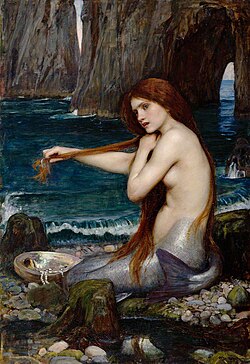
Across nearly every ocean and coastline on Earth, legends of the mermaid—a mythical creature with the upper body of a woman and the tail of a fish—have captivated the human imagination. These water spirits have appeared in the stories of ancient civilizations, the carvings of medieval churches, and the modern cinema of today. While often viewed as beautiful or enchanting, mermaids have also been depicted as omens of prophecy, wise beings, or even dangerous abductors.
Key Facts

- Global Presence: Mermaid legends exist in almost every culture, from Chinese and Japanese folklore to the traditions of the Americas and Africa.
- Diverse Identities: They are variously known as Sirens, Ningyo, Selkies, and many other regional names.
- Scientific Misidentification: Historically, sightings of manatees and dugongs have been a primary rational explanation for mermaid myths.
- Cultural Iconography: Mermaids appear in everything from ancient Middle Eastern coins to modern heraldry and city coats of arms.
Origins and Etymological Roots
![Anthropomorphos―Johannes Jonston Historia naturalis in Latin, 1657[311]](/images/d9/0a/d90a7197fde869b15bb0a48468c8cd79d1d1de10ca97eee98bb1c452120bb25f.jpg)
The concept of the mermaid is deeply rooted in ancient mythology. In many traditions, the distinction between a mermaid and a siren—originally Greek creatures that lured sailors with song—has become blurred over centuries of storytelling. In medieval bestiaries (books describing animals, both real and imaginary), sirens were often depicted as the precursors to the modern mermaid imagery we recognize today.
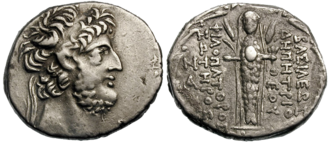
In ancient Middle Eastern mythology, figures like the Kulullû and various Syrian mermaid goddesses provided early templates for aquatic humanoids. Even in the ancient world, these beings were immortalized on currency, such as coins depicting the goddess Atargatis with fish-like features.
Medieval and Germanic Traditions
During the Middle Ages, merfolk became staples of European literature. Germanic literature, including works like the Nibelungenlied, featured merwomen, while Scandinavian folklore introduced creatures like the margýgr. These beings were often tied to the unpredictable nature of the sea, serving as symbols of both beauty and peril.
![The margýgr vs. St. Olaf[w]―Flateyjarbk fol. 79r[182]](/images/5e/40/5e4058a3cddfd460d4b0e7a65b68297eba7cded061dba00075bb3096e30e53a4.jpg)
Global Folklore: A World of Water Spirits
The mermaid is not a monolith; her character changes depending on the shores she inhabits. This diversity is one of the most fascinating aspects of her legend.
Asia and the Pacific
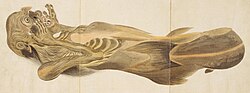
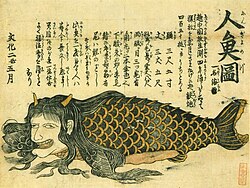
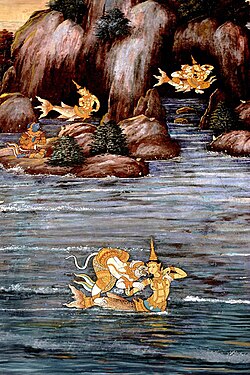
In East Asian folklore, the Japanese Ningyo and Chinese Renyu represent distinct aquatic beings. In Japan, the Ningyo has been a subject of various sketches and flyers throughout history. In Southeast Asia, legends range from the Indonesian and Philippine traditions to the beautiful murals found in Thai temples, such as the depiction of Suvannamaccha.
The Americas and Africa
Folklore in the Americas includes the Iara and Ipupiara of Brazil, as well as various legends across North America. In Africa, mermaid stories are woven into the cultural fabric of many coastal communities, often serving as cautionary tales or spiritual guides.
The Intersection of Myth and Science
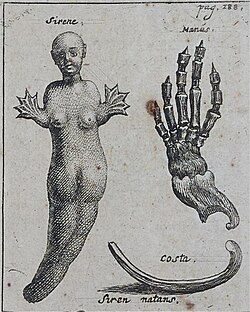
For centuries, sailors reported sightings of mermaids, leading to a long history of "reported sightings" during the Age of Exploration. However, modern science offers a more grounded explanation: many of these encounters were likely sightings of dugongs or manatees. These marine mammals, when viewed from a distance, can appear to have human-like movements.
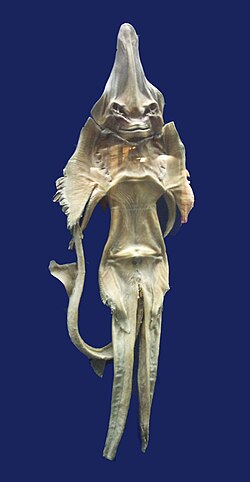
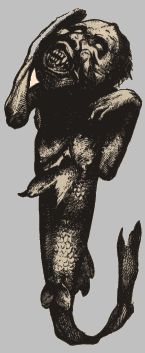
The history of "manufactured" merfolk is also significant. In the 19th century, famous showmen like P.T. Barnum exhibited "specimens" that were actually hoaxes—often nothing more than the sewn-together remains of different animals. These exhibitions played a massive role in shaping the public's fascination with the "impossible" creature.
Scientific Inquiry and Skepticism
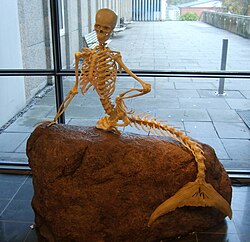
While biological mermaids do not exist, the study of these myths provides insight into human psychology and maritime history. Skeptics and scientists have long pointed out the physical impossibility of such creatures, yet the cultural impact of the mermaid remains undiminished.
Mermaids in Art and Culture
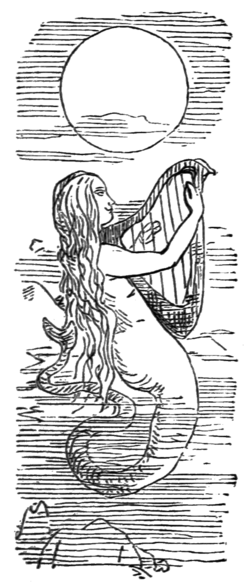
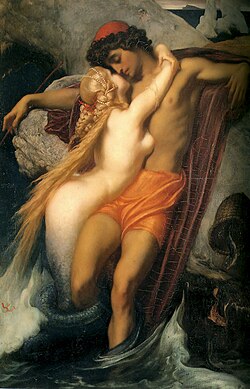
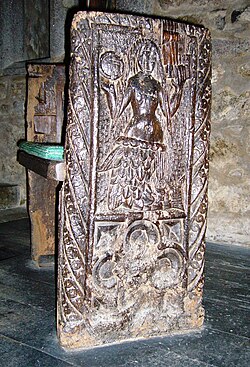
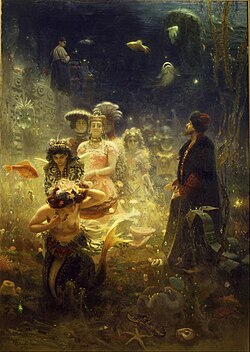
From the delicate paintings of the 19th century to modern motion pictures, the mermaid remains a powerful artistic muse. She has been depicted in sculptures, such as the famous statue in Copenhagen, and in intricate wood carvings found in coastal villages.
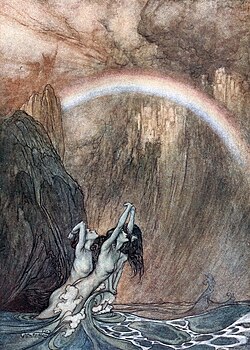
In literature and film, the mermaid has evolved from a terrifying siren to the sympathetic protagonist seen in modern fairy tales. This evolution reflects changing societal views on femininity, nature, and the unknown.
Summary of Mermaid Variations

| Region | Common Name/Type | Typical Characteristics |
|---|---|---|
| Greece | Siren | Often associated with song and danger to sailors. |
| Japan | Ningyo | Varying depictions, sometimes more fish-like than human. |
| Scandinavia | Margýgr / Havfrue | Water spirits often tied to local folklore. |
| Brazil | Iara | A prominent figure in South American folklore. |
| Europe (General) | Mermaid / Merwoman | Human torso with a fish tail; often seen in art and heraldry. |
Frequently Asked Questions
What is the difference between a mermaid and a siren?
In ancient Greek mythology, Sirens were originally bird-women who lured sailors with their voices. Over time, especially in medieval literature, the concept of the Siren merged with the mermaid, leading to the modern image of a woman with a fish tail.
Why did people believe they saw mermaids at sea?
Many historical "sightings" were likely misidentifications of marine mammals, specifically dugongs and manatees. These animals can appear vaguely human-like when viewed from a distance or in low light.
Are there real mermaid specimens in museums?
No biological mermaids exist. Most "specimens" found in historical collections, such as the famous Fiji mermaid, were hoaxes created by joining different animal parts together for exhibition.
How are mermaids used in heraldry?
Mermaids are used as symbols in heraldry (the design of coats of arms) for various regions and cities, representing a connection to the sea or maritime heritage, such as in the arms of Warsaw or the Päijät-Häme region in Finland.
What are some famous mermaid stories?
Some of the most famous include the Danish tale of The Little Mermaid, various legends from the One Thousand and One Nights, and diverse folklore from the Japanese and Chinese traditions.