Menendez Brothers: The Case of Lyle and Erik Menendez
The case of Lyle and Erik Menendez remains one of the most sensationalized criminal proceedings in American history. What began as a shocking double homicide in a wealthy Beverly Hills neighborhood evolved into a complex legal battle involving allegations of abuse, family dysfunction, and the pursuit of justice. Decades after the events, the case continues to capture public attention through new evidence and modern dramatizations.
Key Facts
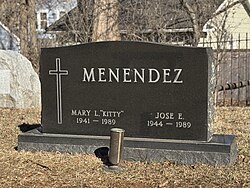
- Victims: José Enrique Menendez (45) and Mary Louise "Kitty" Menendez (47).
- Date of Crime: August 20, 1989.
- Weapon Used: Mossberg 12-gauge shotgun.
- Convictions: Two counts of first-degree murder with special circumstances and conspiracy to commit murder.
- Current Status: Both brothers are incarcerated at the Richard J. Donovan Correctional Facility in San Diego County, California.
The Crime and Initial Investigation
On August 20, 1989, José and Kitty Menendez were killed in their home. The investigation eventually led to their sons, Lyle (born January 10, 1968) and Erik (born November 27, 1970). Lyle had previously attended Princeton University before dropping out, while both brothers eventually earned Bachelor of Arts degrees from the University of California, Irvine.
The brothers were apprehended in early 1990, with Lyle being arrested on March 8 and Erik on March 11. The investigation revealed that the brothers had used a Mossberg 12-gauge shotgun to carry out the killings.
Legal Battles and Trials
The path to conviction was long and fraught with legal disputes. The brothers faced multiple trials between 1993 and 1996. The first trial (1993–1994) ended without a clear resolution, leading to a second trial (1995–1996). During these proceedings, the defense focused heavily on the brothers' claims of long-term abuse.
Ultimately, both brothers were convicted of first-degree murder and conspiracy. They were sentenced to life in prison without the possibility of parole, though they have since filed various appeals to challenge these sentences.
Recently, the case has seen a resurgence in legal activity. In 2024, the Los Angeles District Attorney recommended resentencing based on new evidence, including claims from other individuals regarding the conduct of José Menendez.
Personal Lives and Cultural Impact
Despite their incarceration, both brothers have entered into marriages. Erik married Tammi Saccoman in 1999. Lyle married Anna Eriksson in 1996 (divorced in 2001) and Rebecca Sneed in 2003 (separated in 2024).
The Menendez case has become a staple of popular culture, inspiring numerous documentaries, books, and dramatizations. From the early reporting by Dominick Dunne to modern Netflix series, the narrative continues to be re-examined by the public and legal experts alike.
Case Summary Table
| Detail | Lyle Menendez | Erik Menendez |
|---|---|---|
| Date of Birth | January 10, 1968 | November 27, 1970 |
| Education | Princeton (dropout), UC Irvine (BA) | UC Irvine (BA) |
| Arrest Date | March 8, 1990 | March 11, 1990 |
| Conviction | 1st Degree Murder & Conspiracy | 1st Degree Murder & Conspiracy |
| Current Facility | Richard J. Donovan Correctional Facility | Richard J. Donovan Correctional Facility |
Frequently Asked Questions
Who were the victims in the Menendez case?
The victims were José Enrique Menendez, aged 45, and Mary Louise "Kitty" Menendez, aged 47, the parents of Lyle and Erik Menendez.
What weapon was used in the murders?
The brothers used a Mossberg 12-gauge shotgun to kill their parents on August 20, 1989.
Where are Lyle and Erik Menendez currently located?
Both brothers are currently serving their sentences at the Richard J. Donovan Correctional Facility in San Diego County, California.
Have the brothers been married while in prison?
Yes. Erik Menendez married Tammi Saccoman in 1999. Lyle Menendez married Anna Eriksson in 1996 and later Rebecca Sneed in 2003.
Is there a possibility of resentencing for the brothers?
Yes, as of late 2024, the Los Angeles District Attorney has recommended resentencing following the review of new evidence.