Understanding Memorials: Honoring People, Events, and Legacies
A memorial is an object or a specific location designed to serve as a focal point for memory. Whether commemorating an influential person who has passed away or marking a significant historical event, memorials allow society to preserve a connection to the past. These tributes can range from small, personal gestures to massive, landscape-altering structures.
Common Forms of Memorialization
Memorials take many shapes depending on their purpose, the scale of the subject being honored, and the resources available. When a memorial reaches a significant scale, it is often referred to as a monument.
Physical Landmarks and Art
Many memorials are integrated into the environment through works of art or permanent structures. Common examples include:
- Sculptures and statues
- Fountains
- Parks and commemorative landscapes
- Homes or specific historical sites
Traditional and Religious Tributes
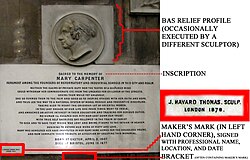
The most frequent forms of memorialization are found in cemeteries or public spaces. These include gravestones and memorial plaques. In religious contexts, memorials may take the form of a cross, specifically known as an intending cross. War memorials are also a widespread tradition, created to honor those who lost their lives in military conflicts.
Diverse Approaches to Commemoration
As technology and social customs evolve, the way we remember the deceased has expanded beyond stone and bronze. Modern memorialization can be digital, charitable, or even academic.
Digital and Grassroots Memorials
Online memorials are increasingly common, utilizing websites and social media to provide digital access to a person's memory. This is often a practical alternative when physical memorials are difficult to visit or maintain.
On a more personal or community level, grassroots memorials may emerge. These are often temporary or makeshift tributes. Examples include:
- Planting a tree in memory of a loved one.
- Making memorial gifts (usually monetary donations) to a designated charity.
- Homemade tributes, such as photo cut-outs or roadside markers.
Institutional and National Tributes
When a person or event holds immense historical weight, they may be honored through national memorials. These are recognized at a country-wide level. Furthermore, in academic settings, the death of a student may be commemorated through a scholarship, providing financial support to high-achieving students in the future.
Key Facts
- Monuments: Large-scale memorials.
- Intending Crosses: Memorials specifically shaped as crosses.
- Grassroots Memorials: Temporary or makeshift tributes, such as planting trees or charitable donations.
- National Memorials: Tributes dedicated to persons or events of major national significance.
- Online Memorials: Digital tributes used to increase accessibility.
Summary of Memorial Types
| Type | Common Examples | Primary Purpose |
|---|---|---|
| Physical/Artistic | Statues, fountains, parks, monuments | Permanent public commemoration |
| Traditional | Gravestones, plaques, intending crosses | Individual or religious remembrance |
| Grassroots | Commemorative trees, charity gifts | Personal or community-led tributes |
| Digital | Websites, social media pages | Accessible, remote remembrance |
| Institutional | Scholarships, national monuments |
Frequently Asked Questions
What is the difference between a memorial and a monument?
While the terms are related, a memorial is a general term for any object or place used for commemoration. A monument is typically a larger, more substantial structure.
What are grassroots memorials?
Grassroots memorials are temporary or makeshift tributes. They are often organized by individuals or small groups rather than official institutions, such as planting a tree or making a donation to a charity.
How are online memorials useful?
Online memorials provide digital access to the memory of a person. They are particularly useful when physical memorials are not easily accessible to friends, family, or the public.
What is an intending cross?
An intending cross is a specific type of memorial that takes the form of a cross.
Can a scholarship be considered a memorial?
Yes. When a student passes away, a scholarship can be established in their name to award high-achieving students, serving as a way to honor their legacy through education.