Mary Oneida Toups: The Witch Queen of New Orleans
In the mystical atmosphere of the French Quarter, few figures loom as large in the city's occult history as Mary Oneida Toups. Known widely as the "Witch Queen of New Orleans," Toups was not merely a practitioner of the craft but a pioneer who sought to legitimize witchcraft as a formal religious practice in the state of Louisiana.
Born on April 25, 1928, in Meridian, Mississippi, to Arthur Hodgin and Mary Ellen Killing, Toups eventually relocated to New Orleans in 1968. It was here that she would build her legacy as an occultist, writer, and entrepreneur. She married Albert Toups, a Cajun and high-ranking Freemason who operated a bar on Decatur Street, further embedding her into the unique social and spiritual fabric of the city.
Key Facts
- Title: Known as the "Witch Queen of New Orleans."
- Major Achievement: Founded the Religious Order of Witchcraft, the first coven chartered as an official religious organization in Louisiana.
- Publication: Authored the instructional occult book Magick High and Low in 1975.
- Business: Operated two witchcraft shops within the French Quarter.
- Practice: Specialized in Western ceremonial magic rather than Voodoo or Hoodoo.
The Religious Order of Witchcraft
On February 2, 1972, Mary Oneida Toups achieved a significant legal and spiritual milestone by chartering the Religious Order of Witchcraft. This established the first coven in Louisiana to be registered as an official religious organization, providing a formal structure for her practice and followers.
Unlike many of the spiritual traditions associated with New Orleans, such as Voodoo or Hoodoo (Afro-Caribbean rooted practices), Toups focused on Western ceremonial magic. This tradition emphasizes ritual, symbolic action, and the use of specific tools to achieve spiritual or material goals.
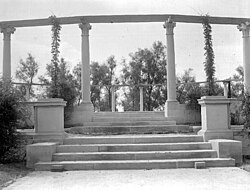
The order frequently held gatherings at a specific landmark in the city's greenery to conduct their rites.
Public Life and Entrepreneurship
Toups was a visible presence in the French Quarter. On September 1, 1970, she opened her first witchcraft shop, eventually expanding to run two such stores in the historic district. Her public profile grew in 1972 when she caught the attention of writer Howard Jacobs. After she publicly defended the practice of witchcraft—which had been unfairly blamed for a murder in Opelousas—Jacobs featured her in his column, Remoulade.
Beyond her business ventures, Toups shared her knowledge through writing. In 1975, she published Magick High and Low, an instructional text designed to guide others in the ways of the occult.
| Category | Details |
|---|---|
| Lifespan | April 25, 1928 – September 1981 |
| Primary Location | New Orleans, Louisiana |
| Organization | Religious Order of Witchcraft (est. 1972) |
| Notable Work | Magick High and Low (1975) |
| Cause of Death | Stomach Cancer |
Legacy and Cultural Influence
Mary Oneida Toups passed away in September 1981 at the age of 53 due to stomach cancer. However, her influence persisted in literature and popular culture. She is mentioned in Brad Steiger's Real Zombies, the Living Dead, and Creatures of the Apocalypse, as well as in the 1994 memoir Under A Hoodoo Moon: The Life of the Night Tripper.
Her impact even reached modern television. In the premiere episode of American Horror Story: Coven, titled "Bitchcraft," the character Fiona Goode references Toups and her coven's history of practicing witchcraft at Popp Fountain in City Park.
Frequently Asked Questions
Was Mary Oneida Toups a Voodoo practitioner?
No. While she operated in New Orleans, a city famous for Voodoo and Hoodoo, Toups practiced Western ceremonial magic, which is a distinct tradition from Afro-Caribbean rooted practices.
What was the significance of the Religious Order of Witchcraft?
It was the first coven to be chartered as an official religious organization within the state of Louisiana, providing legal and religious recognition to the practice.
Did Mary Oneida Toups write any books?
Yes, she published an instructional occultist book titled Magick High and Low in 1975.
Where did Toups' coven typically meet?
The Religious Order of Witchcraft often gathered at Popp Fountain in New Orleans' City Park.
How did Toups become known to the general public?
She gained public attention through her witchcraft shops in the French Quarter and after defending witchcraft in a column by Howard Jacobs following a murder case in Opelousas.