Marquesses of Aberdeen and Temair: A History of the Gordon Family
The history of the Gordon family is a sweeping narrative of political ascent, diplomatic service, and resilience. From their early days as Royalists in the 17th century to their roles as Prime Ministers and Governors General, the family has remained a cornerstone of the British and Scottish aristocracy. Based at their ancestral seat, Haddo House in Aberdeenshire, the lineage has evolved through several distinct titles, reflecting their growing influence within the Peerage.
The Baronetcy of Haddo
The family's formal titled history began with John Gordon, a Royalist who fought against the Covenanters during the Civil War. In 1642, he was created a baronet of Haddo in the County of Aberdeen within the Baronetage of Nova Scotia. However, his tenure was marked by turmoil; in 1644, he was found guilty of treason and beheaded, leading to the forfeiture of his baronetcy. The title was eventually restored following the Restoration for his son, the second Baronet.
The Rise to the Earldom of Aberdeen
The family's status grew significantly under the third Baronet, who succeeded his brother. A distinguished advocate, he served as the Lord Chancellor of Scotland and Lord President of the Court of Session. On November 30, 1682, he was elevated to the Peerage of Scotland as the Earl of Aberdeen, as well as Lord Haddo, Methlick, Tarves, and Kellie, and Viscount of Formartine.
Subsequent Earls continued to maintain the family's presence in governance. The second Earl served as a Scottish representative peer from 1721 to 1727, while the third Earl held a similar role across two periods between 1747 and 1790.
Lord Aberdeen: Prime Minister and Diplomat
The fourth Earl marked a pinnacle of the family's political influence. On June 1, 1814, he was created Viscount Gordon in the Peerage of the United Kingdom, granting him an automatic seat in the House of Lords. A renowned statesman and diplomat, he served as Foreign Secretary during two separate terms (1828–1830 and 1841–1846) and eventually served as the Prime Minister of the United Kingdom from 1852 to 1855.
Lord Aberdeen's personal life also saw the integration of other noble lines; after marrying Lady Catherine Elizabeth, daughter of the 1st Marquess of Abercorn, he assumed the additional surname of Hamilton by Royal licence in 1818.
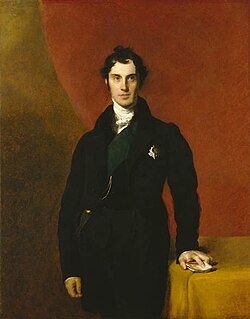
Following the fourth Earl, the title passed to the fifth Earl, a Liberal MP for Aberdeenshire, and then to the sixth Earl, a sailor and adventurer who tragically drowned off the American coast in 1870 without heirs.
The Marquessate of Aberdeen and Temair
The seventh Earl, John Hamilton-Gordon, further elevated the family's rank. A prominent Liberal politician, he served as the Governor General of Canada (1893–1898) and twice as the Lord-Lieutenant of Ireland. In recognition of his service, he was created the Marquess of Aberdeen and Temair and the Earl of Haddo on January 4, 1916.
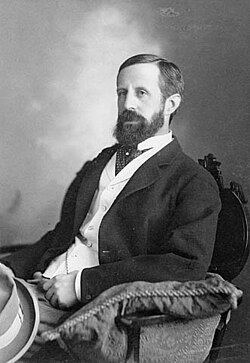
The Marquessate has since passed through several successors: the second Marquess served as Lord-Lieutenant of Aberdeenshire; the third was President of the Federation of British Industries; the fourth was a member of the Aberdeenshire County Council; the fifth was a BBC broadcaster; and the sixth served as Chairman of The Arts Club. As of 2020, the title is held by George Gordon, the eighth Marquess of Aberdeen and Temair.
Key Facts
- Family Seat: Haddo House, Aberdeenshire.
- Highest Political Office: Prime Minister of the United Kingdom (4th Earl, 1852–1855).
- Key Titles: Baronetcy of Haddo, Earldom of Aberdeen, and Marquessate of Aberdeen and Temair.
- International Service: Governor General of Canada and Lord-Lieutenant of Ireland.
- Lineage Connection: Related to the Marquesses of Huntly through Sir John Gordon of Strathbogie.
Distinguished Family Members
Beyond the primary title holders, the Gordon family produced numerous figures of note in military and judicial spheres:
- Military Leaders: General William Gordon, Colonel Cosmo Gordon, and Vice-Admiral William Gordon.
- Judiciary: The Hon. Alexander Gordon, who served as a Lord of Session under the title Lord Rockville.
- Diplomacy: The Hon. Sir Robert Gordon, who served as the British Ambassador to Austria.
- Philanthropy: Ishbel Hamilton-Gordon, Marchioness of Aberdeen and Temair, who was a noted author and advocate for women's interests.
| Title | Origin Date | Peerage | Notable Holder |
|---|---|---|---|
| Baronet of Haddo | 1642 | Nova Scotia | Sir John Gordon |
| Earl of Aberdeen | 1682 | Scotland | 3rd Baronet |
| Viscount Gordon | 1814 | United Kingdom | 4th Earl |
| Marquess of Aberdeen and Temair | 1916 | United Kingdom | John Hamilton-Gordon |
Frequently Asked Questions
Who was the most politically prominent member of the family?
The fourth Earl of Aberdeen was the most prominent, serving as both the Foreign Secretary and the Prime Minister of the United Kingdom between 1852 and 1855.
What is the current status of the Marquessate?
As of 2020, the title of Marquess of Aberdeen and Temair is held by George Gordon, the eighth Marquess.
Where is the family's ancestral home located?
The family seat is Haddo House, located in Aberdeenshire.
How did the family acquire the name Hamilton?
The fourth Earl assumed the additional surname of Hamilton in 1818 by Royal licence following his marriage to Lady Catherine Elizabeth, daughter of the 1st Marquess of Abercorn.
What are the courtesy titles used by the heirs?
The eldest son and heir of the Marquess uses the courtesy title Earl of Haddo, and his eldest son uses the courtesy title Viscount of Formartine.