Major Rank in the United States Military: History, Insignia, and Roles
In the hierarchy of the United States Armed Forces, the rank of major represents a significant transition from junior to senior leadership. As a field grade officer, a major holds a position of authority that bridges the gap between company-level leadership and high-level strategic command. While the specific duties and visual symbols of the rank vary across the Army, Marine Corps, Air Force, and Space Force, the core essence of the role remains consistent: providing essential staff expertise and operational leadership.
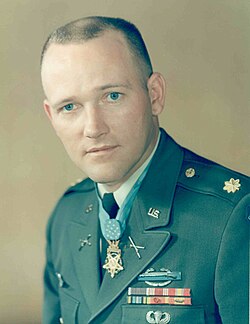
Key Facts
- Pay Grade: O-4
- NATO Rank Code: OF-3
- Rank Group: Field Grade Officer
- Insignia: Typically a golden oak leaf
- Equivalent Rank: Lieutenant Commander (U.S. Navy and Coast Guard)
- Next Higher Rank: Lieutenant Colonel
- Next Lower Rank: Captain
Understanding the Major Rank Across Services
The rank of major is recognized across several branches of the U.S. military, though the abbreviation used can differ. In the Army, the abbreviation is MAJ, while the Marine Corps, Air Force, and Space Force use Maj.
U.S. Army
In the U.S. Army, majors are vital to the operational success of a unit. They frequently serve as a battalion executive officer (XO) or as the battalion operations officer (S3). Beyond these roles, they may command companies, act as primary staff officers for regiments or brigades, or manage specialized units such as Special Forces, Civil Affairs, or Military Intelligence companies.
To prepare for these responsibilities, selected Army majors attend the Command and General Staff School at Fort Leavenworth. This intensive 10-month program is designed to equip officers with the advanced leadership skills required for field grade service.
U.S. Marine Corps
Within the Marine Corps, a major is a commissioned officer who often serves as a battalion executive officer, a weapons company commander, or a member of a regimental or brigade staff. Interestingly, the Marine Corps insignia is styled to resemble a southern live oak leaf, reminiscent of the trees grown in the Naval Live Oaks Reservation during the 19th century.

U.S. Air Force and Space Force
In the Air Force, majors typically function as senior staff officers at the squadron and wing levels. In flying squadrons, they often serve as flight commanders or assistant directors of operations. In the Space Force, the role is similar, with majors serving as senior staff officers at the squadron and delta levels.

Historical Evolution of the Rank
The concept of the major has evolved significantly through American military history, from the Continental Army to the modern era.
The American Revolution and Civil War
During the American Revolution, the major was the third in command of a regiment. Theoretically, they would command one of a regiment's two battalions if divided for tactical purposes. In practice, they often served as the executive officer, managing the daily discipline and drill of the camp.
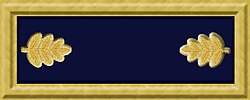
During the American Civil War, the Union Army maintained traditional insignia on shoulder straps. However, the Confederate Army adopted a different system, placing rank insignia on the collar. Confederate field grade officers wore three gold stars, while general officers wore three stars surrounded by a wreath.
Post-Civil War Reorganization
In the late 1800s, the Army transitioned from ten-company regiments to twelve-company regiments organized into three battalions, each led by a major. Following World War I, the command of battalions shifted to lieutenant colonels, which changed the availability of major command positions. Today, while many battalion commands are held by lieutenant colonels, majors continue to lead critical Medical, Special Forces, and Aviation companies.
Summary of Rank Comparison
| Service Branch | Abbreviation | Typical Role | Insignia Style |
|---|---|---|---|
| U.S. Army | MAJ | Battalion XO / Operations Officer | Stylized gold oak leaf |
| U.S. Marine Corps | Maj | Battalion XO / Weapons Company Commander | Southern live oak leaf |
| U.S. Air Force | Maj | Senior Staff Officer / Flight Commander | Stylized gold oak leaf |
| U.S. Space Force | Maj | Senior Staff Officer (Squadron/Delta) | Stylized gold oak leaf |
Frequently Asked Questions
What is the pay grade for a major?
The pay grade for the rank of major in the United States military is O-4.
Is a major a senior officer?
Yes, in the Army, Marine Corps, Air Force, and Space Force, a major is considered a field grade officer, which is a senior officer rank above captain.
How does a major rank compare to the Navy?
The rank of major is equivalent to the rank of lieutenant commander in the U.S. Navy and U.S. Coast Guard.
What does the major's insignia represent?
The insignia is a golden oak leaf. While the Army and Air Force use a stylized version, the Marine Corps insignia is modeled after the southern live oak leaf.
What are the primary duties of an Army major?
Army majors often serve as battalion executive officers, operations officers (S3), or company commanders, and they frequently serve as staff officers for higher headquarters in areas like logistics, intelligence, and personnel.