Madrid: The Vibrant Heart of Spain
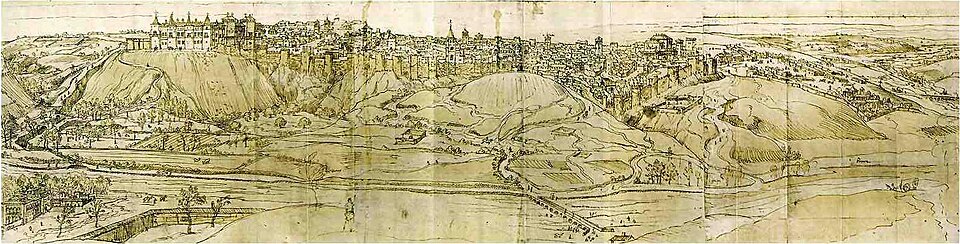
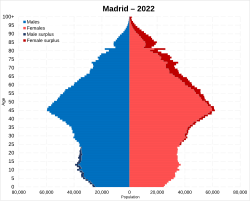
Madrid, the sprawling capital and largest municipality of Spain, stands as a global center of art, politics, and commerce. Founded in the 9th century, the city has evolved from a modest fortress into a cosmopolitan metropolis that serves as the administrative and economic engine of the country. With a population of approximately 3.48 million within the municipality and over 6.1 million in its metro area, Madrid is the first-ranked city in Spain and the second-most populous in the European Union.
The city is characterized by its blend of historic grandeur and modern innovation, from the cobblestone streets of the old town to the towering skyscrapers of the financial district. Its strategic location in the center of the Iberian Peninsula makes it the most important transport node in Spain, connecting the nation to the rest of Europe and the world.
Key Facts
- Population: 3,477,497 (Municipality, 2025)
- GDP: €316.242 billion (Metro area, 2024)
- Elevation: 660 meters (2,170 ft)
- HDI: 0.940 (Very High, ranked 1st)
- Administrative Division: 21 districts and 131 neighborhoods (barrios)
- Main Festivity: Feast of Saint Isidore
Historical Evolution
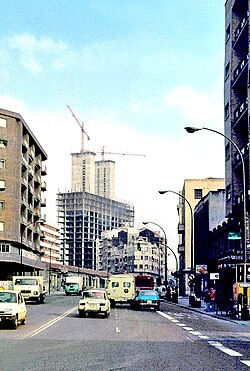
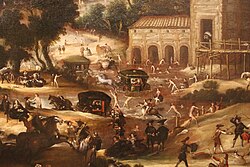
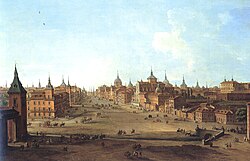
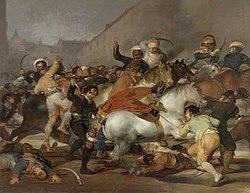
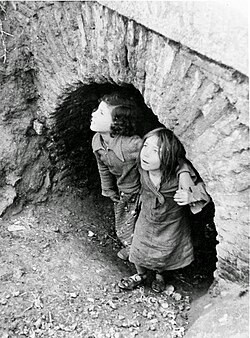
Madrid's history is a reflection of Spain's own trajectory. After its 9th-century origins, the city grew through the Middle Ages and the Early Modern Era, eventually becoming the capital of the Liberal State. The 20th century brought significant upheaval, including the Second Republic and the devastating Spanish Civil War, followed by the Francoist dictatorship.
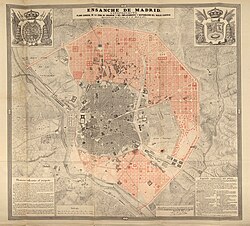
The city's urban landscape was transformed during the 18th century with the construction of the Royal Palace and the expansion of the Calle de Alcalá. Later, the 19th-century Ensanche (urban expansion) allowed the city to grow beyond its medieval walls, creating the organized grid patterns seen in many modern districts.
Geography and Climate
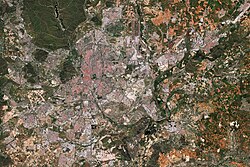
Located on a high plateau, Madrid experiences a continental climate characterized by hot, dry summers and cold winters. The city is traversed by the Manzanares River and is surrounded by a network of parks and forests that provide essential green space for its residents.
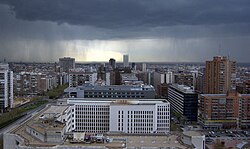
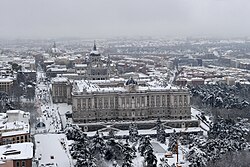
Weather extremes are notable, with record highs reaching above 42°C in the summer and record lows dropping to -15.2°C at the Barajas Airport. Precipitation is generally low, peaking in the autumn months of October and November.
Climate Summary Table
| Metric | Winter (Jan) | Summer (Jul) | Annual Average |
|---|---|---|---|
| Mean Daily Max (°C) | 10.0 | 32.8 | 20.3 |
| Daily Mean (°C) | 6.5 | 26.2 | 15.4 |
| Mean Daily Min (°C) | 3.0 | 19.5 | 10.4 |
| Precipitation (mm) | 32.0 | 9.0 | 416 |
Governance and Administration
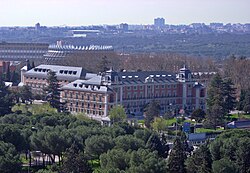
Madrid is governed by the Ayuntamiento (City Council), currently led by Mayor José Luis Martínez-Almeida. As both the national capital and the regional capital of the Community of Madrid, it houses the Moncloa Palace, the seat of the President of the Government of Spain.
The city is divided into 21 administrative districts. The most populous include Carabanchel and Fuencarral-El Pardo, while the Centro district remains the cultural and tourist heart of the city.
Economy and Infrastructure

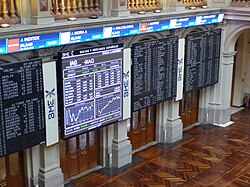
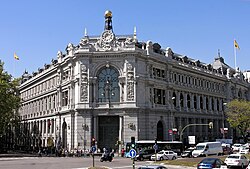
Madrid is a powerhouse of the Spanish economy, with a metro GDP of €316.242 billion as of 2024. The economy is diversified across services, industry, and construction. It is a major hub for finance, hosting the Madrid Stock Exchange and the headquarters of the Bank of Spain.
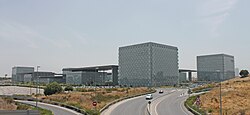
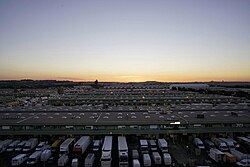
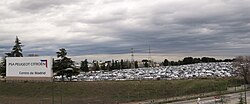
Industrial activity is concentrated in areas like the Villaverde district, which hosts the PSA Peugeot Citroën plant, and the massive Mercamadrid wholesale market in the south-east.
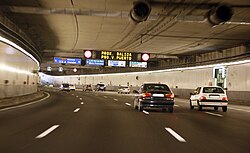
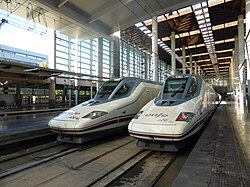
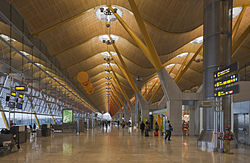
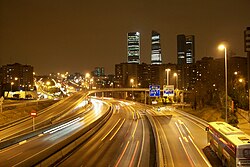
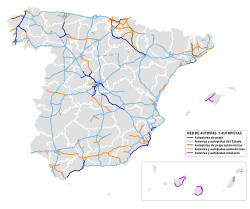
The city's infrastructure is world-class, featuring the Madrid-Barajas Airport (T4) and the AVE high-speed rail network at Atocha station. The road network is centered around the M-30 orbital road and a series of radial highways.
Culture, Arts, and Lifestyle
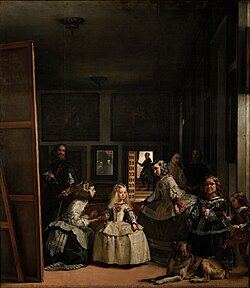
Madrid is globally renowned for its "Golden Triangle of Art," which includes the Prado Museum, the Queen Sofía National Museum, and the Thyssen-Bornemisza Museum. These institutions house masterpieces such as Velázquez's Las Meninas.
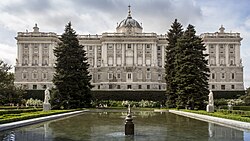
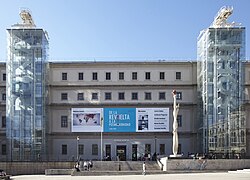
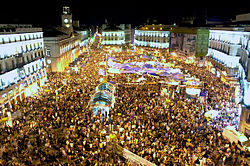
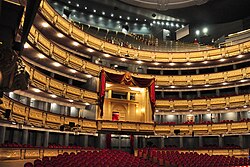
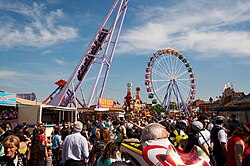
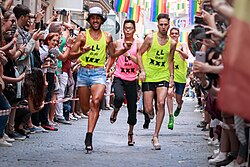
Beyond the museums, the city offers a rich tapestry of entertainment, from the opera at the Teatro Real to the vibrant nightlife of the Malasaña and Centro districts. Traditional festivities, such as the Feast of Saint Isidore and WorldPride, highlight the city's diverse social fabric.
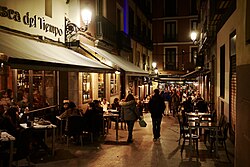
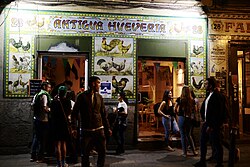
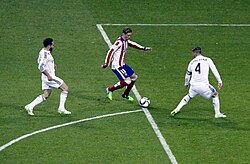
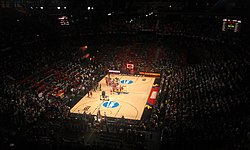
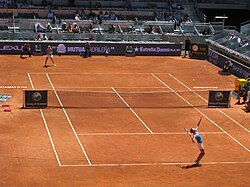
Sport is an integral part of life in Madrid, dominated by the fierce rivalry of the Madrid Derby between Real Madrid and Atlético Madrid. The city also hosts international events like the Madrid Open and the FIBA Basketball World Cup.
Education and International Relations
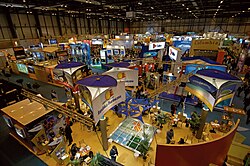
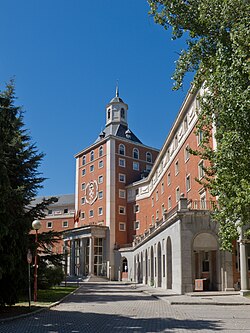
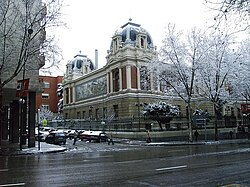
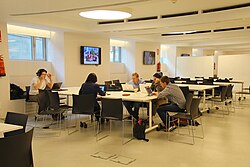
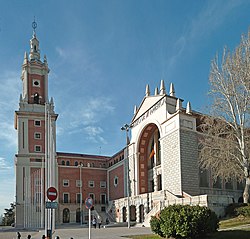
Madrid is a leading educational hub, home to the Complutense University of Madrid, the Technical University of Madrid, and prestigious institutions like the IE Business School.
Internationally, Madrid maintains strong ties through sister city agreements with global capitals such as Tokyo, New York, and Seoul, and is a key member of the Union of Ibero-American Capital Cities.
Frequently Asked Questions
What is the population of Madrid?
As of 2025, the population of the capital city and municipality is 3,477,497, while the wider metropolitan area reaches approximately 6,125,583 residents.
What are the main museums in Madrid?
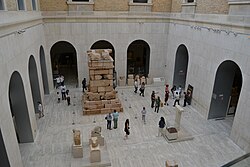
The city is famous for the Prado Museum, the Queen Sofía National Museum, and the National Archaeological Museum (MAN), among others.
What is the climate like in Madrid?
Madrid has a continental climate with very hot summers (often exceeding 30°C) and cold winters, with average January temperatures around 6.5°C.
How is Madrid administratively organized?
The city is divided into 21 districts, which are further subdivided into 131 neighborhoods known as barrios.
Which major transport hubs serve the city?
The primary hubs are the Madrid-Barajas Airport for air travel and the Madrid Atocha station for high-speed AVE trains.