Loudoun County, Virginia: A Profile of Economic Prosperity and Rich History
Located in the northern part of the Commonwealth of Virginia, Loudoun County stands as a prominent pillar of the Washington–Arlington–Alexandria metropolitan area. Known for its unique blend of rapid economic growth and deep-rooted historical significance, the county has evolved from its 18th-century origins into one of the most affluent regions in the United States.
With its county seat in Leesburg, Loudoun County serves as a vital hub for both commerce and culture. As of the 2020 census, the county recorded a population of 420,959, making it the third-most populous county in Virginia. Today, it continues to experience significant demographic shifts and economic expansion.
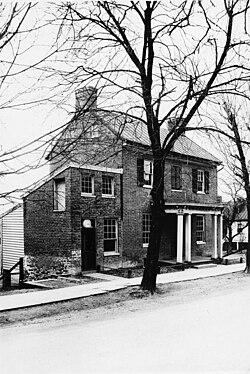
Key Facts
- Founded: 1757, named after John Campbell, 4th Earl of Loudoun.
- County Seat: Leesburg.
- Economic Milestone: Holds the highest median household income in the United States as of 2023 ($156,821).
- Population: 420,959 (2020 Census); estimated 449,749 by 2025.
- Geography: Total area of 521.33 square miles.
- Motto: "I Byde My Time".
Geography and Location
Loudoun County is situated in Northern Virginia, bordered by Fairfax County to the east and Prince William County to the southeast. To the south lies Fauquier County, while the western borders meet Clarke County and Jefferson County, West Virginia. To the north, the county is adjacent to Maryland counties including Washington, Frederick, and Montgomery.
The landscape is a mix of land and water, with water accounting for approximately 1.1% of its total area. The region is also home to the Harpers Ferry National Historical Park, a significant national protected area.

A Journey Through History
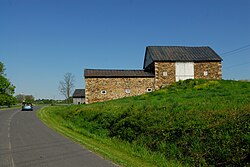
The history of Loudoun County spans several centuries, beginning with its founding in 1757. In the 19th century, the region was a major agricultural force; during the 1850s and 1860s, Virginia was a leading wheat producer, and Loudoun was among the top counties contributing to this output due to its fertile soil.
The county has weathered significant historical eras, including the War of 1812 and the American Civil War. Many of the area's historical structures date back to the period preceding the Civil War, offering a tangible link to the nation's past.
Demographic Evolution
The population of Loudoun County has seen dramatic changes over the decades. While the population remained relatively stable through the 19th and early 20th centuries, the latter half of the 20th century saw explosive growth. For instance, between 1990 and 2000, the population increased by 96.9%.
As of the 2020 census, the demographic makeup is diverse. The racial and ethnic composition includes White (51.52%), Asian (21.23%), Hispanic or Latino (14.19%), and Black or African American (7.06%) residents. The median age in the county is 37.0 years.
Economic Powerhouse and Employment
Loudoun County is a leader in national economic metrics. In 2023, it reported a median household income of $156,821, the highest of any county in the United States. This prosperity is driven by a diverse range of industries, including technology, government, and healthcare.
The county is a significant center for the technology sector, with major corporations and infrastructure supporting global digital needs. Notable employers include:
- Loudoun County Public Schools
- The County of Loudoun
- U.S. Department of Homeland Security
- Inova Health System
- United Airlines
- Amazon
- Verizon Business

Transportation and Infrastructure
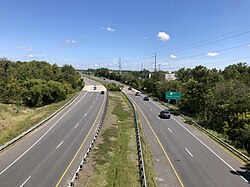
Connectivity is a hallmark of the region. Dulles International Airport serves as a major global gateway, facilitating international travel and commerce. The county is also serviced by major highways, such as US 15 and VA State Route 7, which are essential for local and regional transit.
Summary of County Profile
| Category | Details |
|---|---|
| County Seat | Leesburg |
| Total Area | 521.33 sq mi |
| 2020 Population | 420,959 |
| Median Household Income (2023) | $156,821 |
| Congressional District | 10th |
Frequently Asked Questions
What is the largest town in Loudoun County?
Leesburg is the largest town and serves as the county seat.
Why is Loudoun County economically significant?
Loudoun County has the highest median household income in the United States and is a major hub for technology and international transportation via Dulles International Airport.
When was Loudoun County founded?
Loudoun County was founded in 1757 and was named after John Campbell, the 4th Earl of Loudoun.
What are the major transportation links in the county?
The county is served by Dulles International Airport and major highways including US 15 and VA State Route 7.
How has the population changed recently?
The population has grown significantly, from 169,599 in 2000 to 420,959 in 2020, with estimates suggesting it will reach 449,749 by 2025.