The Mystery of Loch Ness: Unraveling the Legend of Nessie
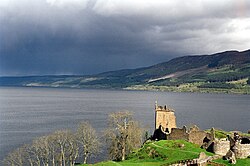
Deep within the Scottish Highlands lies Loch Ness, a vast and murky body of water that has captured the world's imagination for decades. While the landscape is breathtaking, it is the legend of a mysterious creature—often called Nessie—that has turned this location into a global phenomenon. From ancient folklore to modern high-tech searches, the quest to find the Loch Ness Monster is a saga of science, mystery, and occasionally, deception.
The Origins of a Legend
While the term "Loch Ness monster" first gained widespread usage around June 1933, the roots of the legend stretch much further back. Some accounts trace sightings to the 6th century, involving Saint Columba. Over the centuries, various reports have surfaced, including accounts from 1871 and 1888, building a foundation of folklore that preceded the modern media frenzy.
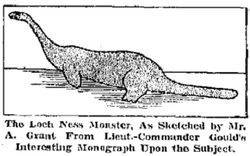
The modern era of "monster hunting" truly ignited in 1933. Following sightings by Aldie Mackay and George Spicer, the world became obsessed with the possibility of a prehistoric survivor lurking in the depths. This period saw a surge in reported sightings, including those by Hugh Gray and Arthur Grant, which helped cement Nessie's place in popular culture.
Famous Sightings and Scientific Investigations
Throughout the 20th and 21st centuries, various technologies have been deployed to catch a glimpse of the elusive creature. These efforts have ranged from simple visual observations to sophisticated sonar and DNA analysis.
The Era of Film and Photography
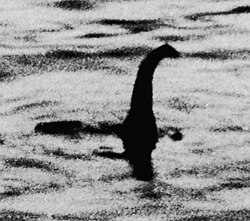
One of the most famous pieces of evidence was the 1934 "surgeon's photograph," which depicted a long neck emerging from the water. However, this iconic image has since been revealed as a hoax. Other notable visual records include the Taylor film (1938) and the Dinsdale film (1960). Even in recent years, technology like drones and satellite imagery (such as Apple Maps) has provided new, albeit controversial, perspectives on the loch.
Sonar and Modern Searches
As technology advanced, researchers turned to sonar—a method of using sound waves to detect objects underwater. Significant sonar readings were recorded in 1954 and throughout various studies in the 1960s and 70s. More recently, massive undertakings like Operation Deepscan in 1987 and a comprehensive DNA survey in 2018 have attempted to provide a scientific answer to what actually lives in the water.
Scientific Explanations and Theories
What could people be seeing? Scientists and skeptics have proposed several theories to explain the sightings without the need for a monster.
Misidentification of Known Animals
Many researchers suggest that sightings are actually misidentifications of known species. Potential candidates include:
- Eels: Large eels are a prominent theory following DNA studies.
- Fish: Species like the Wels catfish or Greenland shark.
- Other animals: Misidentified boat wakes, trees, or even large aquatic mammals.
Physical and Optical Phenomena
The environment of Loch Ness itself can create illusions. Seiches (standing waves in an enclosed body of water), boat wakes, and various optical effects caused by light refraction can make inanimate objects appear to move like living creatures. Even seismic gas or atmospheric effects like noctilucent clouds have been suggested as explanations for strange spectacles.
The Plesiosaur Theory
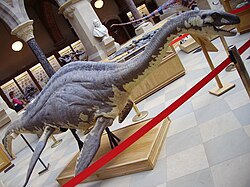
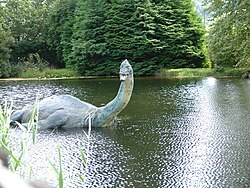
A popular cultural theory is that Nessie is a plesiosaur—a type of long-necked marine reptile from the dinosaur era. However, most scientific evidence suggests this is unlikely given the loch's environment and the biological requirements of such a creature.
Key Facts
- Common Names: Nessie, Niseag, and Nessiteras rhombopteryx.
- Location: Loch Ness, Scottish Highlands, Scotland.
- First Modern Reports: 1933.
- Most Famous Hoax: The 1934 "surgeon's photograph."
- Leading Scientific Theory: Misidentification of large eels or natural optical phenomena.
Summary of Loch Ness Evidence and Theories
| Category | Examples | Status/Explanation |
|---|---|---|
| Famous Visuals | Surgeon's Photo (1934), Dinsdale Film (1960) | Often identified as hoaxes or misidentifications. |
| Scientific Methods | Sonar, DNA Surveys, Drone Footage | Used to search for biological traces or physical shapes. |
| Biological Theories | Plesiosaur, Giant Eel, Wels Catfish | Plesiosaur is largely dismissed; eels are a strong candidate. |
| Environmental Factors | Boat wakes, Seiches, Optical effects | Commonly used to explain "moving" objects. |
Frequently Asked Questions
Is the Loch Ness Monster real?
There is no definitive scientific evidence that a prehistoric monster lives in Loch Ness. Most sightings are attributed to misidentified animals, natural phenomena, or deliberate hoaxes.
What was the "surgeon's photograph"?
The "surgeon's photograph" was a famous 1934 image showing a creature's neck rising from the water. It is now widely recognized as a hoax.
Could Nessie be a dinosaur?
While popular culture often depicts Nessie as a plesiosaur, scientists argue that it is highly unlikely a prehistoric reptile could survive in the loch's modern ecosystem.
What did the DNA survey in 2018 find?
The 2018 DNA survey did not find any "monster" DNA, but it did find a significant amount of eel DNA in the water, leading to theories that sightings might be large eels.