Litto Nebbia: The Architect of Argentine Rock
Félix Francisco Nebbia Corbacho, known globally as Litto Nebbia, is more than just a musician; he is a foundational pillar of the Argentine rock scene. Born on July 21, 1948, in Rosario, Santa Fe, to musical parents Martha Corbacho and Félix Nebbia, he spent over six decades shaping the sonic landscape of his home country through a diverse array of genres, including folk, jazz, tango, and progressive rock.
The Birth of a Movement: Los Gatos and "La Balsa"
Nebbia's journey began in his early teens when he left high school to form "The Wild Cats" with keyboardist Ciro Fogliatta. By 1963, the duo had moved to Buenos Aires, living in a tenement in the Balvanera ward. They became fixtures at La Cueva, a neighborhood club that served as one of the primary cradles of the emerging Argentine rock movement.
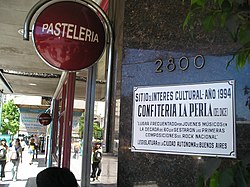
In 1966, Nebbia and Fogliatta formed Los Gatos. The band was renowned for their marathon all-night performances and for composing original material in the "La Perla del Once" café. It was here, on May 2, 1967, that Nebbia and the songwriter Tanguito wrote "La balsa" (The Raft). Released on July 3 via RCA Victor, the song became a cultural phenomenon, selling over 250,000 copies.
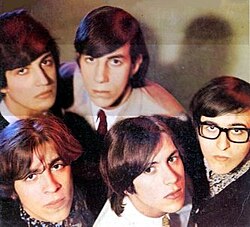
This release marked a historic milestone: it was the first local rock production to outsell American and British imports in Argentina, effectively signaling the birth of rock nacional (national rock). The impact was so enduring that in 2007, the Argentine edition of Rolling Stone Magazine ranked "La balsa" as the number one album in the history of Argentine rock.
Political Turmoil and Artistic Evolution
Success brought scrutiny. The conservative dictatorship of General Juan Carlos Onganía viewed "La balsa" as a catalyst for escapism and drug abuse. While the song wasn't banned, the government retaliated by closing La Cueva. Internal friction also grew within Los Gatos, leading to the departure of guitarist Kay Galiffi and Nebbia's own exit in 1969. The group officially dissolved by 1970.
Nebbia transitioned into a prolific solo career with RCA Records. His early solo work was eclectic, incorporating the Chacarera (a traditional folk dance and music genre from northern Argentina) in the early 1970s and forming the jazz-focused Litto Nebbia Trio in 1973. He also expanded into production, notably producing Pastoral's 1975 album En el hospicio.
The political climate darkened again in 1976 with a new dictatorship. Following intimidation and detainment, Nebbia was forced into exile in Mexico. Despite the hardship, this period was creatively fruitful, resulting in acclaimed albums such as Canciones para cada uno (1978) and Sólo se trata de vivir (1981). He returned to Argentina in 1982, coinciding with a shift toward civil liberties and the birth of his daughter, Miranda.
Legacy, Melopea, and Later Years
Upon his return, Nebbia remained a central figure in the music scene, participating in the 1983 "Rosariazo" concert alongside artists like Fito Páez and Juan Carlos Baglietto. In 1988, he opened El Nuevo Mundo, a recording studio established in a former shoe store in Villa Urquiza.
This studio paved the way for the 1989 launch of Melopea Records, named after Ancient Greek music theory and his own 1974 album. Through Melopea, Nebbia focused on discovering new talent and reviving forgotten tango compositions by masters such as Juan Carlos Cobián and Enrique Cadícamo. His contributions to the city were formally recognized in 2002 when he was named an Illustrious Citizen of Buenos Aires.
In 2007, Los Gatos reunited (excluding the late Oscar Moro), and Nebbia continued to influence the genre. Even titans of Argentine rock, such as Charly García and Luis Alberto Spinetta, cited Nebbia and Los Gatos as primary inspirations for their own careers.
Key Facts
- Historic Milestone: "La balsa" was the first local rock song to outsell foreign imports in Argentina.
- Genre Versatility: His work spans rock, folk, jazz, tango, and soundtracks.
- Entrepreneurship: Founded El Nuevo Mundo Studios and Melopea Records.
- Political Exile: Forced to live in Mexico during the late 1970s due to political persecution.
- Prolific Output: Released his 50th album, Demasiadas maneras de no saber nada, in 1986.
| Period/Entity | Key Contribution/Role | Notable Work/Achievement |
|---|---|---|
| Los Gatos (1966-1970) | Founding Member/Songwriter | "La balsa" (250,000+ copies sold) |
| Solo Career (1969-Present) | Singer-Songwriter/Producer | Over 50 studio albums |
| Exile in Mexico (1976-1982) | Recording Artist | Sólo se trata de vivir |
| Melopea Records (1989) | Founder/Label Head | Promotion of new talent and classic tango |
Frequently Asked Questions
Why is the song "La balsa" so important?
"La balsa" is considered the birth of Argentine rock because it was the first local rock production to outsell American and British titles in the domestic market, proving that local artists could achieve massive commercial success in the genre.
What is the significance of Melopea Records?
Melopea Records served as a platform for discovering new musical talents and preserving Argentine culture by producing previously unreleased tango compositions from legendary figures like Roberto Goyeneche.
Which instruments does Litto Nebbia play?
Litto Nebbia is a multi-instrumentalist proficient in vocals, guitar, piano, harmonica, and keyboards.
How did political instability affect his career?
Nebbia faced censorship and intimidation under Argentine dictatorships. This culminated in his forced exile to Mexico from 1976 to 1982, though he continued to release successful albums during this time.
Who were some of the artists influenced by Litto Nebbia?
Highly influential Argentine musicians Charly García and Luis Alberto Spinetta both acknowledged Nebbia and his band Los Gatos as inspirations for their own musical beginnings.