Little Rock: The Vibrant Capital of Arkansas
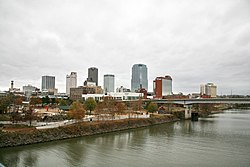
Little Rock serves as the capital and most populous city of Arkansas, positioned strategically on the south bank of the Arkansas River. As the county seat of Pulaski County, it acts as the political and economic heart of the state. Known affectionately by nicknames such as The Rock and Rock Town, the city blends a rich historical legacy with modern urban development.
With a population of 202,591 as of the 2020 census and a metropolitan area estimated at 770,000 residents, Little Rock is the 81st-most populous metropolitan area in the United States. Its growth from a small settlement to a major regional hub reflects the broader evolution of the American South.
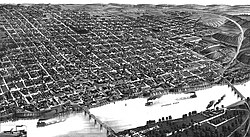
Key Facts
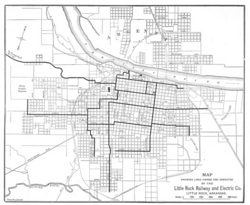
- Founded: June 1, 1821
- Government: Council–manager system led by Mayor Frank Scott Jr.
- Geography: Located in central Arkansas at an elevation of 279 feet.
- Major Landmarks: Clinton Presidential Center, Arkansas State Capitol, and Central High School.
- Economy & Infrastructure: A major healthcare hub and the center of state government.
City Overview and Administration
Little Rock was incorporated as a town on November 7, 1831, and later as a city on November 2, 1835. The city is named after "The Little Rock," a geological feature in the area. Today, it spans approximately 123 square miles, with the vast majority being land area.
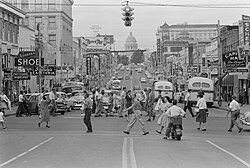
The city is governed by the Little Rock Board of Directors under a council-manager form of government. Its administrative reach extends across a diverse array of neighborhoods, from the historic Quapaw Quarter and Capitol-Main Historic District to modern residential areas like Chenal Valley and The Heights.
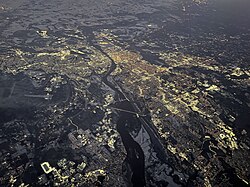
Demographics and Society
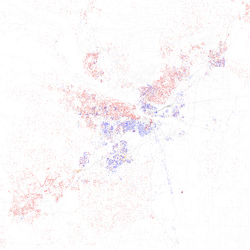
The demographic landscape of Little Rock has evolved significantly over the last two centuries. In 1850, the population was just 2,167; by 2020, it had grown to over 200,000. The city is characterized by a diverse racial composition, with significant White and Black or African American populations.
According to the 2020 census, the median age of residents is 37.2 years. The city has also seen a notable increase in its Hispanic or Latino population, which grew from 2.67% in 2000 to 10.10% in 2020.
Climate and Environment
Little Rock experiences a climate with distinct seasonal variations. Summers are typically hot and humid, with record highs reaching 114°F. Winters are milder but can bring freezing temperatures, with record lows dipping to -12°F. The city receives an average annual precipitation of 50.42 inches, distributed throughout the year.
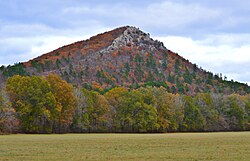
For those seeking nature, the city offers 48 parks, including the scenic Pinnacle Mountain and the Little Rock Zoo, which houses over 200 species and 725 animals.
Culture, Landmarks, and Recreation
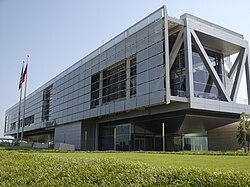
Little Rock is a center for arts, culture, and history. One of its most prominent sites is the Clinton Presidential Center, which opened in 2004 to honor the legacy of President Bill Clinton.
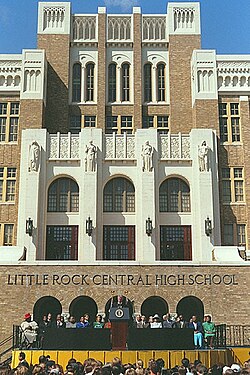
The city is also home to the Little Rock Central High School, a site of immense historical importance regarding the desegregation of American education. President Bill Clinton recently led celebrations for the 40th anniversary of this pivotal event.
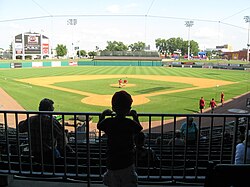
Sports enthusiasts can visit Dickey–Stephens Park, home to the Arkansas Travelers of the Texas League, or War Memorial Stadium, which hosts the Little Rock Rangers. The city also supports the Little Rock Trojans of NCAA Division I.
Infrastructure and Services
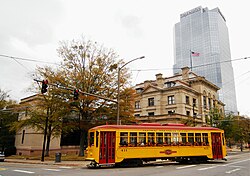
Transportation in Little Rock includes the Metro Streetcar, a heritage system that connects various parts of the city. While most households rely on personal vehicles, approximately 8.9% of households were without a car as of 2016.
The city is a regional leader in healthcare, boasting several major institutions including the UAMS Medical Center, Arkansas Children's Hospital, and the Baptist Health Medical Center.
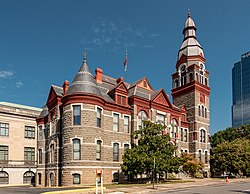
The Pulaski County Courthouse, built in 1887, remains a cornerstone of the city's legal and architectural landscape.
City Summary Table
| Category | Detail |
|---|---|
| Founded | June 1, 1821 |
| Population (2020) | 202,591 |
| Land Area | 120.05 sq mi |
| Elevation | 279 ft |
| Area Code | 501 |
| Sister Cities | Kaohsiung, Hanam, Changchun, Newcastle upon Tyne, Caxias do Sul |
Frequently Asked Questions
What is the significance of Little Rock Central High School?
Little Rock Central High School is a historic landmark known for its role in the desegregation of the U.S. public school system, a pivotal moment in the American Civil Rights Movement.
What are the primary sports teams in Little Rock?
The city is home to the Arkansas Travelers (baseball), Little Rock Trojans (NCAA Division I), Little Rock Rangers (soccer), and the Little Rock Lightning (basketball).
What is the weather typically like in Little Rock?
Little Rock has a climate with hot, humid summers and cool to cold winters, with an average annual precipitation of about 50.42 inches.
Which major museums or centers are located in the city?
The most prominent cultural site is the Clinton Presidential Center, which opened in 2004 in downtown Little Rock.
How is the city governed?
Little Rock uses a council-manager government system, with the Little Rock Board of Directors and a Mayor overseeing city administration.