The Resilient Little Egret: A Story of Recovery and Expansion
The little egret (*Egretta garzetta*) is a striking wading bird known for its elegant white plumage and graceful movements. While it may appear as a simple inhabitant of wetlands, the history of this species is one of dramatic decline and remarkable recovery. Once pushed to the brink of extinction in parts of Europe due to the fashion industry, the little egret is now a symbol of successful conservation and a master of range expansion.

Key Facts
- Scientific Name: Egretta garzetta
- Conservation Status: Least Concern (IUCN 3.1)
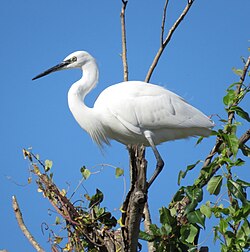
- Physical Traits: White plumage, black bill, and distinctive yellow feet.
- Habitat: Wetlands, including lakes, rivers, marshes, and coastal mangroves.
- Diet: Primarily fish and other aquatic prey.
- Lifespan: Can live up to approximately 22.3 years in the wild.
Scientific Classification and Taxonomy
Formally described by the Swedish naturalist Carl Linnaeus in 1766, the little egret was originally named Ardea garzetta. It is now classified within the family Ardeidae (herons and egrets) and the genus Egretta, which was established in 1817 by Johann Reinhold Forster. The genus name is derived from the Provençal French word Aigrette, a diminutive of Aigron, meaning heron.
Recognized Subspecies
Taxonomists recognize several subspecies, though classifications have evolved over time:
- E. g. garzetta: The nominate subspecies, found across Europe, Africa, and most of Asia (excluding the southeast).
- E. g. nigripes: Found in the Sunda Islands, Australia, and New Zealand.
- E. g. immaculata: Inhabits Australia and New Zealand (though it does not breed in the latter).
Historically, other taxa like the western reef heron and the dimorphic egret were sometimes classified as subspecies but are now considered separate species.

Physical Description and Behavior
An adult little egret typically measures between 55–65 cm in length with a wingspan of 88–106 cm. They are lightweight, weighing between 350–550 g. While their plumage is predominantly white, some dark forms with bluish-grey feathers exist.
During the breeding season, these birds undergo a dramatic transformation. They develop long, narrow plumes on the nape (forming a crest) and elongated scapular feathers (feathers on the shoulder) that can reach up to 200 mm in length. Their black bills and yellow irises are complemented by black legs and bright yellow feet. During courtship, their feet and the skin between the bill and eye (the lores) may turn red.

In terms of behavior, little egrets are sociable and often congregate in small flocks. However, they are territorial regarding their immediate feeding spots. They are generally quiet birds, though they produce croaking or bubbling calls at breeding colonies and a harsh alarm call when they feel threatened.
Habitat and Distribution
The little egret is highly adaptable, occupying a wide variety of environments. They prefer open locations over dense cover, making them common sights in:
- Lakes, rivers, canals, and ponds.
- Marshes, lagoons, and flooded lands.
- Coastal areas such as mangroves, mudflats, sandy beaches, and reefs.
- Agricultural settings, such as rice fields in Italy.
Their global distribution is vast. While the western race migrates from northern Europe to Africa or southern Asia during winter, the eastern race remains resident in regions like Indonesia and New Guinea. Interestingly, the species has recently begun to colonize the "New World," with breeding populations established in Barbados and the Bahamas, and sightings extending as far north as Canada.

Feeding and Breeding Habits
Little egrets are skilled hunters, primarily preying on fish. They are often seen stalking prey in shallow water or foraging near cattle and other hoofed mammals.

When it comes to reproduction, these birds are colonial nesters, often sharing sites with other wading birds like cattle egrets or ibises. They build platform nests made of sticks in trees, shrubs, reed beds, or even on cliffs. Both parents participate in incubating the three to five pale, blue-green eggs, a process that lasts 21 to 25 days. Once hatched, the young are covered in white down and remain under parental care for 40 to 45 days before they fledge.

A History of Survival: From Plume Hunting to Recovery
The history of the little egret in Europe is a cautionary tale of human impact. In the 19th century, the species faced a massive decline due to the plume trade. Their beautiful breeding feathers were highly sought after for hat decorations, leading to millions of skins being sold in London alone. This intensive hunting, combined with climate changes during the Little Ice Age, caused the bird to become locally extinct in northwestern Europe.
The tide turned in the 1950s when conservation laws were introduced in southern Europe. This protection allowed populations to rebound. By the 21st century, the little egret had successfully recolonized much of its former range, including breeding in the Netherlands, France, Ireland, and Great Britain. In the UK, for example, the species has moved from being a rare vagrant to a regular breeding resident.

Current Conservation Status
Despite localized threats—such as being listed as "Threatened" in certain Australian states like Victoria—the global status of the little egret remains Least Concern. Their ability to expand their range and adapt to new environments suggests a highly resilient species.

Summary of Little Egret Characteristics
| Feature | Details |
|---|---|
| Average Length | 55–65 cm |
| Wingspan | 88–106 cm |
| Primary Colors | White plumage, black bill, yellow feet |
| Nesting Habit | Colonial; stick platforms in trees or reeds |
| Global Status | Least Concern (IUCN) |
Frequently Asked Questions
How can I distinguish a little egret from other similar birds?
One of the most reliable ways to identify a little egret is by its yellow feet and black bill. While they may resemble the snowy egret, the little egret is generally larger and has different foraging strategies.
Why did the little egret population decline in the 19th century?
The decline was primarily driven by the fashion industry, where their plumes were extensively hunted to decorate hats. This "plume craze" reduced populations to dangerously low levels across Europe.
Do little egrets migrate?
It depends on their location. In warmer climates, many are permanent residents. However, northern populations, such as those in Europe, often migrate to Africa or southern Asia to over-winter.
What do little egrets eat?
They are primarily carnivorous, focusing on fishing in various aquatic environments. They are often seen hunting in shallow waters, marshes, and even near grazing livestock.
Where do little egrets nest?
They typically nest in colonies, building stick platforms in trees, shrubs, reed beds, or bamboo groves. In some specific locations, such as the Cape Verde Islands, they have been known to nest on cliffs.