Lingonberry Jam: A Traditional Staple of Northern Cuisines
In the vast, rugged landscapes of the Northern Hemisphere, from the Arctic tundra of Eurasia to the coastal reaches of North America, a small but mighty fruit plays a central role in culinary traditions. The lingonberry (Vaccinium vitis-idaea), which grows on short evergreen shrubs, is the foundation of a beloved spread known globally as lingonberry jam. Whether referred to as partridgeberry in Newfoundland and Labrador or by various regional names across Europe, this berry is a cornerstone of Northern, Central, and Eastern European diets.
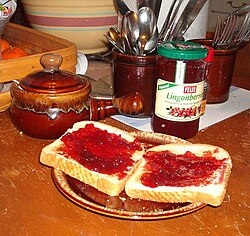
The Origins and Nature of the Lingonberry
Lingonberries are hardy plants capable of thriving in the challenging environments of the Arctic tundra. Because of their resilience, they have become a reliable food source for many cultures. In Scandinavia and other Northern European regions, these berries are frequently processed into jams and juices, serving as a versatile ingredient that bridges the gap between savory meals and sweet desserts.
Culinary Uses and Traditions
Lingonberry jam is far more than a simple breakfast spread; it is a functional component of complex savory dishes. Its tart profile provides a necessary balance to rich, heavy proteins and starchy sides.
Savory Pairings
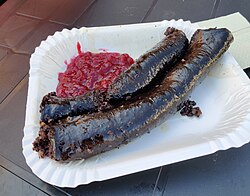
In many households, lingonberry jam is an essential accompaniment to meat courses. Common pairings include:
- Meatballs and beef stew
- Liver dishes, such as the Finnish maksalaatikko
- Fried herring, a regional favorite
- Traditional items like kroppkakor, pitepalt, and potato pancakes
- Black pudding and mustamakkara
Sweet and Breakfast Applications
Beyond the dinner plate, the jam finds its way into lighter meals and desserts. It is frequently enjoyed with oatmeal porridge—sometimes enhanced with cinnamon—as well as mashed potatoes and various sweet treats.
Composition and Preparation
The preparation of lingonberry jam can vary depending on quality and regional preference. High-quality jam is typically made using only three ingredients: lingonberries, sugar, and occasionally a small amount of water. To reduce costs, some commercial varieties may be diluted with apples.
A specific traditional method involves creating rårörda lingon (or rørte tyttebær). This version consists of sweetened lingonberries that are simply mixed with sugar without being boiled, preserving a fresher texture and flavor profile.
One of the most remarkable scientific aspects of the lingonberry is its natural shelf life. The berries contain high amounts of benzoic acid, a natural preservative that allows the fruit to keep well without the need for added chemical preservatives.
Key Facts
- Scientific Name: Vaccinium vitis-idaea
- Primary Regions: Scandinavia, Northern/Central/Eastern Europe, and Newfoundland and Labrador
- Natural Preservative: High levels of benzoic acid allow for long-term storage
- Common Names: Partridgeberry (North America), Lingonsylt (Sweden), Puolukkahillo (Finland)
- Main Ingredients: Lingonberries and sugar
Summary of Lingonberry Jam
| Feature | Details |
|---|---|
| Type | Spread |
| Main Ingredients | Lingonberries, sugar |
| Key Regions | Northern, Central, and Eastern Europe; Newfoundland and Labrador |
| Common Pairings | Meatballs, liver dishes, pancakes, oatmeal, and desserts |
Frequently Asked Questions
What is the difference between lingonberry jam and rårörda lingon?
Standard lingonberry jam is typically boiled with sugar and sometimes water, whereas rårörda lingon are fresh berries mixed with sugar without the boiling process.
Why does lingonberry jam last so long without preservatives?
The berries naturally contain high concentrations of benzoic acid, which acts as a natural preservative.
What is another name for lingonberries in North America?
In Newfoundland and Labrador, the berry is commonly known as the partridgeberry.
Can lingonberry jam be used in desserts?
Yes, it is commonly paired with oatmeal porridge and various other desserts.
What are some traditional savory dishes served with lingonberry jam?
It is frequently served with meatballs, beef stew, liver dishes like maksalaatikko, and traditional items such as black pudding and potato pancakes.