Lindbergh Kidnapping: The Investigation and Search for the Ransom
The abduction of the Lindbergh baby in 1932 became one of the most publicized crimes in American history. What began as a frantic search of a New Jersey estate evolved into a complex investigation involving the New Jersey State Police, the FBI, and a series of mysterious intermediaries. The case was characterized by a trail of cryptic ransom notes, high-stakes financial tracking, and a tragic conclusion.
Initially, the investigation focused on the physical evidence left at the scene. Police from Hopewell Borough and the New Jersey State Police conducted an extensive search of the home and surrounding grounds. Forensic experts examined a ladder used in the abduction and a handwritten ransom note, but found no usable fingerprints or footprints. This led investigators to believe the kidnapper wore gloves and cloth coverings on their shoes.
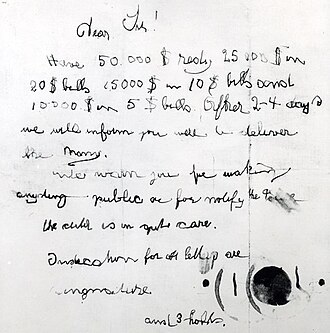
Key Facts
- Ransom Note: Contained significant spelling and grammar errors, suggesting the author was foreign-born.
- The Ladder: Built by someone with woodworking experience, though constructed incorrectly.
- Ransom Amount: Initially requested at $50,000, later raised to $70,000.
- The Intermediary: John F. Condon, a retired teacher, acted as the primary link between the kidnappers and the family.
- Gold Certificates: Rare bills were included in the ransom to make the money easier to track.
- Outcome: The child's body was discovered on May 12, 1932, approximately 4.5 miles from the estate.
The Forensic Evidence and Early Leads
The ransom note was a primary piece of evidence. It featured a unique "signature" consisting of two interconnected blue circles surrounding a red circle, with three specific punctures (holes) in the paper.

Professionals determined the note was written by a single individual whose poor English suggested they had spent very little time in the United States. Meanwhile, the ladder used to enter the home provided a different clue; while poorly made, the craftsmanship indicated the perpetrator had prior building experience. This specific evidence regarding wood types and nail patterns later became a critical element during the trial of the accused.

Law Enforcement Coordination
The investigation saw a shift in jurisdiction over time. Initially, kidnapping was a state crime. However, FBI Director J. Edgar Hoover offered resources to the Trenton Police Department as early as March 2, 1932. By May 13, 1932, the president declared the FBI was at the disposal of the New Jersey Police, and by October 1933, President Franklin D. Roosevelt officially announced that the FBI would take jurisdiction over the case.
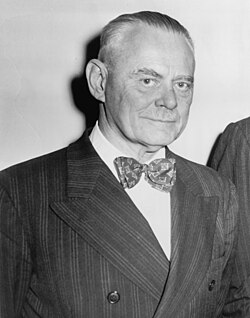
The Role of John Condon and "Cemetery John"
Amidst the chaos, John F. Condon, a retired school teacher from the Bronx, emerged as an intermediary. After offering a reward for the child's return to a priest, Condon was contacted by the kidnappers. He began communicating via classified ads in newspapers, using the pseudonym "Jafsie."
Condon eventually met a man he called "Cemetery John" at Woodlawn Cemetery. The man claimed to be a Scandinavian sailor and part of a gang of five. While the man remained in the shadows, he provided a toddler's sleeping suit as proof of life, which Charles Lindbergh later identified.
The Ransom Payment and Financial Tracking
On April 2, 1932, Condon met the kidnapper at St. Raymond's Cemetery and delivered $50,000. To aid future recovery, the money was placed in a custom-made wooden box. The payment included US Gold Certificates—bills that were soon to be withdrawn from circulation—hoping that any attempt to redeem them for gold coins would alert authorities.
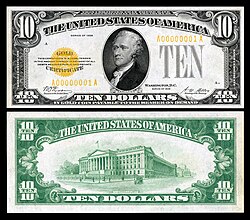
Following the payment, investigators distributed 250,000 pamphlets listing the serial numbers of the ransom bills. While some bills appeared in cities like Chicago and Minneapolis, the spenders remained anonymous. A significant lead occurred just before the May 1, 1933, deadline for exchanging gold certificates, when a man using the alias "J. J. Faulkner" attempted to exchange $2,980 of the ransom money in Manhattan.
Tragedy and False Leads
The hope for the child's return ended on May 12, 1932. A delivery truck driver and his assistant discovered the decomposed body of a toddler in a grove of trees near Mount Rose, about 4.5 miles from the Lindbergh home. The child had suffered a badly fractured skull, likely from a blow to the head.
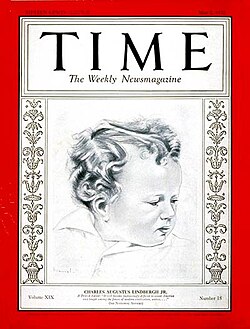
The investigation was plagued by false leads and tragedies. Gaston B. Means claimed he could retrieve the child and defrauded Evalyn Walsh McLean of $100,000 before being sentenced to fifteen years for embezzlement. Additionally, Violet Sharpe, a household servant, was suspected of conspiracy; however, she died by suicide on June 10, 1932, before her fourth questioning. Her alibi was later confirmed, exonerating her.
| Category | Details |
|---|---|
| Primary Evidence | Ransom notes with perforated circles, a handmade wooden ladder. |
| Key Figures | Charles Lindbergh, John Condon, Norman Schwarzkopf Sr., J. Edgar Hoover. |
| Ransom Total | $50,000 paid (of a $70,000 request). |
| Tracking Method | Serial number pamphlets and the use of Gold Certificates. |
| Discovery Date | May 12, 1932. |
Frequently Asked Questions
Who was John Condon?
John Condon was a retired school teacher from the Bronx who served as the intermediary between the kidnappers and the Lindbergh family, communicating through newspaper ads and meeting the kidnapper in cemeteries.
Why were gold certificates used in the ransom?
Gold certificates were used because they were being withdrawn from circulation. Investigators hoped that anyone trying to exchange these specific bills for gold coins would be easily spotted by banks and authorities.
What was the significance of the ransom note's signature?
The signature consisted of blue and red circles with three punched holes. This served as a unique identifier to verify that subsequent letters were actually from the kidnappers.
How was the baby's body identified?
The body was identified by the overlapping toes of the right foot and a shirt that had been handmade by the baby's family.
What happened to Gaston B. Means?
Gaston B. Means attempted to scam Evalyn Walsh McLean by claiming he could find the child. He was eventually reported to the police and sentenced to fifteen years in prison for embezzlement.