Library Types and Systems: From Traditional Archives to Digital Hubs
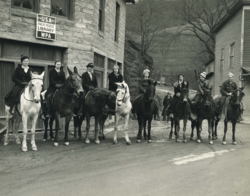
Libraries are far more than mere warehouses for books; they are dynamic institutions that evolve alongside technology and community needs. From the early days of horseback libraries in Kentucky to the high-tech makerspaces of today, these institutions serve as critical gateways to knowledge, literacy, and community connection.
At their core, libraries are often categorized by how they handle their materials. A circulating or lending library allows patrons to borrow items and take them home, whereas a reference library restricts materials to on-site use to ensure they remain available for all researchers. Modern facilities frequently blend these models, offering a general collection for loan and a specialized reference section for in-house study.
The rise of digital collections has further transformed this landscape, allowing libraries to expand their reach without needing larger physical footprints. As noted by Lamba (2019), contemporary libraries have become multi-disciplinary and networked, utilizing Web 2.0 tools to enhance communication and promote services to a broader audience.
Library Systems and Branches
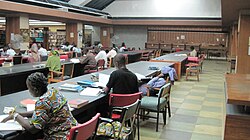
To manage vast collections across multiple locations, organizations implement a library system. This central organization coordinates operations between different buildings or branches. These systems rely on library classification to organize volumes and typically employ an Integrated Library System (ILS)—an enterprise resource planning tool used to track inventory, manage orders, handle billing, and monitor patron loans.
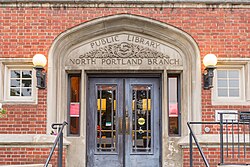
A library branch (or community library) is a local outpost of a larger system. It shares the same classification and is interconnected with other branches via the ILS. The scale of these systems varies wildly by region:
- Helsinki Metropolitan Area Libraries (Finland): 63 libraries.
- London Public Library (Canada): 16 branches.
- National Library of Venezuela: 685 branches, representing a single national system.
- Arrowhead Library System (USA): Established in 1965, it serves seven counties in Northeastern Minnesota and merged with the North Country Library Cooperative in 2012.
Specialized Library Types
Academic Libraries
Located on college and university campuses, academic libraries primarily support students and faculty. Their main goal is to provide research support, consultancy, and resource linkage. While some are restricted, many public institution libraries allow general public access, sometimes for a fee, to promote community literacy.
These libraries often maintain "reserve" collections—textbooks or articles available for very short-term loans (often just a few hours). Beyond books, they may lend hardware like laptops and scientific calculators, and host workshops on citations, database searching, and electronic citation software.

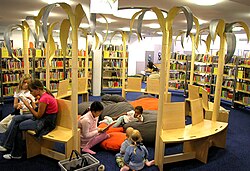
Children's Libraries
Designed for juvenile readers, children's libraries are often dedicated wings or rooms within public libraries. They act as educational agencies that supplement public schooling by cultivating a love for reading. Popular programs include storytelling sessions for toddlers and summer reading challenges. Some libraries even offer "PAWS TO READ" programs, where children read to certified therapy dogs to build confidence in a non-judgmental environment.
National and Research Libraries
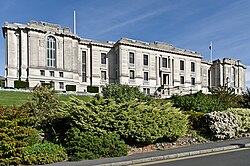
A national library serves as a country's primary information repository. These institutions typically hold the right of legal deposit, requiring publishers to provide a copy of every publication produced in the country. Because they house rare and valuable works, they rarely lend materials to the public.
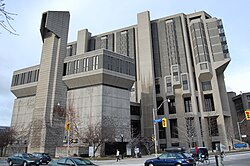
Research libraries focus on supporting scholarly or scientific inquiry using both primary and secondary sources. While they can be part of a national or academic system, they are defined by their commitment to maintaining permanent, comprehensive collections. Examples include the British Library and the Bodleian Library at Oxford University.
Public Lending Libraries
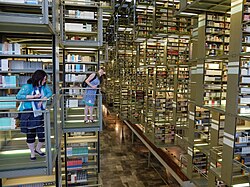
Public libraries are funded by the community and provide free services to the general public. They often serve as vital community hubs, offering reading groups and early childhood literacy programs. To manage growing collections, many adopted the stack system in the 19th century, separating storage from reading rooms. This evolved from cast-iron frameworks with translucent floors to modern compact shelving (shelves on tracks) to maximize space.
In 2005, the concept of Library 2.0 emerged as a response to search engines like Google. This movement integrates Web 2.0 technology—such as tagging, bookmarking, and social networking—to make the library a more user-driven institution.
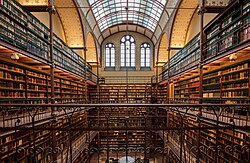
Digital and Media Libraries
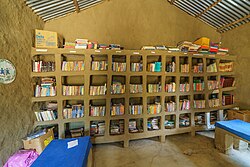
Digital libraries house curated electronic resources, including text, audio, and photographs. The shift toward digital access has significantly impacted physical circulation; for instance, the University of California Library System saw circulation drop from 8.377 million books in 1991 to 3.832 million in 2001.
Media libraries (known in French as médiathèque) specialize in multimedia materials like documentaries, music, and audiobooks. Notable examples include the Sendai Mediatheque in Japan and the Médiathèque Musicale Mahler in France.
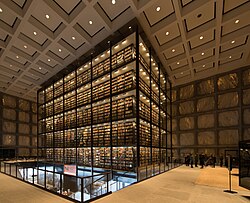
Special Libraries
Special libraries are maintained by private businesses or public organizations—such as hospitals, law firms, museums, and government agencies—to serve employees' specialized research needs. Unlike general libraries, the staff here are often subject-matter specialists rather than traditionally trained librarians.
This category also includes identity-focused libraries, such as women's libraries (e.g., Vancouver Women's Library) or LGBTQ libraries, which preserve specific histories and serve targeted community needs.
Library Makerspaces
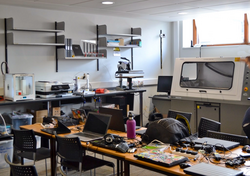
The most recent evolution in library services is the makerspace. These are creative, hands-on areas providing tools for designing and prototyping. Equipment often includes 3D printers, CNC machines, laser cutters, and electronics kits, as well as software for 3D modeling and video editing. By supporting STEM and STEAM education, makerspaces shift the library's role from providing information to enabling active learning through doing.
Key Facts
- Legal Deposit: A requirement for publishers to provide national libraries with a copy of every publication.
- Integrated Library System (ILS): Software used to manage inventory, patrons, and billing across a library system.
- Library 2.0: A user-centric approach incorporating social media and web tools to modernize library services.
- Makerspaces: Areas within libraries dedicated to STEM/STEAM learning via 3D printing and digital fabrication.
- Circulation Trends: Digital libraries have led to a decline in physical book transactions in many academic settings.
| Library Type | Primary Purpose | Lending Policy | Typical User |
|---|---|---|---|
| Public | Community access & literacy | Circulating | General Public |
| Academic | Research & educational support | Mixed (Circulating/Reserve) | Students & Faculty |
| National | National information repository | Reference (Non-lending) | Researchers/Scholars |
| Special | Specialized professional research | Varies by institution | Employees/Members |
| Digital | Electronic resource access | Digital Access | Global Users |
Frequently Asked Questions
What is the difference between a reference library and a lending library?
A lending library allows patrons to borrow materials and take them off-site, while a reference library requires that materials be used only within the facility to ensure they are always available for research.
What does "legal deposit" mean for national libraries?
Legal deposit is a legal mandate requiring publishers to deposit a copy of every publication they produce into the national library, ensuring a complete record of the nation's intellectual output.
How do library makerspaces differ from traditional library services?
While traditional services focus on providing access to information (books, databases), makerspaces provide tools and technology (3D printers, CNC machines) to encourage active creation and hard-skill development.
What is an Integrated Library System (ILS)?
An ILS is a software package that acts as an enterprise resource planning system for libraries, managing everything from the catalog and patron records to bills and item tracking.
Do academic libraries allow the general public to enter?
Many do, especially those at public institutions. Some may offer full access, while others require a fee for non-students to use their resources to help improve community literacy.