Library of Congress: The History and Architecture of America's National Library
Established on April 24, 1800, the Library of Congress serves as the research arm of the U.S. Congress and the de facto national library of the United States. Located on Capitol Hill in Washington, D.C., it has evolved from a modest legislative resource into one of the largest libraries in the world, housing an estimated 173 million items.
The institution is designed to serve not only the members of Congress but also American citizens and international visitors, providing a vast repository of human knowledge across law, politics, commerce, history, and geography.
Key Facts
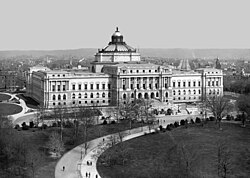
- Founded: April 24, 1800.
- Collection Size: Approximately 173 million items.
- Budget: $802.128 million.
- Staff: 3,105 employees.
- Access: Onsite use only.
- Primary Purpose: Serving Congress, citizens, and international researchers.
Historical Evolution
Origins and the Jefferson Legacy
In its early years, the library focused on providing essential resources for the legislative process. By 1824, the Committee of Ways and Means emphasized the need for expanded collections in fields like law and geography to support congressional duties. A pivotal moment in the library's history was the contribution of Thomas Jefferson, whose personal library helped form the foundation of the current collection.
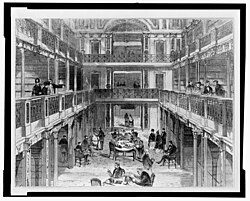
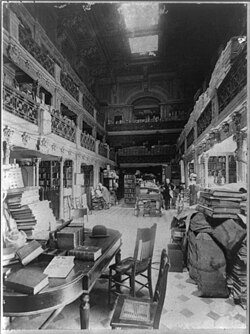
Initially, the library was housed within the U.S. Capitol Building, where it remained for nearly a century.
Expansion and Modernization
The late 19th century marked a period of significant growth under the leadership of figures like Ainsworth Spofford. As the collection grew too large for the Capitol, the institution transitioned into its own dedicated structures. This era saw the library shift from a purely legislative tool to a national institution of learning and preservation.
In more recent decades, the library has embraced the digital age. Under the leadership of James H. Billington and later Carla Hayden, the institution prioritized digitization and the creation of programs to make its vast archives accessible to a global audience.
Architectural Landmarks
The Thomas Jefferson Building
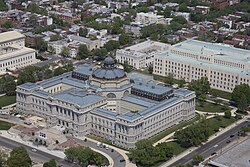
Completed between 1888 and 1897, the Thomas Jefferson Building is the library's crown jewel. It is a masterpiece of Beaux-Arts architecture, a style characterized by symmetry, grandiosity, and classical details. The building is renowned for its extravagant Great Hall and the iconic Main Reading Room.
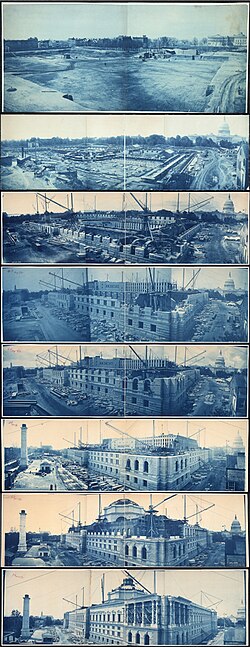
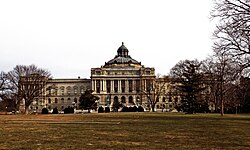
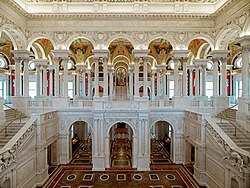
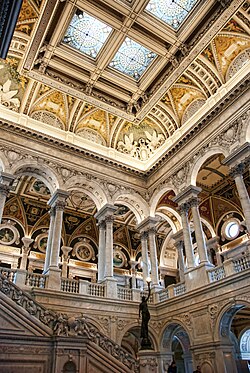
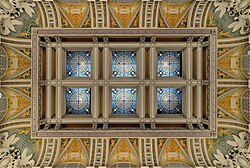
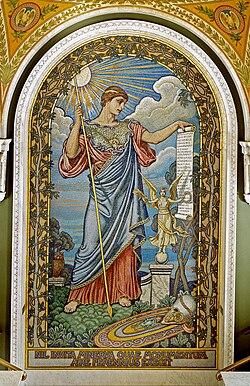
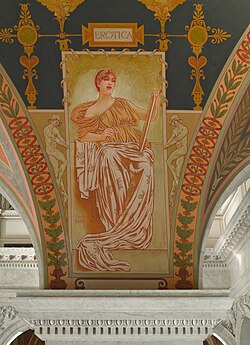
The interior is adorned with significant artworks, including the Minerva of Peace mosaic by Elihu Vedder and the mural Erotica by George Randolph Barse.
The John Adams and James Madison Buildings
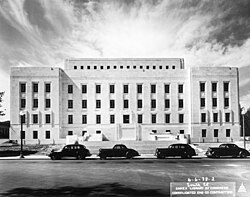
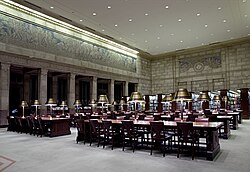
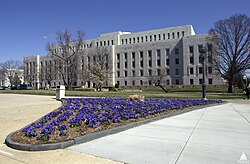
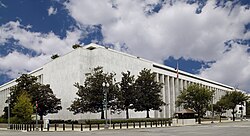
To accommodate its exploding collection, the library added two more major structures on Capitol Hill. The John Adams Building opened in 1939, featuring the South Reading Room with murals by Ezra Winter. The James Madison Memorial Building followed in 1980, providing modern facilities for storage and research.
![James Madison Memorial Building opened in 1980 [33]](/images/a4/19/a419861cfe5a59354fe74e536712a9cfaa36cbc760a79be9786b3f78a4a2e134.jpg)
The Packard Campus
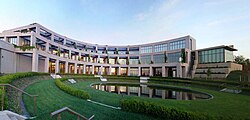
Beyond Washington, D.C., the library operates the National Audio-Visual Conservation Center, known as the Packard Campus, in Culpeper, Virginia. This facility is dedicated to the preservation of film, sound recordings, and other audio-visual media.
Collections and Cultural Impact
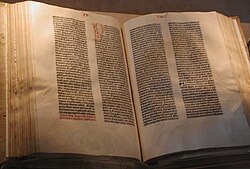
The Library of Congress is home to some of the world's most precious documents, including the Gutenberg Bible. Its holdings span digital archives, congressional records, and a diverse array of cultural artifacts, including a significant collection of comic books and graphic novels.
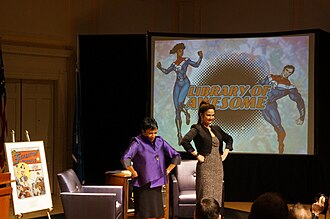
The library also hosts prestigious annual events and awards, such as the National Book Festival, the Gershwin Prize for Popular Song, and the Library of Congress Prize for American Fiction.
| Building Name | Opened/Built | Primary Feature/Purpose |
|---|---|---|
| Thomas Jefferson Building | 1897 | Main building, Beaux-Arts architecture, Great Hall |
| John Adams Building | 1939 | Additional storage and reading rooms |
| James Madison Memorial Building | 1980 | Modern research and storage facilities |
| Packard Campus | N/A | Audio-visual conservation in Culpeper, VA |
Frequently Asked Questions
Can the general public borrow books from the Library of Congress?
No. The Library of Congress is for onsite use only; materials cannot be checked out and taken home.
What is the significance of the Thomas Jefferson Building's architecture?
The building is a premier example of Beaux-Arts architecture, known for its opulent design, symmetry, and the integration of fine arts into the structural layout.
What is the Packard Campus?
The Packard Campus is the National Audio-Visual Conservation Center located in Culpeper, Virginia, where the library preserves films and sound recordings.
Who is the current Librarian of Congress?
As of the most recent records, Todd Blanche is serving as the Acting Librarian of Congress (disputed).
What are some of the most notable items in the collection?
Notable items include the Gutenberg Bible and a vast array of congressional records, as well as specialized collections of comics and graphic novels.