The Rise and Legacy of the Great Liao: The Khitan Empire
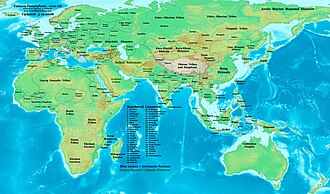
Emerging from the vast steppes of Central and East Asia, the Great Liao dynasty (916–1125) stands as one of the most influential empires of the medieval era. Founded by the Khitan people, this powerful state bridged the gap between nomadic steppe traditions and the sophisticated administrative structures of sedentary Chinese civilizations. At its height, the Liao controlled a massive territory of approximately 2.6 million square kilometers, making it a dominant force in the geopolitical landscape of Asia.
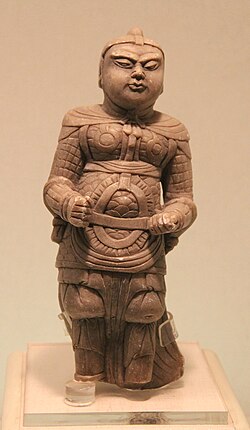
The Foundations of the Khitan State
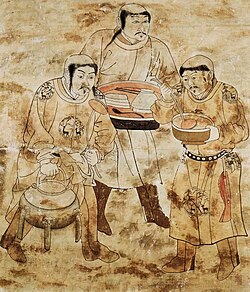
The roots of the Liao dynasty lie in the consolidation of power among various Khitan tribes during the 8th century. By the late 9th century, these tribes began expanding their influence through aggressive military campaigns. The pivotal moment in Khitan history arrived in 907 when Abaoji, the Yila chieftain, ascended as the supreme leader, or Khagan, with the support of seven other tribes.
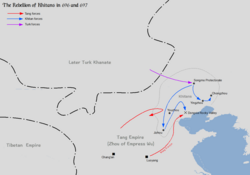
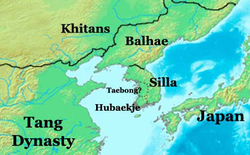
Abaoji’s reign was marked by both internal consolidation and external expansion. To secure his authority, he transitioned from a tribal leader to a Chinese-style emperor, a move that initially caused friction among the Khitan elite. Despite internal insurrections from his own family, Abaoji successfully subdued numerous neighboring groups, including the Shiwei, Kumo Xi, and Zubu. By the time of his death in 926, he had conquered the Balhae kingdom and established the puppet Kingdom of Dongdan, significantly expanding the Khitan footprint.
Evolution of the Dynastic Name
The naming of the empire reflected the shifting identity of its people. While founded as the Great Khitan State in 907, it was officially renamed the Great Liao in 947 under Emperor Taizong. This change likely acknowledged the inclusion of diverse non-Khitan ethnic groups within the empire. However, in 983, during the reign of Emperor Shengzong, the name reverted to Great Khitan to reassert a distinct Khitan identity. The title "Great Liao" was eventually reintroduced in 1066 and remained in official use until the dynasty's eventual collapse.
Imperial Governance and Military Might
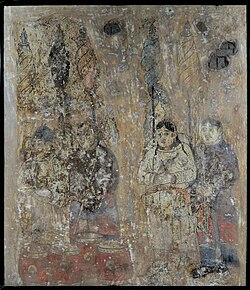
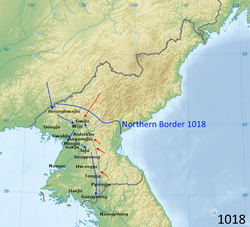
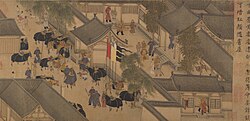
The Liao operated as an absolute monarchy, led by a succession of emperors who navigated complex relationships with neighboring powers like the Song dynasty and the Goryeo kingdom. One of the most notable figures was Empress Dowager Chengtian (Xiao Yanyan), who acted as regent for her son, Emperor Shengzong. She was a formidable leader, commanding her own personal cavalry of 10,000 riders and playing a decisive role in the empire's successes.
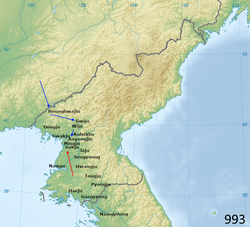
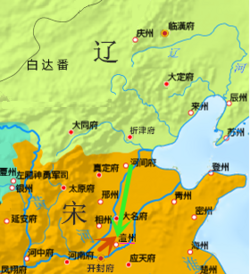
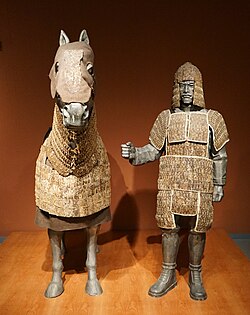
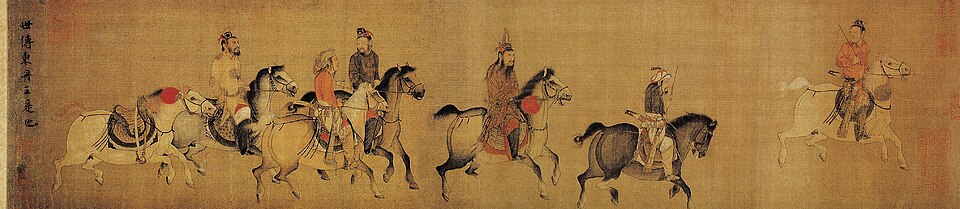
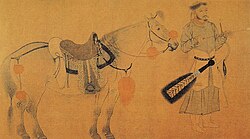
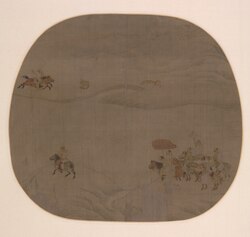
Military prowess was a cornerstone of Liao stability. The empire was known for its highly effective cavalry, which allowed it to engage in long-range expeditions and defend its vast borders. This military strength was famously demonstrated in the 1004 expedition against the Northern Song dynasty. Following intense conflict, the two powers signed the Chanyuan Treaty, a landmark agreement that forced the Song to recognize the Liao as equals and ushered in over a century of relative peace.
The Complexity of Khitan Language
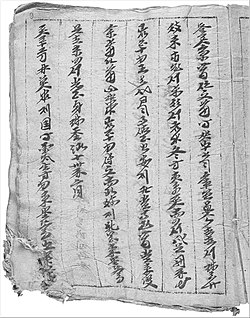
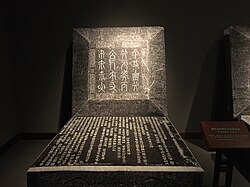
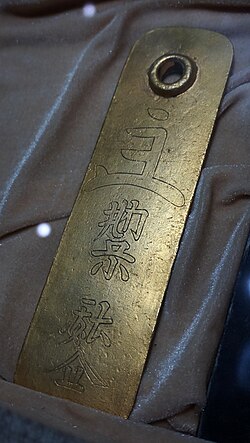
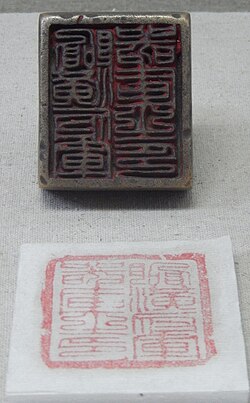
Unlike many of their contemporaries, the Khitans developed their own unique writing systems to facilitate administration and record-keeping. In 920, the Khitan large script was created, followed by the Khitan small script in 925. Both systems utilized a combination of logographs (symbols representing words) and phonographs (symbols representing sounds). Although they bear a superficial resemblance to Chinese characters, they are functionally distinct and remain largely undeciphered by modern scholars.
Culture, Religion, and Society
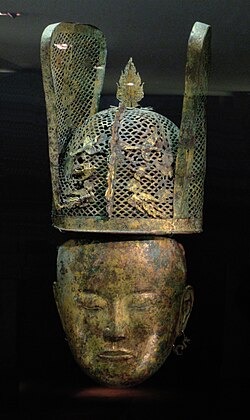
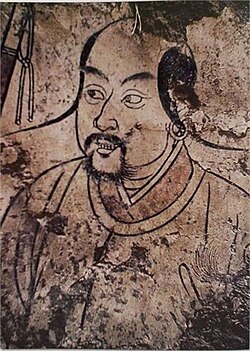
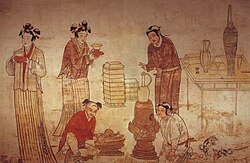
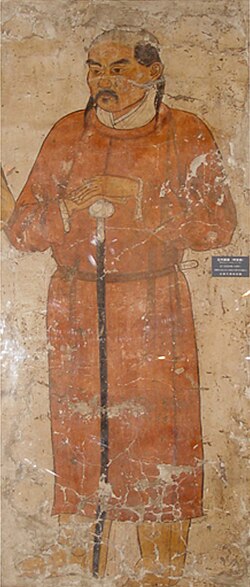
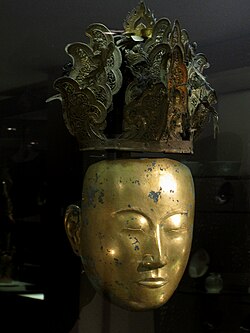
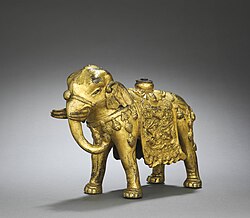
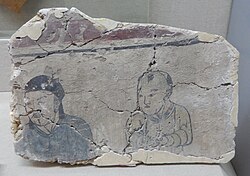
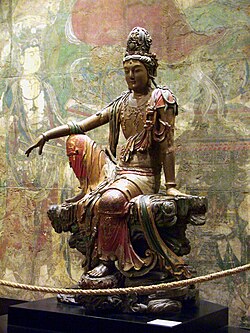
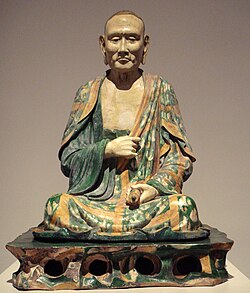
The Liao dynasty was a period of profound cultural synthesis. While maintaining their nomadic roots, the Khitans embraced Buddhism and practiced Khitan animism. This religious duality is evident in the rich archaeological record, which includes magnificent Buddhist statues, intricate funerary masks, and elaborate tomb murals.
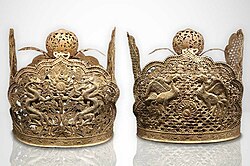
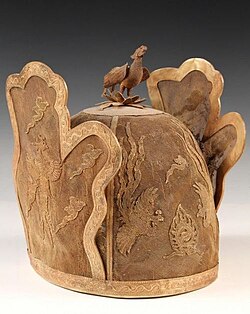
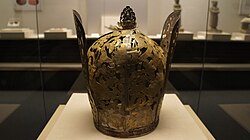
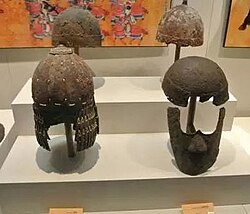
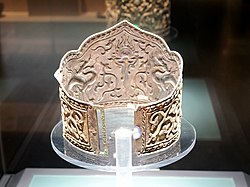
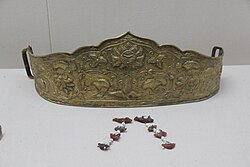
Artistic expression reached high levels of sophistication, particularly in metalwork and silk production. The Khitan elite adorned themselves with gilt silver crowns, gold wire phoenix crowns, and exquisite silk garments. Their burial customs were equally elaborate, often featuring highly decorated sarcophagi and metal-wire burial dresses that reflected the status of the deceased.
![Khitan gilt silver crown (male), from the Tomb of Princess of Chen State c. 1012-1021[34]](/images/a2/09/a2096303646b3df736922b16ad15c05e037989968fdfe87d6276800ee8e053e5.jpg)
A Summary of the Liao Dynasty
| Category | Details |
|---|---|
| Period | 916–1125 |
| Capital | Shangjing |
| Primary Languages | Khitan, Middle Chinese, Jurchen |
| Religions | Buddhism, Khitan Animism |
| Territory | 2,600,000 km² (Modern China, Mongolia, North Korea, Russia) |
| Successor State | Jin Dynasty |
The Fall of the Empire
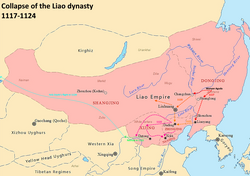
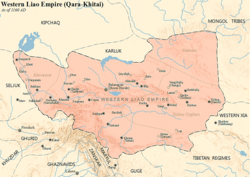
The decline of the Liao dynasty began in the early 12th century. The rise of the Jurchen tribes and the emergence of the Jin dynasty placed immense pressure on the Liao borders. By 1124, the empire was in a state of collapse; Emperor Tianzuo was captured by the Jin, and the imperial family was largely dismantled. While some Khitan groups fled west to establish short-lived successor states, the era of the Great Liao had effectively come to an end.
Key Facts
- The Liao dynasty was founded by Abaoji, who transitioned the Khitan people from a tribal confederation to a centralized empire.
- It was the first state to exercise control over the entirety of Manchuria.
- The Chanyuan Treaty of 1005 established a long-lasting peace between the Liao and the Northern Song dynasty.
- The Khitans developed two distinct writing systems: the Khitan large script and the Khitan small script.
- The empire was characterized by a blend of nomadic traditions and Buddhist religious practices.
Frequently Asked Questions

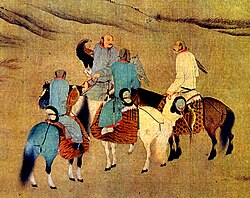
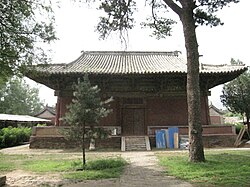
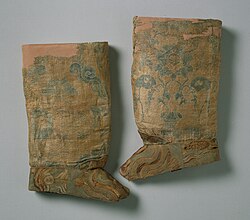
![Liao dynasty dragon crown, created in the Song dynasty and gifted to the Liao as tribute[118]](/images/ef/17/ef17caf2d3de590ec4fcc859082566b3f39e6dbc616c3f60b35a8f71b719cbc7.jpg)
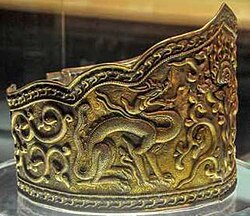
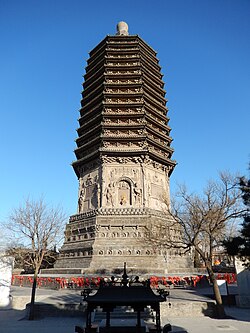
![The Pagoda of Fogong Temple, built by Emperor Daozong of Liao in 1056 at the site of his grandmother's family home.[128]](/images/c1/01/c101d71b0e5bcf50b90ac67f57c216a91ceff468c810bc80516975a7c8aebe14.jpg)
![Liao silver coin in Khitan large script translated as "天朝萬順" (Heavenly Dynasty – Myriad [affairs are] Favourable).](/images/af/ee/afeeeb33722570ad1faf657db7744659fff43fc90deef71120153abe1c94ec3f.jpg)
What were the two types of Khitan writing?
The Khitans used the Khitan large script (developed in 920) and the Khitan small script (developed in 925). Both scripts used a mix of logographs and phonographs.
Who was the most influential female figure in the Liao dynasty?
Empress Dowager Chengtian (Xiao Yanyan) was a highly capable ruler who served as regent for Emperor Shengzong. She was known for her political acumen and her ability to command large cavalry forces.
How did the Liao interact with the Song dynasty?
The relationship was characterized by both conflict and diplomacy. After significant military engagements, the two empires signed the Chanyuan Treaty in 1005, which recognized the Liao as peers and maintained peace for approximately 120 years.
What caused the collapse of the Liao dynasty?
The dynasty fell due to the rise of the Jurchen people and the subsequent emergence of the Jin dynasty, which led to the capture of the Liao emperor and the fragmentation of the empire.
What was the primary religion of the Khitan people?
The Khitan people practiced a combination of Buddhism and traditional Khitan animism.