Levelling Up: The Evolution of the UK's Regional Economic Policy
Levelling up was a cornerstone political strategy first introduced in the 2019 Conservative Party manifesto. Its primary objective was to reduce economic and social imbalances between different regions and social groups across the United Kingdom. The policy aimed to uplift disadvantaged areas without negatively impacting prosperous regions, such as those in South East England.
Overseen by the Department for Levelling Up, Housing and Communities, the initiative sought to redistribute opportunity and investment. While it began as a Conservative flagship, the concept saw bipartisan interest, with the Labour Party expressing a desire to tackle the same challenges, albeit while criticizing the original implementation as an "empty slogan."
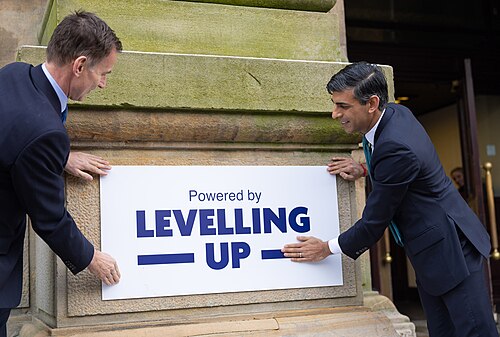
Key Facts
- Origin: First articulated in the 2019 Conservative Party manifesto.
- Primary Goal: To reduce economic imbalances between UK regions and social groups.
- Major Funding: Included a £4.8 billion Levelling Up Fund and a £3.6 billion Towns Fund.
- White Paper: Published on February 2, 2022, outlining 12 national missions to be achieved by 2030.
- Political Shift: Following the 2024 general election, the Labour government replaced the terminology with "local government" and introduced "Pride In Place" initiatives.
The Launch and Financial Framework
The operational phase of levelling up began with significant capital investments. In 2020, the Treasury announced the Levelling Up Fund, a £4.8 billion pot for local infrastructure. Local authorities were categorized into three tiers based on need and invited to bid for projects focusing on transport, high street regeneration, and cultural investments.
Other critical financial pillars included:
- The Towns Fund: A £3.6 billion investment targeting 101 specific towns.
- The Community Renewal Fund: Designed to replace European Structural and Investment Funds to support skills, employment, and local businesses.
- National Skills Fund: A £3 billion investment to enhance skills through apprenticeships.
Early Implementation and Results
In October 2021, Prime Minister Boris Johnson described the policy as the "greatest project that any government can embark on." The first £1.7 billion tranche of the Levelling Up Fund saw major grants awarded, including £49.6 million for the south Derby growth zone and £38.7 million for travel improvements in Renfrewshire, Scotland. However, early delivery lagged; in the 2021/2022 financial year, only £107 million was delivered against an original ambition of £600 million.
The Levelling Up White Paper and 12 Missions
Published on February 2, 2022, the official white paper framed levelling up as a "moral, social and economic programme." It established 12 specific missions to be met by 2030, focusing on systemic improvements across the country.
| Category | Specific Mission Goal |
|---|---|
| Economy | Increase pay, employment, and productivity |
| Infrastructure | London-style public transport and nationwide broadband |
| Education | Fixing the education gap and improving skills training |
| Health | Narrowing the life expectancy gap (rise of 5 years by 2035) and increasing wellbeing |
| Society | Decreasing inequalities and reducing crime |
| Housing | Increasing the number of first-time homebuyers |
| Governance | Further devolution in England |
Criticism and Political Challenges
Despite the ambitious goals, the policy faced significant scrutiny. Critics argued that small-scale local projects were insufficient to transform regional economies or create sustainable long-term employment. There were also concerns regarding the lack of involvement from devolved governments in Scotland, Wales, and Northern Ireland.
Political bias was a recurring point of contention. An analysis by The Guardian suggested that Conservative-run local authorities received higher per capita grants (£93) compared to Labour-run areas (£65), though the government disputed this, citing public funding criteria. Furthermore, the parliamentary Levelling Up, Housing and Communities Committee noted a lack of detail in the Levelling-up and Regeneration Bill, specifically regarding funding for digital connectivity and affordable housing.
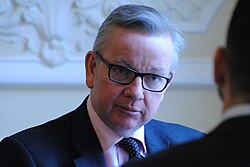
Former Secretary of State Michael Gove later attributed some of the lack of progress to "scepticism from other departments" regarding the devolution of policy areas.
Transition to "Pride In Place"
The political landscape shifted following the 2024 general election. The Labour Party, having previously dismissed the term "levelling up" as a slogan, moved to erase the phrase from official government use. The Department for Levelling Up, Housing and Communities was renamed the Ministry of Housing, Communities and Local Government.
Starting in February 2026, previous levelling up programmes are set to be replaced by "Pride In Place" initiatives, marking a transition in how the UK government approaches regional development and local empowerment.
Frequently Asked Questions
What was the primary goal of the Levelling Up policy?
The primary goal was to reduce economic and social imbalances between different regions and social groups across the UK, ensuring that opportunity was spread more equally without harming prosperous areas.
How much funding was allocated to the Levelling Up Fund?
The Treasury announced a £4.8 billion Levelling Up Fund for interim capital investment in local infrastructure, alongside other funds like the £3.6 billion Towns Fund.
What happened to the policy after the 2024 General Election?
The Labour government scrapped the "levelling up" terminology. The relevant department was renamed the Ministry of Housing, Communities and Local Government, and the policy framework transitioned toward "Pride In Place" initiatives.
What were the "12 missions" of the White Paper?
The 12 missions were targets to be achieved by 2030, covering areas such as increasing productivity, improving public transport and broadband, closing the education gap, and narrowing the life expectancy gap.
Why was the policy criticized?
Criticism centered on the belief that small projects could not drive long-term economic change, allegations of political bias in fund allocation, and a perceived lack of detail regarding affordable housing and digital connectivity.