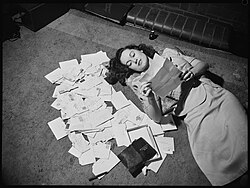
Letter Writing: The Evolution of Epistolary Communication
A letter is more than just a written message; it is a medium of connection between individuals or groups. In literary and historical terms, this form of communication is known as epistolary. While we typically think of letters as sheets of paper sent through a postal system, the practice encompasses a vast range of formal and informal exchanges that have served as both a store of information and a sophisticated art form throughout human history.
From the ancient mentions in the Iliad to the diplomatic archives of the Byzantine Empire, letters have allowed humanity to bridge distances and preserve thoughts. Whether used for business, diplomacy, or intimate personal reflection, the act of writing a letter has evolved alongside technology and social norms.
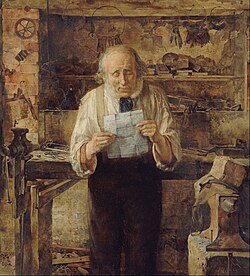
Key Facts
- Universal Reach: Letters have been used since antiquity in civilizations including ancient India, Egypt, Sumer, Rome, Greece, and China.
- Diverse Materials: Before paper, letters were written on metal, lead, wax-coated wood, pottery, animal skin, and papyrus.
- The Great Age: The 1700s are considered the "Great Age of Letter Writing," seeing the rise of the epistolary novel.
- Historical Value: Correspondence archives serve as primary sources for historians to understand daily life and state secrets.
- Modern Decline: Digital communication has significantly reduced letter volume; for example, Denmark's PostNord announced the end of letter mail deliveries by late 2025.
The History of Letter Writing
Ancient and Medieval Foundations
In the ancient world, the medium was often dictated by availability. While papyrus was common, some writers used unconventional methods; Ovid records that Acontius once used an apple to send a message to Cydippe. These early communications were essential for sending news, greetings, and critical ideas.
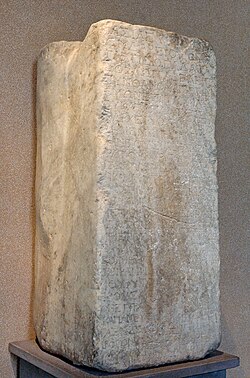
During the medieval period, family letter collections became vital. Historians today study these archives to gain insight into daily life. Notable examples include the Paston Letters (1425–1520 CE), which provide a window into Britain during the Wars of the Roses, as well as the Stonor, Plumpton, and Cely collections.
The 1700s: The Great Age of Letter Writing
The 18th century marked a peak in the cultural importance of the letter. This era saw the birth of the epistolary novel—a story told through a series of documents—which allowed readers to peek into the private thoughts and identities of characters. Figures of the time used letters to carefully curate their public personas, much like modern social media users.
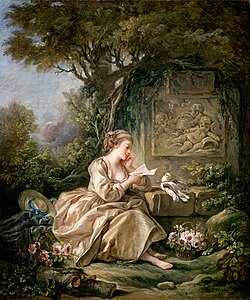
For women of the 1700s, letter writing was a powerful tool for self-expression and intellectual engagement. It provided a voice and a means of forming friendships outside the domestic sphere, allowing them to establish an identity separate from their husbands.
However, writing was a costly and labor-intensive process. Postage was often paid during transit, leading writers to be extremely cautious with page counts to avoid overcharges. In the United States, the popularity of letters surged following the Postal Act of 1845, which lowered costs, and the introduction of wood-pulp paper.
Letters as Historical and Legal Evidence
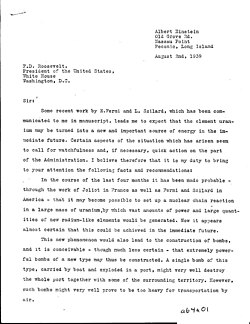
In the field of historiography (the study of historical writing), letters are indispensable. They offer a raw look at changing concepts of privacy, trust, and secrecy. Because letters were often subject to state censorship, those preserved in government archives reveal not only the author's intent but also how state officials interpreted the content.
Security and Privacy
To prevent tampering, various security methods were developed. Sealing wax and adhesive wafers were common, while government and royal courts used complex letterlocking techniques, such as spiral locking. Modern security envelopes use printed ink patterns on the interior to prevent "candling"—the act of holding a letter to a light to read it without opening it.
The Shift to Digital Communication
The primacy of the letter was first challenged by the telegraph and telephone, and later by the fax machine and email. While electronic mail is faster and cheaper, traditional letters maintain several distinct advantages.
| Feature | Paper Letters | Electronic Mail (Email) |
|---|---|---|
| Delivery Speed | Days to weeks | Instant |
| Physical Record | Permanent physical copy | Digital file (requires hardware) |
| Security | Harder to falsify (signatures) | Susceptible to malware/interception |
| Personal Touch | High (handwriting/physical objects) | Lower (standardized fonts) |
| Cost | Postage and materials required | Generally free/low cost |
![An unconventional delivery method is shown by this message in a bottle. This bottle and its contents (sample postcard and insert shown above) were launched into the Atlantic Ocean in 1959 by the United States Coast and Geodetic Survey and were found in 2013 at a beach on Martha's Vineyard.[16]](/images/ac/93/ac932f482073a742d19c119d92498d2b4c3d2308406c26b1cf06bcaeb98d76db.png)
The Delivery Process
The journey of a traditional letter involves several structured steps:
- Composition: The sender writes the letter and places it in an envelope with the recipient's address and a postal code.
- Postage: A stamp is attached, or a franking machine is used for commercial mail.
- Sorting: The letter is collected from a postbox and sent to a sorting office, where it is routed to the local delivery office.
- Final Delivery: Local personnel deliver the letter to the address or hold it for collection.
While this process is usually efficient, anomalies occur. In 2008, a letter allegedly posted in 1919 was delivered in the UK 89 years late, though the Royal Mail suggested it may have been a collector's item that escaped its outer packaging.
Frequently Asked Questions
What does the term "epistolary" mean?
Epistolary refers to anything relating to the writing of letters. In literature, an epistolary novel is a story told through documents, typically letters, but sometimes diary entries or newspaper clippings.
Why were letters so important for women in the 18th century?
Letter writing provided women with a rare opportunity to express their intelligence, form independent friendships, and establish a personal voice and identity separate from their domestic roles.
How did people ensure letters weren't read by others?
Historically, people used sealing wax or complex letterlocking techniques. Modern security envelopes use internal ink patterns to prevent people from reading the contents by holding the paper up to a light.
Are paper letters still used in professional settings?
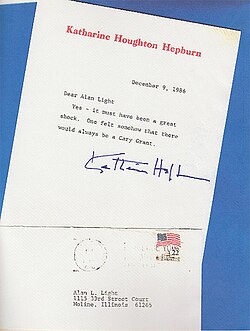
Yes, letters remain popular for official and business communications because they provide a permanent physical record and are more difficult to falsify than emails, especially when they include a physical signature.
What is the difference between a letter and an open letter?
A typical letter is a private communication between a sender and a specific recipient. An open letter is written to a specific person but is intended to be read by a large public audience, similar to a newspaper piece.