Lech Wałęsa: The Electrician Who Led Poland to Democracy
Lech Wałęsa is one of the most iconic figures of the 20th century, a man whose journey from a shipyard electrician to the President of Poland symbolizes the triumph of the human spirit over totalitarianism. As the leader of Solidarity (Solidarność), the first independent trade union in a Soviet-bloc country, Wałęsa became the face of a movement that eventually dismantled the Marxist-Leninist state socialism in Poland.
His legacy is a complex blend of revolutionary courage, political leadership, and enduring controversy, marking the transition of Poland into a market-based liberal democracy.
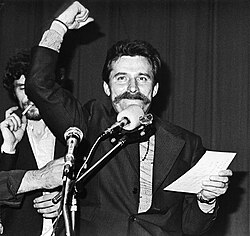
Key Facts
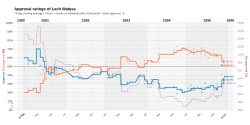
- Role: Former President of Poland (1990–1995) and Chairman of Solidarity (1980–1991).
- Profession: Originally trained as an electrician.
- Major Achievement: Led the Solidarity movement and the Round Table Agreement, ending communist rule in Poland.
- Political Transition: Presided over Poland's shift from state socialism to a liberal democracy.
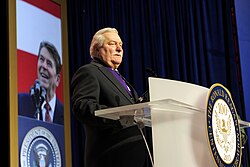
- Global Recognition: Recipient of the Nobel Peace Prize and the Ronald Reagan Freedom Award.
The Rise of Solidarity
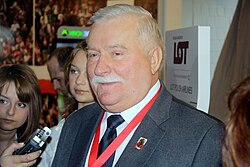
The turning point in Wałęsa's life occurred in August 1980 at the Lenin Shipyard in Gdańsk. He emerged as a charismatic leader during the strikes, leading to the signing of the Gdańsk Agreement on August 31, 1980. This agreement allowed for the creation of Solidarity, an independent self-governing trade union.
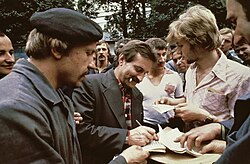
Despite the initial success, the movement faced a severe crackdown when martial law was imposed in Poland. Wałęsa was arrested and detained, but his influence only grew. Following his release, he remained a central figure in the opposition, eventually helping to negotiate the Round Table Agreement. This historic compromise led to the semi-free parliamentary elections of 1989 and the installation of a Solidarity-led government.
Presidency and Political Leadership
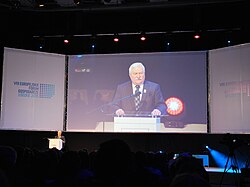
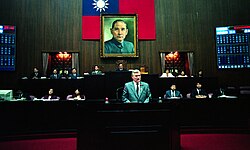
On December 22, 1990, Lech Wałęsa was elected President of Poland, succeeding Wojciech Jaruzelski and Ryszard Kaczorowski. His presidency (1990–1995) was defined by the difficult task of managing the transition from a planned economy to a market-based system.
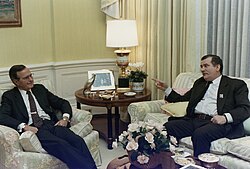
While he successfully steered the nation through its early democratic years, his political style and the challenges of the era led to a narrow defeat in the 1995 presidential election, where he was succeeded by Aleksander Kwaśniewski.
Post-Presidency and Later Life
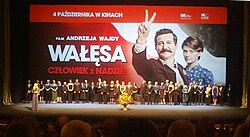
After leaving the presidency, Wałęsa focused on promoting democratic values globally. In 1995, he established the Lech Wałęsa Institute, a think tank dedicated to popularizing the achievements of Solidarity and educating young generations on civil society.
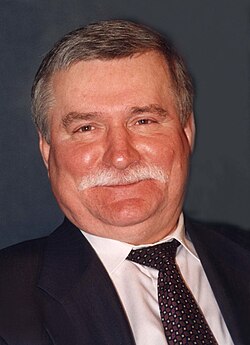
Wałęsa attempted a political comeback by founding the Christian Democracy of the Third Polish Republic in 1997. However, his 2000 presidential bid ended in a crushing defeat, with only 1.01% of the vote, prompting his withdrawal from active Polish politics.
Summary of Political Career
| Position | Tenure | Key Outcome |
|---|---|---|
| Chairman of Solidarity | 1980–1991 | Established first independent union in Soviet bloc |
| President of Poland | 1990–1995 | Managed transition to liberal democracy |
| Chairman of Nonpartisan Bloc for Support of Reforms | 1993–1997 | Post-presidential political alignment |
| Chairman of Christian Democracy of the Third Polish Republic | 1997–2001 | Final attempt at electoral politics |
Controversies and Allegations
Wałęsa's legacy has been shadowed by allegations regarding his relationship with the communist-era secret police (SB). Documents from the Kiszczak archives and research by the Institute of National Remembrance (IPN) suggest that he may have collaborated with the security services under the codename "Bolek" in the early 1970s.
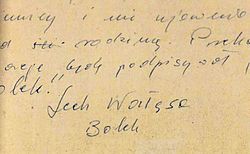
Wałęsa has consistently denied these claims, asserting that the documents were forged. Despite various court rulings and historical debates, he remains a symbol of freedom for many around the world, continuing to speak on global democracy and human rights.
Frequently Asked Questions
What was the significance of the Solidarity movement?
Solidarity was the first independent trade union in a Warsaw Pact country. It challenged the monopoly of the Communist Party and served as the catalyst for the eventual collapse of communist regimes across Eastern Europe.
When did Lech Wałęsa serve as President of Poland?
Lech Wałęsa served as the President of Poland from December 22, 1990, to December 22, 1995.
What is the Lech Wałęsa Institute?
Founded in 1995, it is a think tank aimed at promoting democracy, building civil society, and educating the public about the achievements of the Polish Solidarity movement.
What are the "Bolek" allegations?
These are claims based on secret police archives suggesting that Wałęsa collaborated with the Polish Security Service (SB) in the early 1970s. Wałęsa has denied these allegations, claiming the evidence was forged.
Which major awards has Lech Wałęsa received?
Among his many honors, he is most notably a Nobel Peace Prize laureate and a recipient of the Ronald Reagan Freedom Award.