Leather Production: Tanning Methods, Grades, and Environmental Impact
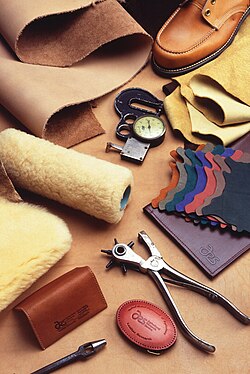
Leather is a strong, flexible, and durable material created through tanning—a chemical treatment of animal skins and hides designed to prevent decay. This ancient craft has been practiced for over 7,000 years, evolving from traditional methods to large-scale industrial processes. Today, China and India stand as the world's leading producers of this versatile material.
From high-fashion apparel and luxury handbags to rugged footwear and automotive upholstery, leather is prized for its ability to last for decades. While primarily sourced from cattle, it is also derived from sheep, goats, pigs, equine animals, buffalo, ostriches, and aquatic creatures like alligators and seals.
Key Facts
- Primary Source: Cattle hides account for approximately 65% of all leather production.
- Common Methods: Chrome tanning is the most prevalent modern method due to its speed and efficiency.
- Durability: Leather typically takes 25 to 40 years to biodegrade, significantly faster than synthetic alternatives.
- Leading Producers: China and India are the top global producers of leather.
- Environmental Concern: Improperly managed tanneries can release toxic chromium and sulfides into local water systems.
Tanning Methods and Processes
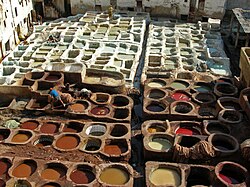
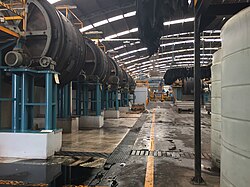
The primary difference between various types of leather lies in the chemicals used in the tanning liquor. The most common industrial approach is chrome tanning, which utilizes chromium sulfate and other chromium salts.
Chrome-Tanned Leather
Often referred to as "wet blue" due to the pale blue hue of the undyed hide, chrome tanning is the industry standard for large-scale production. Developed in the late 19th century to increase waterproofing and speed up production, this process can be completed in approximately one day. The resulting leather is more supple, pliable, and water-resistant than vegetable-tanned alternatives.
However, this method raises environmental concerns. While trivalent chromium is harmless, the process can produce toxic variants of the heavy metal if not managed correctly.
Traditional and Regional Tanning
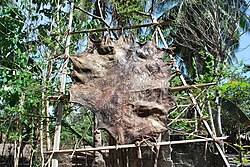
Historically, different regions developed unique specialties. For example, goat leather was often associated with the Middle East and referred to as "Morocco" or "Turkey" leather. In Germany, pigskin was historically the most utilized material.
Understanding Leather Grades
Not all leather is created equal. Depending on which part of the hide is used and how it is treated, leather is categorized into several grades:
- Split Leather: Created from the corium (the lower layer) after the top-grain has been removed. Thicker hides may be further divided into middle and flesh splits.
- Bicast Leather: A type of split leather coated with a polyurethane or vinyl layer. This embossed texture mimics a natural grain, providing a more consistent appearance and slightly more stiffness than top-grain leather.
- Patent Leather: Known for its high-gloss finish, this leather is coated with a lacquer. While early versions used linseed oil (developed for mass production by Seth Boyden in 1818), modern versions are typically bicast.
- Bonded Leather: Also known as reconstituted leather, this is made by shredding leather scraps and bonding them with latex or polyurethane onto a fiber mesh. The leather content can range from 10% to 90%.
Animal Sources and Specializations
While bovine hides dominate the market, other animals provide specific properties suited for different uses.
| Animal Source | Approx. Market Share | Common Uses / Characteristics |
|---|---|---|
| Cattle (Cow) | 65% | General purpose, upholstery, footwear |
| Sheep | 13% | Soft apparel, luxury goods |
| Goats | 11% | Historically "Morocco" leather, durable goods |
| Pigs | 10% | Bookbinding, industrial use |
| Ostrich | <1% | Distinct "goose bump" follicles; luxury accessories |
| Fish | <1% | High strength due to criss-crossed fibers |
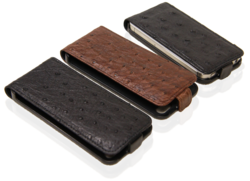
Specialty leathers include lamb and deerskin for expensive, soft apparel, with deerskin being particularly popular for indoor shoes and work gloves. Ostrich leather is highly valued for its unique follicle pattern and is used in automotive products and high-end clothing.

Environmental and Health Impacts
The leather industry faces significant criticism regarding sustainability and pollution. The environmental footprint is divided into several key areas:
Carbon and Water Footprints
Bovine leather production is estimated to generate between 65 and 150 kg of CO2 equivalent per square meter. Water usage is equally intensive; one ton of hide can produce 20 to 80 cubic meters of wastewater containing sulfides (200–800 mg/L) and chromium (100–400 mg/L), along with pathogens and fats.
Chemical Waste and Disposal
In regions with lax regulations, illegal dumping is common because treating effluent is more expensive than discharging it. For example, in 2001, proper abatement in Croatia cost $70–100 per ton, while irresponsible disposal cost only $43. This has led to severe pollution in areas like Kanpur, India, and the Hazaribagh neighborhood of Dhaka, Bangladesh, where government interventions have occasionally forced the closure of hundreds of high-polluting tanneries.
Despite these challenges, advanced technologies can reduce chromium loads from 8 kg to 1.5 kg per tonne and VOC emissions from 30 kg/t to 2 kg/t. However, even a residual load of 0.15 kg/t can complicate landfill and composting regulations.
Preservation and Care
Leather is susceptible to environmental damage. Relative humidity below 40% can cause desiccation, which irreversibly alters the fibrous structure. Additionally, ultraviolet light, ozone, and acidic pollutants can cause chemical damage, a process that accelerates at higher temperatures.
Frequently Asked Questions
What is the difference between chrome-tanned and vegetable-tanned leather?
Chrome-tanned leather is produced using chromium salts, making it faster to produce, more supple, and more water-resistant. Vegetable tanning is a slower process that results in a stiffer leather that may discolor or lose shape more easily when exposed to water.
How long does leather take to decompose?
Leather typically biodegrades within 25 to 40 years. This is significantly faster than synthetic materials like vinyl or petrochemical-derived plastics, which can take 500 years or more to decompose.
What is bonded leather?
Bonded leather is a reconstituted material made from shredded leather scraps mixed with polyurethane or latex and bonded to a fiber mesh. It contains between 10% and 90% actual leather fibers.
Why is the leather industry considered polluting?
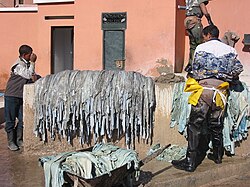
The industry uses heavy metals like chromium and chemicals like sulfides in the tanning process. If wastewater is not properly treated, these toxins enter local rivers and soil, posing health risks to workers and residents.
Which animals are most commonly used for leather?
Cattle are the primary source, accounting for about 65% of production, followed by sheep (13%), goats (11%), and pigs (10%).