Leafy Greens: A Comprehensive Guide to Edible Plant Leaves
Leaf vegetables, commonly referred to as leafy greens or vegetable greens, encompass a vast array of plant leaves consumed as food. Depending on how they are prepared, these plants are categorized into two main groups: salad greens, which are eaten raw, and pot herbs, which are cooked.
With nearly 1,000 known species of plants possessing edible leaves, the variety is staggering. Most of these come from short-lived herbaceous plants, such as spinach and lettuce, though some originate from woody plants. While many fodder crops—such as alfalfa, clover, and various grasses—are technically edible for humans, they are typically consumed only during times of famine or through intensive food processing like drying, grinding, or juicing.
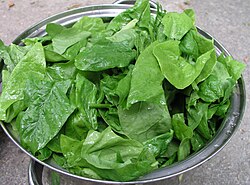
Key Facts
- Nearly 1,000 plant species have edible leaves.
- Leafy greens are exceptionally high in vitamin K due to their photosynthetic nature.
- Postharvest diseases can cause up to 50% loss in leaf vegetable yields.
- Preparation methods range from raw salads and smoothies to stewing and steaming.
- Certain greens, like pokeweed, require specific boiling processes to remove toxins.
Nutritional Profile and Health Considerations
Leaf vegetables are nutrient-dense powerhouses. Using spinach as a primary example, these greens are typically low in calories and fat while being high in dietary fiber, vitamin C, folate, manganese, and pro-vitamin A carotenoids.
A defining characteristic of leafy greens is their high concentration of vitamin K. Because these are photosynthetic tissues, they contain high levels of phylloquinone, a form of vitamin K essential for photosynthesis. However, this high concentration has medical implications: individuals taking vitamin K antagonist medications, such as warfarin, must carefully monitor and limit their consumption of these vegetables to avoid drug interactions.
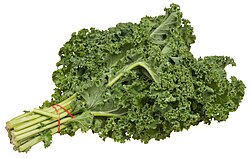
Global Culinary Traditions
Leafy greens are a staple in cuisines across the globe, prepared in diverse ways to suit local tastes and available ingredients.
Africa and the Mediterranean
In various African nations, nutritious amaranth species are widely consumed, with Lagos spinach (*Celosia argentea var. argentea*) being a staple in West African cooking. In Greece, a dish known as khorta consists of at least 80 different types of greens, such as dandelion, chicory, and wild sorrel, typically seasoned with olive oil and lemon.
Europe and Asia
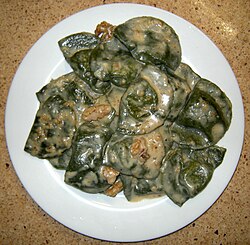
Italian cuisine features preboggion, a mixture of wild boiled leaves used to stuff pasta like pansoti. In Poland, the soup botwinka highlights the use of beet stems and leaves. Asian cuisines utilize a wide range of greens, including bok choy, napa cabbage, and various types of spinach.
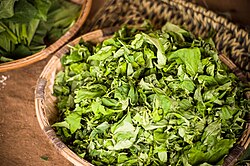
The United States
In the Southern United States and traditional African-American cuisine, greens such as collard, turnip, and mustard are often stewed with pork. The nutrient-rich liquid left after boiling is known as potlikker. Meanwhile, Italian-American traditions include dishes like Utica greens, which feature sautéed escarole.
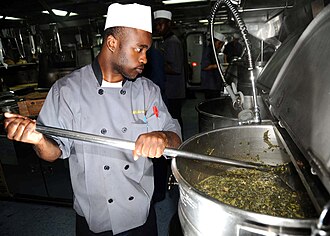
Managing Postharvest Quality
Maintaining the freshness of leafy greens is a significant challenge, as postharvest diseases—caused by fungi, bacteria, and occasionally viruses—can result in losses of up to 50%. To mitigate these losses, producers rely on temperature-controlled storage and the prevention of mechanical damage, which can create entry points for pathogens.
| Plant Name | Common Name/Type | Region/Context |
|---|---|---|
| Spinacia oleracea | Spinach | Central and Western Asia |
| Brassica oleracea | Kale, Collard Greens, Cabbage | Global |
| Lactuca sativa | Lettuce | Global |
| Eruca sativa | Arugula (Rocket) | Mediterranean |
| Nasturtium officinale | Watercress | Europe and Asia |
| Beta vulgaris | Beet greens, Swiss chard | Global |
Frequently Asked Questions
What is the difference between salad greens and pot herbs?
Salad greens are leaf vegetables intended to be eaten raw, whereas pot herbs are leaf vegetables that are cooked.
Why should people on blood thinners be careful with leafy greens?
Leafy greens are very high in vitamin K. Because vitamin K plays a role in blood clotting, it can interfere with the effectiveness of vitamin K antagonist medications like warfarin.
How can I prevent spoilage in leafy vegetables?
The most effective methods include using temperature-controlled storage and avoiding mechanical damage to the leaves, which helps prevent the entry of bacteria and fungi.
Is it safe to eat all types of leafy greens?
While most are safe, some require specific preparation. For example, pokeweed must be boiled thoroughly in ample water to remove toxins; the boiling water should then be discarded.
What are some common ways to prepare greens?
Leafy greens can be eaten raw in salads or smoothies, or cooked via stir-frying, stewing, steaming, or boiling.