Le Coq Sportif: The History and Legacy of the French Athletic Rooster
Le Coq Sportif (French for "the athletic rooster") is a storied French manufacturer of sportswear and sports equipment based in Entzheim. Founded in 1882 by Émile Camuset, the brand has evolved from a woolen industry venture into a global symbol of French athletic excellence. Its identity is deeply rooted in national pride, drawing its name and trademark from the Gallic rooster, a traditional national symbol of France.
Today, the company operates as a subsidiary of the Swiss-based investment firm Airesis S.A., which holds a 69% stake. The brand continues to produce a diverse range of products, including high-performance sportswear, casual clothing, and footwear.
Key Facts
- Founded: 1882 by Émile Camuset.
- Headquarters: Entzheim, France.
- Parent Company: Airesis S.A. (Swiss investment firm).
- 2019 Revenue: €132.2 million.
- Core Products: Sportswear, casual apparel, and footwear.
- Iconic Achievement: Official supplier of the Tour de France yellow jersey since 1951.
The Evolution of a French Icon
Foundations and Early Innovation
The company began in 1882 within the woolen industry. Under the guidance of the Camuset family, the business transitioned into sportswear, establishing a factory in Romilly-sur-Seine. By 1929, the brand released its first catalog, which focused heavily on cycling jerseys. A decade later, in 1939, Le Coq Sportif pioneered the first-ever tracksuit, known as the chándal or "Sunday clothing."
The Golden Era of the 1950s and 60s
The 1950s marked a period of rapid ascent. In 1951, the brand secured a landmark deal to produce the yellow jersey for the Tour de France. This partnership was cemented by the success of Louison Bobet, who won three consecutive Tours from 1953 to 1955 while wearing the brand. During this era, the company also became the official kit provider for the French national football and rugby teams, and outfitted French athletes at the 1960 Rome Summer Olympics.
In 1966, Le Coq Sportif became the largest sports brand in France and introduced its now-famous triangular logo featuring the rooster on the yellow jersey, making it one of the first manufacturers to prioritize visible branding.
![Former logo, used (with slight variations) from 1968 to 2012, when the gallic rooster was restyled.[8] This logo remains in use in China, South Korea and Japan.](/images/ca/db/cadb726de149b6dafcd41956338b6f64e88c7a5987a27fd3d449d0c6831c0b9a.png)
The Adidas Conflict and Recovery
In 1966, the company entered a partnership with Adidas to produce "three stripes" apparel in France, while Adidas focused on footwear. However, this led to a fierce legal battle in the 1970s when Adidas began selling its own textiles in France, discovering that the Camuset family had registered the three stripes symbol locally. Although Le Coq Sportif won the lawsuit, Adidas retaliated by sponsoring cycling star Eddy Merckx, severely eroding the brand's market share.
To save the company, the French government appointed entrepreneur André Guelfi. A secret agreement was reached where Adidas took a controlling stake in exchange for assistance in rebuilding the brand. This support helped Le Coq Sportif regain prominence in the 1980s, notably when tennis star Yannick Noah won the French Open in 1983.
Ownership Shifts and Modern Era
Following the death of Adidas leader Horst Dassler in 1987, the company entered a period of instability. It passed through the hands of Bernard Tapie and the US-based Brown Shoe company, and later faced leadership scandals under Oliver Jacques. In 2005, the brand was relaunched by Robert Louis-Dreyfus via Airesis. By 2010, production was centralized back in the original Romilly-sur-Seine factory.
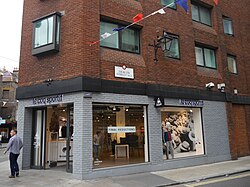
Recent Challenges in the 2020s
Despite producing uniforms for the French Olympic and Paralympic teams at the 2024 Summer Games, the company has faced significant financial distress. On November 22, 2024, Airesis placed Le Coq Sportif into receivership to reorganize the business following consecutive quarterly losses. The company has also dealt with a €5.3 million lawsuit from the French Rugby Federation for unpaid fees and relied on emergency loans from the French government and the Paris Organising Committee in 2023.
Global Sporting Legacy
Le Coq Sportif has a rich history of sponsoring world-class athletes and teams across multiple disciplines. In football, the brand provided kits for the 1982 Italian and 1986 Argentine World Cup-winning teams.
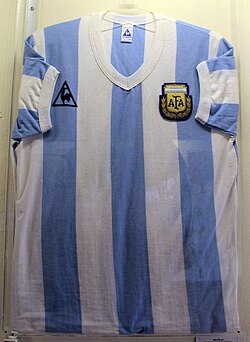
The brand's influence extended to English football with partnerships involving Tottenham Hotspur, Aston Villa, Chelsea, and Everton. In Brazil, it dressed Fluminense and Atlético Mineiro, the latter winning the Brazilian Championship in 2021. In tennis, the brand is remembered for outfitting Arthur Ashe during his 1975 Wimbledon victory, leading to the launch of the Arthur Ashe sneaker line.
International Market Adaptations
To succeed in Asia, the brand employed local designers in Japan and Korea. In Japan, they collaborated with Sou for handmade tabi (traditional split-toe footwear) and designer Kamishima Chinami. In Korea, a partnership with Peugeot led to the "Peugeot 207cc" shoe; however, a manufacturing fault caused the stitching to fail when exposed to water, resulting in a costly recall in 2009.
| Category | Details |
|---|---|
| Founder | Émile Camuset |
| Founded Year | 1882 |
| Headquarters | Entzheim, France |
| Parent Company | Airesis S.A. (69% stake) |
| Key Products | Sportswear, Clothing, Footwear |
| Revenue (2019) | €132.2 million |
Frequently Asked Questions
What is the meaning behind the Le Coq Sportif name?
The name translates to "the athletic rooster," and the brand's trademark is based on the Gallic rooster, which is a national symbol of France.
Which famous cycling event is the brand most associated with?
Le Coq Sportif is most famous for its long-standing association with the Tour de France, specifically as the manufacturer of the iconic yellow jersey since 1951.
Who currently owns Le Coq Sportif?
The company is a subsidiary of Airesis S.A., a Swiss-based investment company that holds a 69% stake in the brand.
What happened to the company in 2024?
On November 22, 2024, the company was placed into receivership by its majority owner, Airesis, to undergo reorganization following financial losses and legal disputes over unpaid sponsorship fees.
Which world-winning football teams have worn Le Coq Sportif?
The brand supplied the kits for the Italian national team that won the 1982 FIFA World Cup and the Argentine national team that won the 1986 FIFA World Cup.