Korean Traditional Alcoholic Drinks
Korea possesses a rich heritage of alcoholic beverages, most of which are rooted in the fermentation of rice. These drinks are typically crafted using nuruk, a wheat-based starter containing the enzyme amylase, which works alongside yeast to convert starches into alcohol. From the milky textures of rustic farmhouse brews to the crystal clarity of refined spirits, Korean liquors reflect the country's geography, seasons, and medicinal traditions.
Key Facts
- Nuruk is the essential wheat-based fermentation agent used in most traditional rice wines.
- Makgeolli is the oldest traditional rice wine, known for its milky appearance and low alcohol content (6-7%).
- Soju is the most popular liquor in Korea, originally introduced via Mongol invaders in the 13th century.
- Yakju refers to refined, clear rice wines, often infused with medicinal herbs or flowers.
- Gwasil-ju encompasses a wide variety of fruit wines made from seasonal berries, plums, and raspberries.
Rice Wines: The Foundation of Korean Brewing
Rice wines are broadly categorized by their clarity and texture, ranging from unfiltered "milky" wines to refined "clear" versions.
Milky Rice Wines (Takju)
Makgeolli (also called takju or nongju) is a sweet, milky-white drink with an alcohol content of six to seven percent. Because it is naturally fermented and unfiltered, it retains a chalky residue and a slightly tangy flavor. Historically mentioned as early as the founding of the Goguryeo Kingdom, it is brewed using a two-step process: the seed mash (to activate yeast and enzymes) and the main mash (to develop aroma and taste).
Due to its fermentation process, Makgeolli contains vitamin B, inositol, choline, over 10 amino acids, and 1.9 percent protein. It is traditionally believed to improve complexion, relieve fatigue, and boost metabolism.
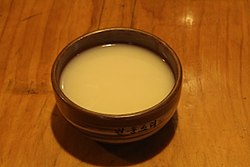
Regional variations include dongdongju, a creamier version from Gyeonggi Province, and ihwaju (pear-blossom wine), which is brewed during the pear-blossom season and can be so thick it is eaten with a spoon. A similar sweet drink is known as Gamju.
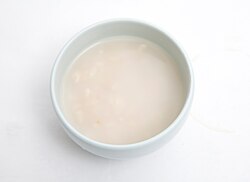
Clear Rice Wines (Cheongju)
Cheongju, or yakju, is a refined rice wine made from steamed rice that has undergone multiple fermentation stages. Unlike the cloudy takju, cheongju is prized for its clarity. Examples include baekhaju (made from glutinous rice) and heukmiju (made from black rice).
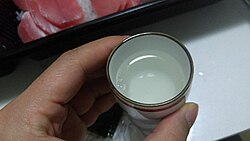
Yakju is often customized with botanical additives: gukhwaju uses chrysanthemum, dugyeonju uses azalea, songsunju uses pine sprouts, and ywonyeopju uses lotus leaves. A popular commercial brand of this style is Chung Ha.
Flavored and Medicinal Liquors
Korean tradition often blends alcohol with nature to create gahyanggokju (flavored grain wines) and yagyongju (medicinal liqueurs).
Flower and Herbal Wines
Many wines are produced from seasonal blooms, including acacia, peach blossoms, and wild roses. Baekhwaju is a notable variety infused with 100 types of dried flowers. Dugyeonju, made from azalea petals in Chungcheong Province, is a sweet, viscous wine with approximately 21 percent alcohol and is recognized as an Important Intangible Cultural Property.
Medicinal and Tonic Wines
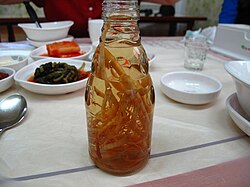
Medicinal wines combine alcohol with roots, seeds, and herbs. Baekse-ju is a popular modern choice infused with ginseng, licorice, and omija. Other specialized tonics include:
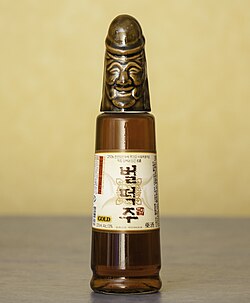
- Beolddeok ju: A rice wine with pumpkin malt and herbs, believed to increase male stamina.
- Insamju: A ginseng-based wine popular among older generations.
- Bem ju: A folk remedy made by aging a snake in distilled liquor.
- Chuseongju: A rice wine featuring omija and Eucommia ulmoides.
Distilled Spirits and Fortified Wines
Distillation transforms fermented rice wines into potent spirits, the most famous being soju.
Soju and Other Distillates
Soju is a clear, slightly sweet spirit made from grains or starches (such as potatoes or tapioca). While similar to vodka, it contains added sugar for a smoother taste. It typically has an alcohol content of 20 percent (40 proof). Introduced by Mongols in the 13th century (derived from the Arabic araq), it has become the "common people's drink."
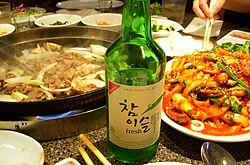
Other distilled varieties include Hongju, a red liquor from Jindo island made with red gromwell, and Munbae-ju, a fragrant 40 percent alcohol spirit made from millet, sorghum, and wheat.
Fortified Wines
Honju is created by adding soju to a grain-based brew. Examples include gwaha-ju and songsun-ju.
Fruit Wines and Modern Additions
Gwasil-ju (fruit wine) is produced by infusing alcohol with seasonal fruits. Popular varieties include maesil-ju (plum) and bokbunja-ju (black raspberry).
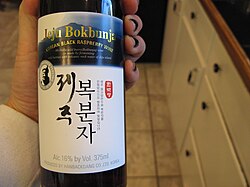

The choice of fruit typically follows the calendar: azaleas and peaches in spring, lotuses and roses in summer, and apples or yuzu in autumn.
Additionally, beer (maekju) was introduced to Korea by Europeans and is now produced by several domestic breweries.
| Category | Key Example | Primary Ingredients | Characteristics |
|---|---|---|---|
| Milky Rice Wine | Makgeolli | Rice, Nuruk, Water | Cloudy, sweet, 6-7% ABV |
| Clear Rice Wine | Cheongju / Yakju | Steamed Rice, Yeast | Refined, clear, often botanical |
| Distilled Spirit | Soju | Grains or Starches | Clear, sweet, ~20% ABV |
| Fruit Wine | Bokbunja-ju | Black Raspberries, Alcohol | Sweet, fruit-forward |
| Medicinal Wine | Insamju | Ginseng, Alcohol | Health-focused, tonic |
Frequently Asked Questions
What is the difference between Makgeolli and Cheongju?
Makgeolli is an unfiltered, milky rice wine with a lower alcohol content, while Cheongju is a refined, clear rice wine that has undergone further fermentation and filtration.
What is nuruk and why is it important?
Nuruk is a wheat-based fermentation starter that provides the amylase enzymes necessary to break down rice starches into sugars, which the yeast then converts into alcohol.
Where did Soju originate?
Soju originated in Arabia (as araq) and was brought to Korea by Mongol invaders during the 13th century Goryeo dynasty.
What are the health benefits associated with Makgeolli?
Makgeolli contains protein, vitamin B, inositol, and various amino acids. It is traditionally reported to help relieve fatigue, increase metabolism, and improve the complexion.
What is the difference between Yakju and Gwasil-ju?
Yakju is a clear rice wine that may be infused with medicinal herbs or flowers, whereas Gwasil-ju is specifically a fruit wine made by combining berries or fruits with alcohol.