Korean Folk Village: A Living Museum of Joseon Dynasty Culture
Located in the city of Yongin, a satellite city within the Seoul Metropolitan Area of Gyeonggi province, the Korean Folk Village (Hanguk minsokchon) serves as a premier living museum. Opened on October 3, 1974, after groundbreaking in 1973, this expansive attraction offers visitors a tangible connection to South Korea's ancestral roots. Situated near Everland, the country's largest amusement park, it has become a staple destination for both domestic and international tourists seeking an authentic glimpse into the past.
The village is meticulously designed to replicate a settlement from the late Joseon period (the final dynasty of Korea). To achieve this authenticity, real houses from various regions across the country were relocated and restored on-site. Spanning 300,000 Korean pyeong (approximately 245 acres), the village features over 260 traditional houses that reflect the diverse social hierarchies of the era, including the dwellings of peasants, landowners, and the yangban (the traditional ruling class).
Key Facts
- Established: October 3, 1974.
- Location: Yongin, Gyeonggi Province, South Korea.
- Size: 300,000 Korean pyeong (245 acres).
- Architecture: Over 260 restored houses from the late Joseon Dynasty.
- Purpose: Preservation of traditional Korean architecture, food, and clothing against rapid westernization.
History and Cultural Preservation
The Korean Folk Village holds the distinction of being the first open-air museum constructed in South Korea. Its creation was a direct response to the rapid industrialization and westernization that swept through Korea during the 1960s. By relocating and restoring authentic buildings from various provinces, the village ensures that traditional customs and architectural styles are preserved for future generations.
Living Culture and Interactive Experiences
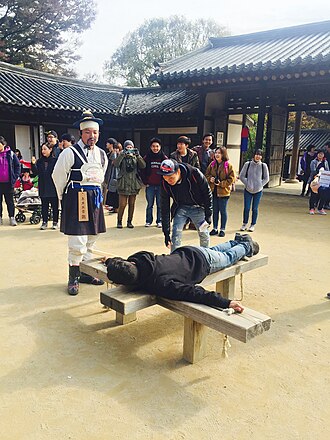
Rather than a static display, the village functions as a living environment. Staff members dress in period-accurate costumes to portray various Joseon-era characters, such as Sato (governors), Daejanggeum (royal palace figures), Geosang (business magnates), and the kumiho (a legendary nine-tailed fox).
Traditional Performances
Visitors can witness four primary cultural performances, each staged twice daily:
- Nong-ak: A traditional farmers' dance and music play.
- Tightrope walking: A display of balance and skill.
- Horseback martial arts: Dynamic equestrian displays.
- Traditional weddings: Authentic ceremonies that are also available for booking.
Hands-on Activities
Beyond the shows, the village offers a variety of immersive experiences, including natural dyeing, horseback riding, ferry trips, and traditional craft workshops where visitors can explore Joseon-period woodworking and metalworking.
Facilities and Attractions
The village is divided into several functional areas designed to entertain and educate. The Jumak (traditional street market) features snack bars serving a mix of traditional and modern treats, such as Imsil cheese pizza, Railroad hotdogs, and Winibini candy.
Museums and Exhibition Halls
The park houses several specialized exhibition halls to showcase cultural artifacts:
- World Folk Exhibition Hall: Featuring 860 cultural artifacts from nine different regions.
- Earthware Exhibition Hall: Housing approximately 3,000 artifacts.
- Masked Dance Exhibition Hall: Displaying 30 unique artifacts.
Modern Recreation
For those seeking modern thrills, the amusement section includes bumper cars, a Music Express, a Family Coaster, a boat ride, and a sled slope during the winter months. There are also 11 souvenir shops selling traditional instruments and artworks, as well as a toy shop called Toy Village.
| Category | Details |
|---|---|
| Total Area | 245 acres (300,000 pyeong) |
| House Count | 260+ traditional houses |
| Key Exhibits | Earthware, Masked Dance, World Folk museums |
| Seasonal Event | Welcome to Joseon Variety Festival (Spring) |
A Hub for Cinema and Television
Due to its authentic architecture, the Korean Folk Village is a frequent filming location for historical K-dramas. Notable productions filmed on-site include:
- Moon Embracing the Sun (2012): Used for night scenes, private residences, and local markets.
- Jewel in the Palace (Daejanggeum): Aired 2003–2004.
- Sungkyunkwan Scandal (2010).
- Kingdom: Various scenes filmed within the village.
Frequently Asked Questions
What is the purpose of the Korean Folk Village?
The village was created to preserve traditional Korean culture, customs, architecture, food, and clothing in the face of rapid industrialization and westernization.
What can visitors see at the Welcome to Joseon festival?
Held every spring, this festival features characters from ancient fairy tales and stories, encouraging visitors to engage directly with cultural performances.
Are there actual museums inside the park?
Yes, the park includes a Korean Folk Museum, a World Folk Museum, and specific exhibition halls for earthware and masked dances.
Can you experience a traditional wedding there?
Yes, traditional Korean wedding ceremonies are performed as part of the daily cultural program, and reservations for actual ceremonies are available.
What types of houses are represented in the village?
The village features replicas of houses from the late Joseon period representing different social classes, including peasants, landowners, and the yangban (nobility).