Koninginnedag and Koningsdag: The History of the Dutch Royal Birthday
The celebration of the Dutch monarch's birthday is one of the most vibrant traditions in the Netherlands. What began as a strategic effort to foster national unity in the late 19th century has evolved into a massive national festival known for its orange-clad crowds and sprawling street markets. From its origins as Prinsessedag to its current form as Koningsdag, the holiday reflects the changing relationship between the Dutch people and their royal house.
Key Facts
- Origin: Started in 1885 as Prinsessedag (Princess's Day) to honor Princess Wilhelmina.
- Evolution: Renamed Koninginnedag (Queen's Day) in 1890 and Koningsdag (King's Day) in 2014.
- The Vrijmarkt: The famous "free market" began in Amsterdam's city center in 1966 to deter political demonstrations.
- Current Date: Celebrated on April 27, the birthday of King Willem-Alexander.
- Tradition: The royal family typically visits specific towns and cities to engage with local customs and crafts.
The Era of Queen Wilhelmina (1885–1948)
In the 1880s, the Dutch government sought a way to promote national reconciliation during a period when King William III was unpopular. J. W. R. Gerlach, a newspaper editor, proposed celebrating the birthday of the King's four-year-old daughter, Princess Wilhelmina. This led to the first Prinsessedag on August 31, 1885, in Utrecht.
When Wilhelmina ascended the throne in 1890, the event was renamed Koninginnedag. The holiday became a favorite for schoolchildren as it coincided with the end of the summer vacation. While the Queen's personal feelings toward the festivities were mixed, the public's enthusiasm grew, particularly in 1902 following her recovery from a serious illness.
During her reign, Wilhelmina generally avoided the festivities as an adult, though she made exceptions for major milestones like her silver jubilee in 1923 and her 50th birthday in 1930. However, during the German occupation of the Netherlands in World War II, the celebrations were banned, and organizing committees destroyed their records to avoid reprisals.
Queen Juliana and the Rise of the People's Holiday (1948–1980)
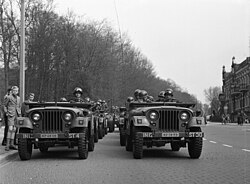
Following the ascension of Queen Juliana in September 1948, Koninginnedag moved to April 30. This change was welcomed by children, who gained an extra day of holiday. Juliana, known as the "queen of the people," maintained the tradition of receiving floral tributes at Soestdijk Palace, making the monarchy feel more accessible to the public.
The 1960s brought social tension to the holiday. The 1966 marriage of Princess Beatrix to Prince Claus, a German national who had served in the German Army, sparked anti-German riots in Amsterdam. To prevent further demonstrations, officials opened the city center to the vrijmarkt (free market), a tradition previously held on the outskirts of town. This strategic move transformed the holiday into the commercial street festival it is today.
Queen Beatrix and Modern Traditions (1980–2013)
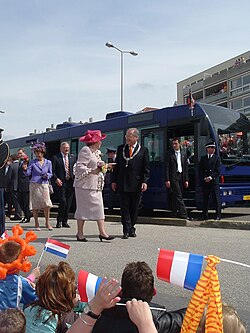
Upon succeeding her mother in 1980, Queen Beatrix chose to keep the holiday on April 30 as a tribute to Queen Juliana, noting that her own birthday in January was too cold for outdoor celebrations. Unlike her predecessors, Beatrix shifted the tradition by visiting two different towns each year to experience local crafts and customs.
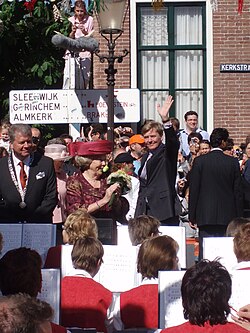
Despite the joy of the occasion, some years were marred by tragedy or disruption. In 1988, IRA attacks killed three British servicemen, and in 2001, foot-and-mouth disease forced the cancellation of royal visits. The most severe incident occurred in 2009 in Apeldoorn, when a man drove a car into the crowd, killing seven people. Despite this, Queen Beatrix insisted on continuing the tradition, visiting Wemeldinge and Middelburg in 2010 to reclaim the holiday for the country.
The Transition to King Willem-Alexander (2013–Present)
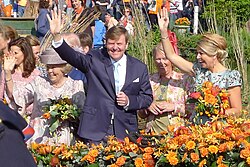
On April 30, 2013, Queen Beatrix abdicated in favor of her son, Willem-Alexander. This marked the first time in 123 years that the Netherlands had a King. Consequently, the holiday was renamed Koningsdag and the date moved to April 27 to align with the King's actual birthday.
The first King's Day in 2014 saw the royal family visit De Rijp and Amstelveen. In recent years, the celebrations have adapted to global challenges; during the 2020 coronavirus pandemic, the royal visit to Maastricht was cancelled in favor of a stay-at-home program featuring a national anthem sing-along and a royal address from home.
Summary of Royal Birthday Transitions
| Monarch | Holiday Name | Date | Key Characteristic |
|---|---|---|---|
| Wilhelmina | Prinsessedag / Koninginnedag | August 31 | Promoted national unity and reconciliation. |
| Juliana | Koninginnedag | April 30 | Introduction of the city-center vrijmarkt. |
| Beatrix | Koninginnedag | April 30 | Annual royal visits to various Dutch towns. |
| Willem-Alexander | Koningsdag | April 27 | First King in 123 years; modern adaptations. |
Frequently Asked Questions
Why did the date of the holiday change in 2014?
The date changed from April 30 to April 27 to coincide with the actual birthday of King Willem-Alexander, who succeeded Queen Beatrix.
What is the vrijmarkt?
The vrijmarkt, or "free market," is a tradition where citizens sell second-hand goods on the streets. It was moved into Amsterdam's city center in 1966 to occupy space and discourage political demonstrations.
Why did Queen Beatrix celebrate on April 30 instead of her own birthday?
Queen Beatrix kept the date as a tribute to her mother, Queen Juliana. Additionally, her own birthday falls on January 31, which is too cold for the traditional outdoor festivities.
How was Koningsdag celebrated during the COVID-19 pandemic?
In 2020, public celebrations and royal visits were cancelled. They were replaced by a stay-at-home program that included a national toast and a simultaneous sing-along of the national anthem.
What happened to the celebrations during World War II?
During the German occupation of the Netherlands, Koninginnedag celebrations were banned, and organizers destroyed their records to avoid reprisals from the occupying forces.