Kiwifruit: From Chinese Gooseberry to Global Superfood
The kiwifruit, once known as the Chinese gooseberry, is a vibrant, edible berry produced by several species of woody vines in the genus Actinidia. Characterized by a soft texture and a unique flavor profile that balances sweet and sour notes, this fruit has transitioned from a regional specialty in East Asia to a staple in fruit bowls worldwide. Whether you prefer the classic green flesh or the bright gold varieties, the kiwifruit offers a sensory experience unlike any other.
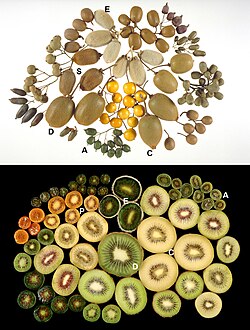
Key Facts
- Origin: Native to central and eastern China.
- Global Leader: China is the world's largest producer, accounting for 55% of total production as of 2023.
- Common Variety: The 'Hayward' cultivar is the most widely recognized fuzzy kiwifruit.
- Nutritional Powerhouse: Extremely high in Vitamin C, providing over 100% of the daily value in a single serving.
- Botanical Genus: Actinidia.
A Rich History and Etymology
The history of the kiwifruit dates back to the 12th century during China's Song dynasty, where it was first recorded. In Chinese, the fruit is known as míhóutáo (獼猴桃), which literally translates to "macaque peach." Other traditional names include húlitáo (fox peach) and ténglí (vine pear).
The journey of the fruit from China to the global market began in the early 20th century when cultivation spread to New Zealand. It was here that the first commercial plantings took place. The fruit gained significant traction among British and American servicemen stationed in New Zealand during World War II. By the 1950s, exports began reaching the United Kingdom, Australia, and eventually California.
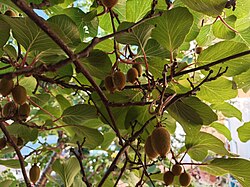
In recent decades, breeding programs have expanded globally. While New Zealand became famous for its marketing under the Zespri brand, China has undergone a massive industrial expansion. Since establishing the National Cooperative Group for Kiwifruit Research in 1978, China has moved from planting small amounts of New Zealand cultivars to developing a vast array of domestic varieties.
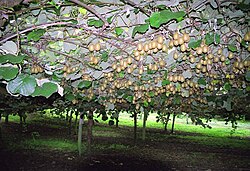
Understanding Kiwifruit Species and Cultivars
Not all kiwifruit are created equal. The genus Actinidia encompasses various species that differ in size, skin texture, and flesh color.
Fuzzy Kiwifruit
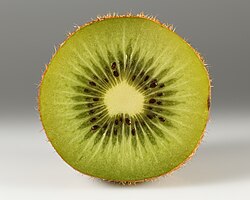
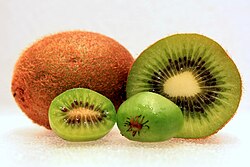
The most common type found in supermarkets is the fuzzy kiwifruit, belonging to the species Actinidia chinensis var. deliciosa. These fruits typically feature a dull brown, fibrous skin and bright green flesh. The 'Hayward' cultivar, developed by Hayward Wright in New Zealand around 1924, remains the industry standard.
Gold and Red Varieties
Beyond the traditional green variety, breeders have developed several distinct cultivars:
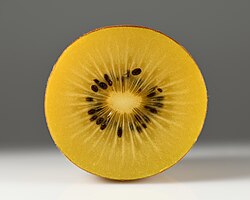
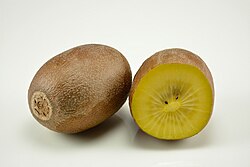
- Gold Kiwifruit: These varieties feature smooth, hairless skin and golden-colored flesh.
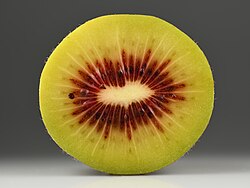
- Red Kiwifruit: Some cultivars, such as 'Red Passion', exhibit a distinctive red ring within the flesh.
- Kiwiberries: Smaller, bite-sized versions of the fruit.
Botanical Morphology
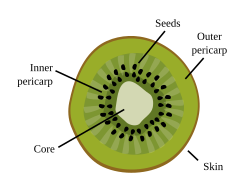
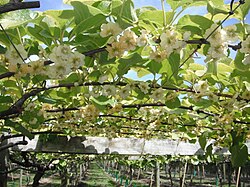
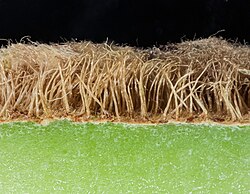
Kiwifruit grow on Actinidia vines. The plants undergo a flowering stage before the fruit develops. The physical structure of the fruit includes a thin skin and rows of tiny, edible black seeds embedded in the flesh.
Cultivation and Challenges
Growing kiwifruit requires careful management of the vines and protection against diseases. One significant challenge faced by the industry is Pseudomonas syringae pv. actinidiae (PSA), a bacterial strain that can cause significant economic losses. While managed successfully in parts of Asia, it caused notable issues in New Zealand and Italy, prompting research into resistant varieties.
| Country | Production Quantity |
|---|---|
| China | 2,362,658 |
| New Zealand | 662,744 |
| Italy | 391,100 |
| Greece | 317,080 |
| Iran | 295,142 |
| Chile | 116,029 |
Nutritional Profile
Kiwifruit is highly regarded for its dense nutritional content. A 100g serving provides a significant boost to daily vitamin requirements, particularly Vitamin C, which is essential for immune function.
| Nutrient | Green Kiwifruit | Gold Kiwifruit |
|---|---|---|
| Energy (kcal) | 63 kcal | 61 kcal |
| Carbohydrates (g) | 15.8 g | 14.66 g |
| Vitamin C (%DV) | 179% | 103% |
| Dietary Fibre (g) | 1.4 g | 3 g |
| Potassium (mg) | High | High |
In addition to vitamins, kiwifruit contains essential minerals like copper, potassium, and manganese, making it a versatile addition to various dishes, from breakfast bowls to desserts.

Frequently Asked Questions
Is the skin of a kiwifruit edible?
Yes, the thin, fuzzy, fibrous skin of most kiwifruit varieties is edible and can be consumed along with the flesh.
What is the difference between green and gold kiwifruit?
Green kiwifruit (A. deliciosa) typically has a fuzzy skin and tart flavor, while gold kiwifruit often has smoother skin and a sweeter, golden flesh.
Where does most of the world's kiwifruit come from?
As of 2023, China is the largest producer in the world, accounting for 55% of global production.
What is Zespri?
Zespri is a brand-name label used to market all cultivars of kiwifruit grown in New Zealand.
Can kiwifruit cause allergies?
Yes, kiwifruit allergies have been documented, particularly in Europe, where clinical manifestations have been studied.