Kirin Holdings: The Evolution of a Japanese Beverage Giant
From its origins in the late 19th century to its current status as a global powerhouse, Kirin Holdings Company, Limited has shaped the landscape of the Japanese beverage industry. Headquartered in Nakano, Tokyo, this public holding company manages a diverse portfolio that spans beer, soft drinks, pharmaceuticals, and wellness products.
While widely recognized for its iconic beers, Kirin has evolved into a strategic entity that leverages fermentation technology to innovate in bioengineering and healthcare, marking a transition from a traditional brewery to a diversified life-sciences and beverage conglomerate.
Key Facts
- Founded: 1885 as Japan Brewery Company; incorporated as Kirin Brewery Company in 1907.
- Core Brands: Kirin Beer, Kirin Lemon, Mets, and Gogo no Kōcha.
- Global Reach: Significant operations in China, Taiwan, Australia, the Philippines, Europe, and the United States.
- Corporate Affiliation: A core member of the Mitsubishi Group.
- Workforce: 30,464 consolidated employees.
- Leadership: Led by President and CEO Hideki Horiguchi.
The History and Heritage of Kirin
The story of Kirin begins with the Spring Valley Brewery, founded in Yokohama in 1869 by Norwegian-American brewer William Copeland. In 1885, the Japan Brewery Company was established to take over these assets, a move brokered by Thomas Blake Glover and backed by Japanese investors, including Iwasaki Yanosuke, the then-president of Mitsubishi.
By 1888, the company launched Kirin Beer. To meet rising consumer demand, the Kirin Brewery Company was established as a separate legal entity in February 1907. The company maintained high quality by importing hops and malted grains from Germany and employing German brewers to oversee production.
The Meaning Behind the Name
In Japanese, the word "Kirin" can refer to a giraffe, but the company is named after the Qilin, a mythical hooved chimerical creature from East Asian culture, symbolizing prosperity and serenity.
Corporate Structure and Market Presence
In 2007, the organization transitioned into a holding company structure. This allowed Kirin Holdings to oversee several specialized subsidiaries, including Kirin Brewery Company, Kirin Beverage Company, and Mercian Corporation.
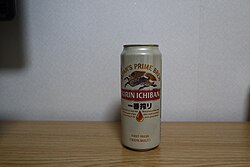
In the domestic market, Kirin is a dominant force. Its Kirin Lager is one of Japan's oldest beer brands, while Ichiban Shibori remains a top seller. The company also leads the happoshu (low-malt beer) category with Kirin Tanrei and manages the distribution of international brands like Heineken and Budweiser within Japan.
Global Expansion and Strategic Acquisitions
Kirin has aggressively expanded its footprint outside of Japan. Key international milestones include:
- Australia & New Zealand: Holding a 100% stake in Lion Nathan Limited.
- Philippines: Maintaining a 48.3% stake in San Miguel Brewery.
- Brazil: The acquisition of Schincariol in 2011 (later renamed Brasil Kirin), though negotiations for its sale to Heineken began in 2017.
- United States: Investments in Brooklyn Brewery (24.5%), New Belgium Brewing Company, and Bell's Brewing Company.
Diversification into Health and Science
Beyond alcohol, Kirin has pivoted toward the "wellness" sector by applying its expertise in fermentation to pharmaceuticals and bioengineering. This is evidenced by its ownership of Kyowa Kirin and the 2018 acquisition of 95% of Kyowa Hakko Bio Co. Ltd.
Further expanding into the health and beauty market, Kirin acquired a 33% stake in the cosmetics and dietary supplements firm Fancl Corp in 2019 for US$1.21 billion.
| Sector | Key Entities / Brands | Focus Area |
|---|---|---|
| Alcoholic Beverages | Kirin Brewery, Mercian, Lion Nathan | Beer, Wine, Spirits |
| Soft Drinks | Kirin Beverage, Coca-Cola Bottling partners | Tea, Lemonade, Soda |
| Healthcare | Kyowa Kirin, Fancl Corp, Kyowa Hakko Bio | Pharma, Wellness, Cosmetics |
| Agribio | Tokita Seed, Japan Potato Corp | Plant Genetics, Seeds |
Frequently Asked Questions
What is the difference between Kirin Beer and Happoshu?
Kirin Beer refers to standard beers like Ichiban Shibori, while Happoshu, such as Kirin Tanrei, is a low-malt beverage that is taxed differently in Japan.
Is Kirin only a beer company?
No. While beer is its core, Kirin Holdings is a diversified company involved in soft drinks, wine, pharmaceuticals, bioengineering, and dietary supplements.
What is the relationship between Kirin and the Mitsubishi Group?
Kirin is a core member of the Mitsubishi Group, a relationship that dates back to the company's early financial backing by Iwasaki Yanosuke.
Does Kirin operate in the United States?
Yes, Kirin has a significant US presence through investments in breweries like Brooklyn Brewery and New Belgium, as well as pharmaceutical ventures like Kirin-Amgen, Inc.
Why did Kirin move into the healthcare industry?
Kirin leverages its advanced fermentation technology—originally developed for brewing—to create applications in plant genetics, pharmaceuticals, and wellness products.