Kim Jong Un: The Political Profile and Leadership of North Korea's Supreme Leader
Kim Jong Un serves as the central figure of power in the Democratic People's Republic of Korea (DPRK). As the General Secretary of the Workers' Party of Korea and the President of the State Affairs Commission, he holds the highest authority in the nation. Since assuming office on April 11, 2012, following the death of his father, Kim Jong Il, he has consolidated control over the country's political, military, and social structures.
Key Facts
- Current Roles: General Secretary of the Workers' Party of Korea and President of the State Affairs Commission.
- Assumed Office: April 11, 2012.
- Military Rank: Wonsu (Marshal) in the Korean People's Army.
- Education: Attended Kim Il Sung University and Kim Il Sung Military University.
- Family: Son of Kim Jong Il and Ko Yong-hui; married to Ri Sol-ju.
Political Leadership and Governance
Kim Jong Un's leadership is defined by his roles within the Workers' Party of Korea, the ruling party of North Korea. He has been a member of the party's Political Bureau since 2012 and has served on the Central Committee since 2010. His authority extends to the military through his position as the Chairman of the Central Military Commission.
Before his current role as President of the State Affairs Commission, which he assumed on June 29, 2016, he served as the First Chairman of the National Defense Commission. This transition marked a significant shift in the formal structure of North Korean governance.
The Ruling Hierarchy
The North Korean government operates through a complex hierarchy of officials. Under Kim's leadership, several key figures hold significant positions, including Vice Presidents and Premiers who manage the administrative and economic functions of the state.
| Position | Branch/Organization | Status/Period |
|---|---|---|
| General Secretary | Workers' Party of Korea | Incumbent (since 2012) |
| President | State Affairs Commission | Incumbent (since 2016) |
| Chairman | Central Military Commission | Incumbent (since 2012) |
| First Chairman | National Defense Commission | 11 April 2012 – 29 June 2016 |
Military and Foreign Relations
As a Wonsu (Marshal) in the Korean People's Army, Kim Jong Un maintains strict control over the nation's defense capabilities. His administration has been characterized by significant developments in military technology and high-profile diplomatic engagements.
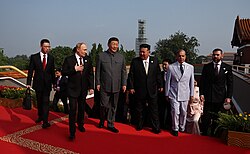
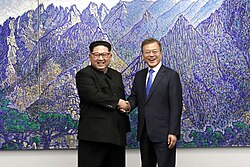
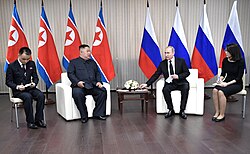
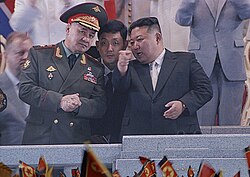
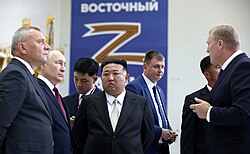
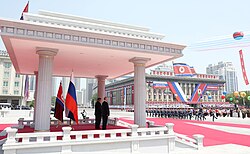
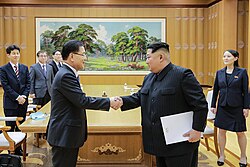
On the international stage, Kim has engaged in various summits. These include interactions with leaders from China, South Korea, and Russia. Notable diplomatic moments include the 2018 inter-Korean Summit with South Korean President Moon Jae-in and various meetings with Russian President Vladimir Putin.
Technological and Cultural Presence
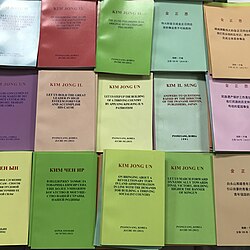
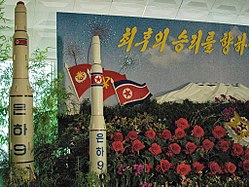
The state promotes Kim's leadership through various media and public displays. This includes the publication of his works, which are translated into multiple languages, and the display of advanced military models, such as the Unha-9 rocket.
Personal Life and Family
Kim Jong Un is part of the ruling Kim dynasty. He is the son of Kim Jong Il and Ko Yong-hui. He is married to Ri Sol-ju, and they have three children. His sister, Kim Yo Jong, is noted as a significant figure within the political landscape.
Frequently Asked Questions
What is Kim Jong Un's official title?
His primary titles include General Secretary of the Workers' Party of Korea and President of the State Affairs Commission.
When did Kim Jong Un take power?
He assumed his leadership roles on April 11, 2012, following the death of his father, Kim Jong Il.
What is his military rank?
He holds the rank of Wonsu, which is a Marshal in the Korean People's Army.
Who are his key family members?
His parents were Kim Jong Il and Ko Yong-hui. His spouse is Ri Sol-ju, and his sister is Kim Yo Jong.
Where did he receive his education?
He attended Kim Il Sung University and Kim Il Sung Military University.