Exploring Kerala: A Comprehensive Guide to "God's Own Country"
Nestled along the southwestern coast of India, Kerala—often affectionately called "God's Own Country"—is a state defined by its lush landscapes, rich history, and remarkable social indicators. From the serene backwaters to the towering peaks of the Western Ghats, Kerala offers a unique blend of cultural heritage and modern development.
Formed on November 1, 1956, the state has evolved from historical regions like Travancore, Cochin, and Malabar into a modern powerhouse of South India. Today, it is recognized globally not just for its breathtaking beauty, but for its high standards of living and progressive social policies.
Key Facts
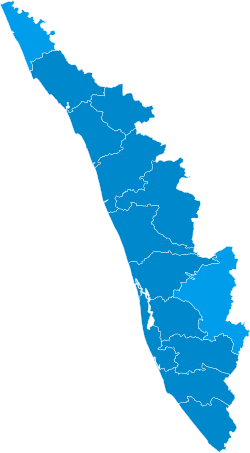
- Capital: Thiruvananthapuram
- Official Language: Malayalam
- Total Area: 38,863 km²
- Highest Point: Anamudi (2,695 m)
- Literacy Rate: 95.3% (Ranked 4th in India)
- Human Development Index (HDI): 0.804 (Ranked 2nd in India)
- Major Economy: Nominal GDP of $167.90 billion (2025-26 estimate)
Geography and Landscape
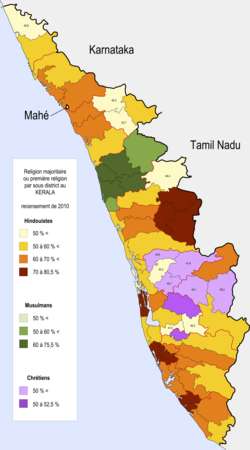
Kerala's geography is incredibly diverse, ranging from coastal plains to high-altitude mountains. The state's elevation varies significantly, from the lowest point in Kuttanad, which sits at -2.7 meters below sea level, to the majestic Anamudi peak at 2,695 meters.
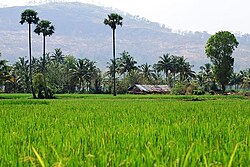
The landscape is characterized by its fertile plains and mountainous terrain, which support various agricultural activities. For instance, the Palakkad region is famously known as the "Granary of Kerala" due to its extensive paddy fields.
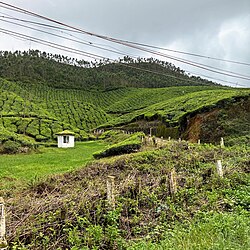
In the higher elevations, the climate and terrain give rise to sprawling tea plantations, most notably in areas like Munnar, which contribute significantly to the state's agricultural identity.
History and Cultural Heritage
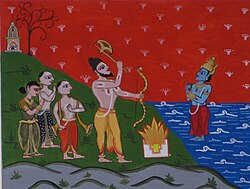
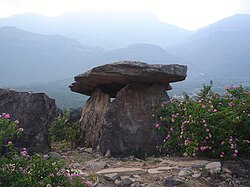
The history of Kerala is steeped in legend and ancient trade. Local lore often cites the figure of Parashurama as a foundational element of the land's creation. Archaeological evidence, such as Neolithic dolmens found in Marayur, points to a long history of human habitation.
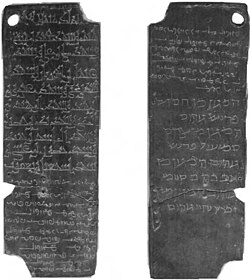
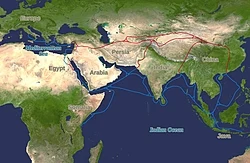
Historically, Kerala was a vital hub on the global trade network. The spice trade, facilitated by maritime routes, connected the region to the world via the Silk Road and various sea lanes. Merchant guilds and trade corporations played a central role in the economy, particularly during the Kulasekhara period, as evidenced by historical artifacts like the Tharisapalli plates.
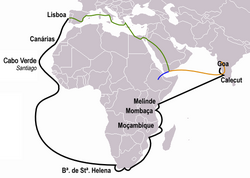
The arrival of European explorers, such as Vasco da Gama, marked a significant turning point in the colonial history of the region, altering the political and economic landscape of the coast.
Demographics and Society
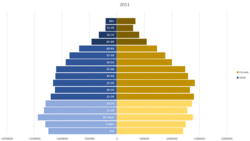
Kerala is characterized by a highly developed social structure. As of 2025, the population is estimated at approximately 36.1 million, with a high urbanization rate of 79.42%. The state is notable for its Human Development Index (HDI), which is ranked 2nd in India, reflecting high standards in healthcare and education.
![Human Development Index map for Indian states in 2006, as calculated by Government of India and United Nations Development Programme.[320]](/images/b3/42/b342adb117efa423d56706a3210b8856d159f457ab16cec66d4b70f44886ed35.webp)
The state also boasts a unique demographic profile, including a sex ratio of 1084 females per 1000 males, which is among the highest in the country.
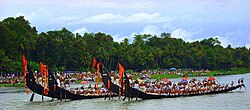
Cultural expression is vibrant and widespread. Festivals like Onam are celebrated with grand traditions, including the famous annual snake boat races held on the Pamba River.
Economy and Infrastructure
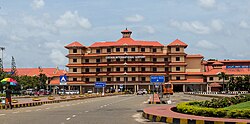
The economy of Kerala is multifaceted, driven by agriculture, fisheries, and a growing industrial sector. The state's infrastructure is robust, featuring four international airports: Thiruvananthapuram, Cochin, Calicut, and Kannur.
Cochin International Airport stands out as a global leader in sustainability, being the first airport in the world to be fully powered by solar energy.
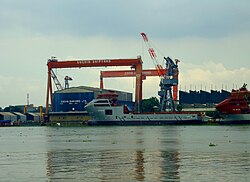
Industrial activity is also prominent, particularly in maritime engineering and shipbuilding, supported by facilities like the Cochin Shipyard.
Summary of Kerala State Profile
| Category | Details |
|---|---|
| Official Language | Malayalam |
| State Symbols | Great Hornbill (Bird), Coconut Tree (Tree), Jackfruit (Fruit) |
| Number of Districts | 14 |
| Literacy Rate | 95.3% |
| GDP (Nominal) | $167.90 billion (2025-26) |
Frequently Asked Questions
What is the official language of Kerala?
The official language of the state is Malayalam.
Which airport in Kerala is known for its solar power usage?
Cochin International Airport is the first airport in the world to be fully powered by solar energy.
What are the major agricultural products of Kerala?
Kerala is known for its production of tea, paddy (rice), and spices, which have historically driven its economy.
How is the literacy rate in Kerala compared to the rest of India?
Kerala has a very high literacy rate of 95.3%, which ranks it 4th in India.
What is the capital of Kerala?
The capital city of Kerala is Thiruvananthapuram.