Kentucky: The Heart of the Bluegrass State
Known as the Bluegrass State, Kentucky is a land of rolling hills, rich history, and a unique cultural identity. As a Commonwealth, it blends a deep-rooted agrarian past with modern industrial prowess, serving as a vital bridge between the Midwest and the South. From the urban energy of Louisville to the serene vistas of the Red River Gorge, Kentucky offers a diverse landscape that has shaped its people and its economy for centuries.
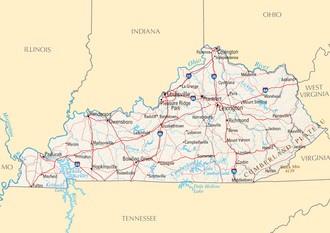
Key Facts
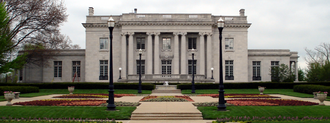
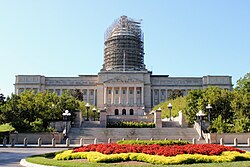
- Capital: Frankfort
- Largest City: Louisville
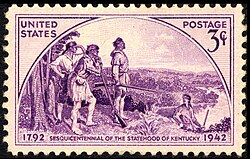
- Statehood: Admitted to the Union on June 1, 1792 (15th state)
- Population: Approximately 4,606,864 (2025 estimate)
- Highest Point: Black Mountain (4,150 ft)
- State Symbols: Cardinal (bird), Goldenrod (flower), and the Thoroughbred (horse)
Geography and Climate
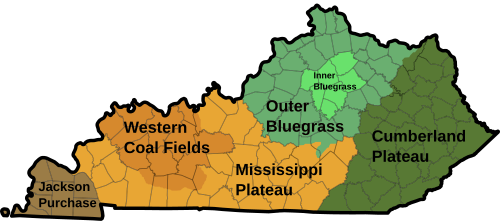
Kentucky spans 40,408 square miles, characterized by a varied topography that ranges from the Mississippi River at the Kentucky Bend (the state's lowest point at 256 ft) to the rugged peaks of the east. The state is divided into several distinct regions, though these do not strictly follow county lines.
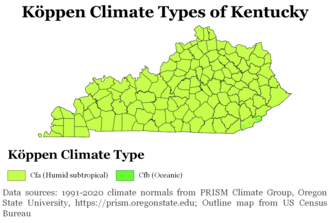
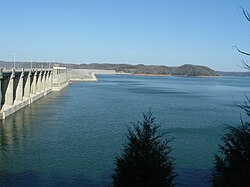
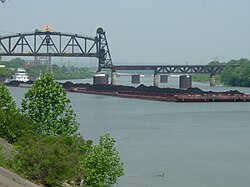
The climate is generally temperate, with significant seasonal variations. Major cities like Louisville and Bowling Green experience hot, humid summers and cool winters. The state's water resources are immense, featuring Lake Cumberland—the largest artificial American lake east of the Mississippi River by volume—and the Ohio River, which serves as a critical commercial artery.
Natural Attractions
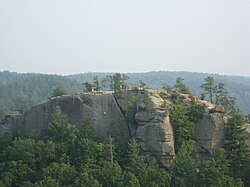
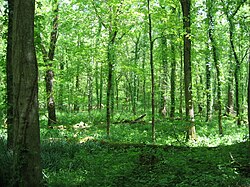
Kentucky is renowned for its outdoor beauty. The Red River Gorge is one of the most visited natural sites, while the Otter Creek Outdoor Recreation Area showcases the state's lush forests. The landscape is not without its challenges, as the state has a history of severe weather, including significant tornado outbreaks and flooding events, such as the Ohio River flood of 1937.
History and Heritage
Before becoming a state, Kentucky was part of Virginia as the District of Kentucky. Its early history was marked by Native American settlements and European exploration following the Treaty of Fort Stanwix in 1768. The region later developed a post-colonial plantation economy before being swept into the turmoil of the American Civil War.
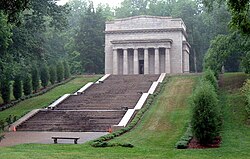
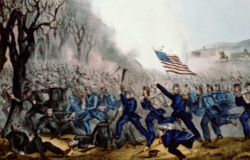
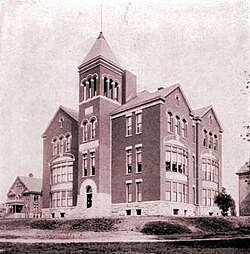
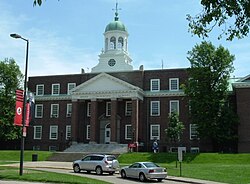
The 20th century saw Kentucky transition from a predominantly rural society to an industrial one. This evolution is visible in the growth of its cities and the modernization of its education system, moving from crowded one-room schoolhouses in the 1940s to world-class research universities today.

Demographics and Society
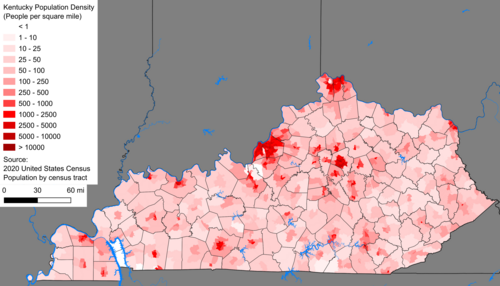
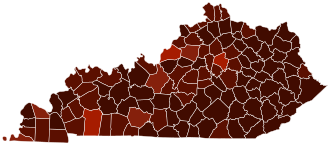
As of the 2020 Census, Kentucky's population is predominantly Non-Hispanic White (81.3%), with a significant African American community (7.9%) and a growing Hispanic or Latino population (4.6%). The state's religious landscape is largely Protestant (65%), with a notable presence of Catholics (10%) and a growing number of unaffiliated individuals (22%).
Economy and Infrastructure
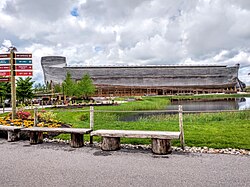
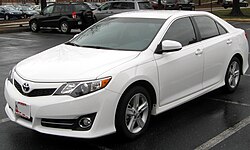
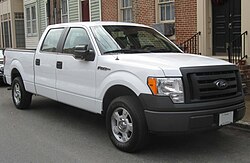
Kentucky's economy is a blend of agriculture, manufacturing, and logistics. The state is a global leader in the automotive industry; the Toyota Camry is manufactured in Georgetown, and the Ford F-Series is produced in Louisville.
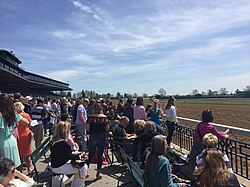
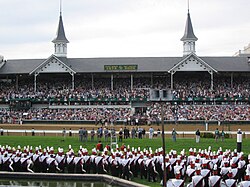
The horse industry remains a cornerstone of Kentucky's identity and economy, centered around the world-famous Thoroughbreds and events like the Kentucky Derby at Churchill Downs. Additionally, the state is a powerhouse in inland shipping, hosting some of the largest ports in the U.S., including the Huntington-Tristate and Cincinnati-Northern Kentucky ports.
Transportation and Education
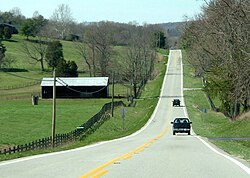
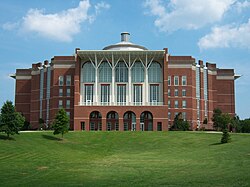
Infrastructure is anchored by major routes like Kentucky Route 80, the state's longest road at 484 miles. In education, the University of Kentucky serves as the flagship institution, while the University of Louisville operates as a primary urban research center.
Culture and Landmarks
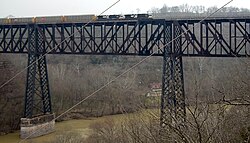
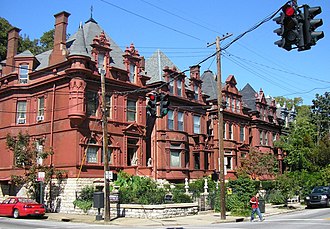
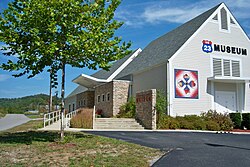
Kentucky's culture is a rich tapestry of music, cuisine, and architecture. From the Victorian homes of Old Louisville—the largest such neighborhood in the U.S.—to the country music heritage preserved in Paintsville, the state celebrates both its urban and rural roots.
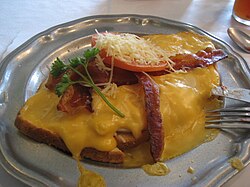
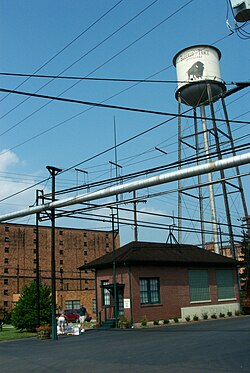
Culinary staples like the Hot Brown and the state's world-famous bourbon, produced at historic sites like the Buffalo Trace Distillery, are integral to the Kentucky experience.
| Category | Detail |
|---|---|
| Official Nickname | The Bluegrass State |
| Total Area | 40,408 sq mi |
| Population Rank | 26th |
| Median Household Income | $61,100 (2023) |
| State Beverage | Milk / Ale-8-One |
| State Sports Car | Chevrolet Corvette |
Frequently Asked Questions
What is the largest city in Kentucky?
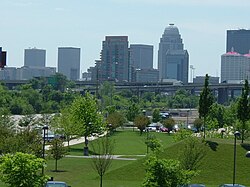
Louisville is the largest city in Kentucky, serving as a major hub for manufacturing and commerce.
Why is Kentucky called the Bluegrass State?
The nickname refers to the fertile, rolling pastures of the Bluegrass region, which are ideal for grazing Thoroughbred horses.
Which major vehicles are manufactured in Kentucky?
Kentucky is a major automotive hub, producing the Toyota Camry in Georgetown and the Ford F-Series trucks in Louisville.
What are the primary religious affiliations in Kentucky?
The majority of the population identifies as Protestant (65%), followed by those with no religious affiliation (22%) and Catholics (10%).
What is the significance of the Ohio River to Kentucky?
The Ohio River is vital for transportation and trade, supporting some of the largest inland ports in the United States.