K-pop Evolution: From Stylistic Origins to a Global Cultural Phenomenon
K-pop, a term encompassing the popular music of South Korea, has transformed from a regional musical style into a massive global industry. Characterized by its high-production audiovisual content, intricate dance choreography, and a unique blend of genres, K-pop has become a cornerstone of the Korean Wave (Hallyu), driving significant cultural and economic influence worldwide.
While the modern iteration of K-pop is often associated with highly polished idol groups, its roots are deeply embedded in a diverse array of musical influences, including pop, dance, contemporary R&B, hip-hop, rock, and the traditional Korean trot style.
Key Facts

- Genre Hybridity: K-pop blends multiple styles such as hip-hop, R&B, and electronic dance music.
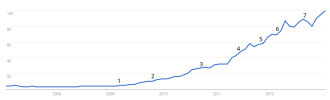
- Economic Driver: The Bank of Korea has linked the surge in cultural exports since 1997 to K-pop's rising popularity.
- The Big Agencies: The industry is dominated by major labels including SM, YG, JYP, and Hybe.
- Global Presence: K-pop acts have headlined major international festivals like Coachella and Lollapalooza.
- Trainee System: A rigorous training process is central to developing professional idols.
The Historical Journey of Korean Popular Music
![The Bank of Korea has attributed the rapid surge in cultural exports since 1997 to the increased worldwide popularity of K-pop.[70]](/images/7e/40/7e400d42a44a6c5fe2feab182a322983be593a60a636355856d49cef7844607d.jpg)
The evolution of South Korean music can be traced through several distinct eras, beginning with the arrival of Western culture in the 1940s through the 1960s. This was followed by the influence of hippie and folk music in the late 1960s and 1970s, and a significant era of ballads during the 1980s.
The 1990s: The Birth of Modern K-pop
The 1990s marked a pivotal turning point with the development of modern K-pop. This era saw the emergence of influential hip-hop sounds and the foundation of the modern idol system. Artists like DJ DOC helped popularize hip-hop during this decade.

As the genre matured, hip-hop artists such as Yoon Mi-rae and Tiger JK played a crucial role in popularizing American-style hip-hop within the Korean music scene.

The 21st Century and Global Expansion
In the 21st century, K-pop transitioned into a global powerhouse. The industry saw the rise of sophisticated marketing, transnational values, and the widespread use of English phrases to appeal to international audiences. This era is defined by massive girl and boy groups that command global attention through television programs and social media.
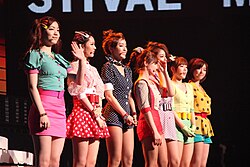
![The 11-member temporary girl group I.O.I was assembled through the reality television program Produce 101.[157]](/images/e9/6d/e96d7627cff2529041d6ee0a2818081a0cd348024301c889da21961f77964ab3.jpg)
The K-pop Industry Structure

The K-pop ecosystem is driven by specialized entertainment agencies that manage every aspect of an artist's career, from training to marketing. These agencies operate on a scale that has seen massive growth in market value over the decades.
| Agency | Year Established | Growth Indicator (Ref) |
|---|---|---|
| SM Entertainment | 1995 | Significant historical presence |
| YG Entertainment | 1996 | Strong market influence |
| JYP Entertainment | 1997 | Consistent global growth |
| Hybe (formerly Big Hit Music) | 2021 | Rapid market expansion |
The Trainee System
A defining feature of the industry is the trainee system. Aspiring idols undergo intensive training in singing, dancing, and language skills before their official debut. While this system produces world-class performers, it has also faced criticism regarding working conditions, mental health, and the pressure regarding physical appearance.

Cultural Impact and Global Recognition

K-pop's influence extends far beyond music, impacting fashion, dance, and international relations. The genre has successfully broken into major Western markets, with artists performing at prestigious venues and festivals.
- KCON: A major convention series held in California, New York, and Japan.
- Music Festivals: K-pop acts have made history at Lollapalooza (J-Hope), Coachella (Blackpink), and Glastonbury (Seventeen).

The visibility of K-pop is further bolstered by dedicated music television shows such as KBS2's Music Bank, SBS's Inkigayo, and Mnet's M Countdown, which provide a platform for artists to showcase their latest "comebacks" and title tracks.
Frequently Asked Questions
What is a "comeback" in K-pop?
In K-pop, a comeback refers to when an artist or group releases new music and begins a new period of promotional activities, often accompanied by a new concept, fashion style, or choreography.
What are the major music shows for K-pop?
Popular music shows include Music Bank (KBS2), Inkigayo (SBS), Show! Music Core (MBC), and M Countdown (Mnet).
How does the trainee system work?
The trainee system involves recruiting young individuals who undergo rigorous, long-term training in various performance disciplines to prepare them for professional debut as idols.
What is the significance of the "Korean Wave"?
The Korean Wave, or Hallyu, refers to the global surge in popularity of South Korean culture, including K-pop, K-dramas, and Korean cuisine.
Who are some influential figures in Korean hip-hop?
Artists like Yoon Mi-rae and Tiger JK are credited with helping to popularize American-style hip-hop in South Korea.