Juventus Football Club: A Legacy of Italian Football Dominance
Founded in the heart of Turin, Juventus Football Club S.p.A. stands as one of the most storied and successful institutions in global sports. Known affectionately as Juve, the club has evolved from a student-led initiative into a global powerhouse, defined by its iconic black-and-white stripes and an unwavering pursuit of excellence in Serie A, Italy's premier professional football league.
From its humble beginnings in the late 19th century to its current status as a corporate sporting giant owned by the Agnelli family through Exor N.V., Juventus has shaped the trajectory of Italian football. The club's journey is marked by eras of absolute domestic dominance, European triumphs, and a resilient ability to rebuild after adversity.
Key Facts
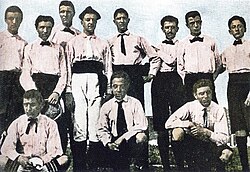
- Founded: November 1, 1897, as Sport-Club Juventus.
- Home Ground: Allianz Stadium (capacity 41,507).
- Ownership: Controlled by the Agnelli family via Exor N.V.
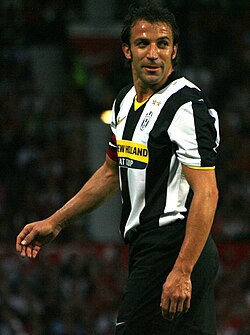
- All-Time Leading Scorer: Alessandro Del Piero with 290 goals.
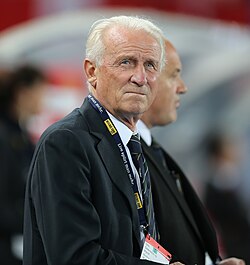
- Most Successful Manager: Giovanni Trapattoni, who secured 14 trophies.
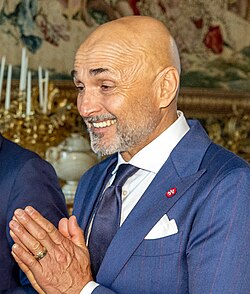
- Current Head Coach: Luciano Spalletti (appointed 2025).
Historical Evolution
Foundation and Early Years (1897–1913)
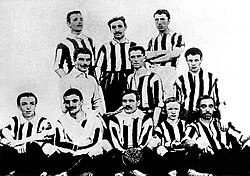
Juventus was established in 1897, beginning its journey in the early days of organized Italian football. The club quickly found its footing, securing its first league win in 1905, setting the stage for a century of competition.
The Rise to Prominence and First Dynasties
Between 1923 and 1967, Juventus transitioned from a local contender to a national force. This era saw the establishment of the club's first great dynasties and the emergence of legendary figures. By 1957, the club boasted the "Magical Trio" (Trio Magico), consisting of Omar Sívori, John Charles, and Giampiero Boniperti, who redefined the team's attacking prowess.

Domestic Dominance and European Success
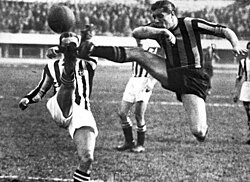
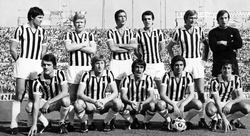
The period from 1971 to 1993 was characterized by a surge in both domestic and international prestige. Under the guidance of managers like Giovanni Trapattoni, Juventus became a symbol of tactical discipline and victory. The club's rivalry with Inter Milan, known as the Derby d'Italia, became one of the most intense fixtures in the sport.
The Lippi Era and the Calciopoli Crisis
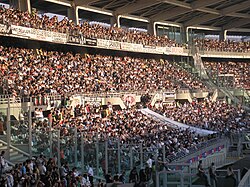
The 1990s and early 2000s were dominated by the influence of Marcello Lippi, who led the club to significant heights. However, this success was followed by the Calciopoli scandal in 2006, a match-fixing controversy that resulted in the club's relegation to Serie B. Despite this setback, the club's supporters remained steadfast.
Modern Era: Rebuilding and the Nine-Title Dynasty
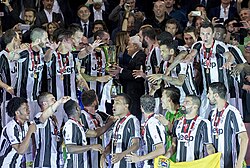
Following their return to the top flight, Juventus embarked on an unprecedented run of success between 2007 and 2020, winning nine consecutive league titles. This era of dominance was supported by a modern infrastructure and a world-class squad, culminating in numerous domestic cups and a return to European prominence.
Infrastructure and Operations
Allianz Stadium
In 2011, Juventus opened the Allianz Stadium, a state-of-the-art facility located at Corso Gaetano Scirea in Turin. With a construction cost of €155 million and a capacity of 41,507, the stadium is owned and operated by the club, providing a significant financial and competitive advantage.
Financial Standing
As a public company (Società per azioni) traded on the Borsa Italiana (BIT: JUVE) and the London Stock Exchange (LSE: 0H65), Juventus maintains a complex financial structure. While the club has seen massive revenues—reaching over €573 million in the 2019–20 season—it has also faced significant operating losses in recent years.
Club Statistics and Personnel
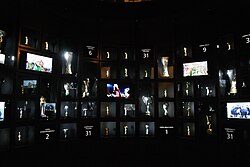
The club's success is built on the contributions of legendary players and managers. Alessandro Del Piero remains the gold standard for performance, holding the record for both appearances (705) and goals (290).
Currently, the team is led by head coach Luciano Spalletti, who took over in 2025. The squad is captained by Manuel Locatelli, with Bremer serving as vice-captain.
| Category | Detail |
|---|---|
| Full Name | Juventus Football Club S.p.A. |
| Founded | November 1, 1897 |
| Stadium | Allianz Stadium (41,507 capacity) |
| President | Gianluca Ferrero |
| Head Coach | Luciano Spalletti |
| Primary Owner | Agnelli family (via Exor N.V.) |
Frequently Asked Questions
Who is the all-time leading goalscorer for Juventus?
Alessandro Del Piero is the club's all-time leading goalscorer, having scored 290 goals across 705 appearances.
What is the capacity of the Allianz Stadium?
The Allianz Stadium has a seated capacity of 41,507.
Who is the most successful manager in the club's history?
Giovanni Trapattoni is the most successful and longest-serving manager, winning a total of 14 trophies with the club.
Who currently owns Juventus FC?
The club is primarily owned by the Agnelli family through the holding company Exor N.V., which holds a 65.4% stake.
When was Juventus Football Club founded?
The club was founded on November 1, 1897, originally under the name Sport-Club Juventus.