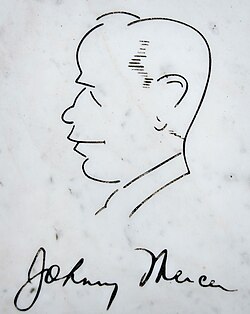
Johnny Mercer: The Lyricist Who Defined the American Songbook
Johnny Mercer was more than just a songwriter; he was a master of the English language who captured the essence of American life through music. From his humble beginnings in New York City to the glitz of Hollywood and the founding of a legendary record label, Mercer's career spanned the golden age of popular song, leaving behind a legacy of timeless standards that continue to be performed worldwide.
Key Facts
- Academy Awards: Won four Oscars for Best Song.
- Industry Impact: Co-founded Capitol Records in 1942.
- Signature Works: Wrote lyrics for "Moon River," "Blues in the Night," and "That Old Black Magic."
- Collaborations: Worked with legends including Hoagy Carmichael, Harold Arlen, and Henry Mancini.
- Versatility: Excelled as a lyricist, singer, and record executive.
Early Struggles and the Rise in New York
Mercer arrived in New York in 1928 at the age of 19. His early years were marked by financial hardship; while working a day job at a brokerage house, he spent his nights singing and writing music in a Greenwich Village apartment, sometimes surviving on little more than oatmeal. His breakthrough began in 1930 when his first lyric, "Out of Breath (and Scared to Death of You)," appeared in the musical revue The Garrick Gaieties.
During this period, Mercer apprenticed under Yip Harburg and worked with the Paul Whiteman orchestra. A pivotal moment in his career came through his partnership with Hoagy Carmichael. Together, they labored over the hit "Lazybones," which earned Mercer significant royalties and established him as a respected member of the Tin Pan Alley fraternity—the collection of music publishers and songwriters who dominated popular music in the early 20th century.
The Hollywood Era and Cinematic Success
As the music industry shifted from standalone revues to plot-driven movie musicals, Mercer moved to Hollywood in 1935. While he initially struggled with B-movies and the temptations of the Hollywood nightlife, he soon found his stride. His satirical song "I'm an Old Cowhand from the Rio Grande," performed by Bing Crosby, catapulted him to fame.
Mercer's ability to adapt his style led to a string of hits. He collaborated with Richard Whiting on "Too Marvelous for Words" and later with Harry Warren on "Jeepers Creepers," which earned him his first Oscar nomination. His partnership with Harold Arlen produced some of the most influential jazz and blues-influenced songs of the era, including "Blues in the Night" and "Come Rain or Come Shine."
The Founding of Capitol Records
In 1942, Mercer expanded his influence by co-founding Capitol Records alongside Buddy DeSylva and Glen Wallichs. As a manager, he signed pivotal artists such as Nat "King" Cole and used the label as a platform for his own recordings, including the hit "Zip-a-Dee-Doo-Dah."
Later Years and Enduring Influence
Despite the rise of rock and roll in the 1950s, which diminished the demand for traditional popular songs, Mercer remained prolific. His collaboration with Henry Mancini resulted in two of the most famous songs in cinema history: "Moon River" and "Days of Wine and Roses," earning him back-to-back Academy Awards.
In his later years, Mercer remained dedicated to the craft of songwriting, helping to found the Songwriters Hall of Fame in 1969. He was known for his humility, often attributing his success to luck and timing rather than sheer talent.
| Period/Year | Key Achievement/Collaboration | Notable Work |
|---|---|---|
| 1930s | Partnership with Hoagy Carmichael | "Lazybones" |
| 1936 | Hollywood Breakthrough | "I'm an Old Cowhand from the Rio Grande" |
| 1941-1946 | Collaboration with Harold Arlen | "Blues in the Night", "That Old Black Magic" |
| 1942 | Industry Leadership | Founded Capitol Records |
| 1961-1962 | Partnership with Henry Mancini | "Moon River", "Days of Wine and Roses" |
Posthumous Legacy
Mercer's influence extended beyond his lifetime. After his death, his widow, Ginger Mehan Mercer, shared unfinished lyrics with singer Barry Manilow. This collaboration resulted in the 1984 hit "When October Goes," which has since evolved into a recognized jazz standard.
Frequently Asked Questions
How many Academy Awards did Johnny Mercer win?
Johnny Mercer won four Academy Awards for Best Song, including back-to-back wins for "Moon River" and "Days of Wine and Roses."
What was Johnny Mercer's role in the recording industry?
Beyond songwriting, Mercer was a co-founder of Capitol Records in 1942, where he helped sign major artists like Nat "King" Cole.
Who were Mercer's most frequent collaborators?
His most significant collaborations were with Hoagy Carmichael, Harold Arlen, and Henry Mancini.
What was Mercer's approach to writing lyrics?
Mercer typically preferred to receive the music first, absorbing the melody before crafting lyrics that fit the mood and cultural language of the time.
Which of his songs became jazz standards posthumously?
"When October Goes," based on unfinished lyrics completed by Barry Manilow, became a top 10 Adult Contemporary hit and a subsequent jazz standard.