Jewish Americans: Demographics, History, and Cultural Impact
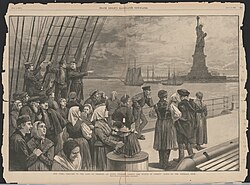
The Jewish American community is a diverse and influential part of the United States' social, political, and cultural fabric. With a population estimated between 7.1 million and 7.7 million, Jewish Americans represent a wide array of ethnic origins, religious observances, and socioeconomic backgrounds. From the early colonial settlements to the massive waves of immigration in the 20th century, the community has evolved into a multifaceted identity that blends ancient traditions with modern American life.
Key Facts
- Total Population: Approximately 7.5 million people in the United States.
- Primary Hubs: New York City, South Florida, and Los Angeles are the largest population centers.
- Religious Diversity: 35% identify as Reform, 18% as Conservative, and 11% as Orthodox, while 30% are unaffiliated.
- Ethnic Roots: The majority are Ashkenazim (European descent), followed by Sephardim and Mizrahim.
- Political Leanings: Historically, there has been a strong preference for the Democratic Party in presidential elections.
Demographic Distribution
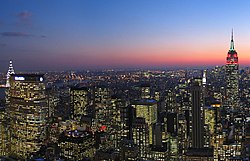
Jewish populations in the U.S. are heavily concentrated in urban centers, particularly in the Northeast and West Coast. New York remains the heart of the community, boasting the highest total population and the highest percentage of Jewish residents per state.
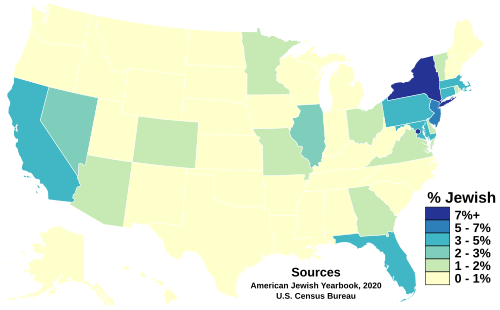
Beyond New York, significant populations are found in New Jersey, Florida, and California. In terms of metropolitan areas, the New York City metro area is by far the largest, followed by Miami and Los Angeles.
Population by State (Top 10)
| State | Jewish Population | Percent Jewish |
|---|---|---|
| New York | 1,672,025 | 8.54% |
| California | 1,259,315 | 3.23% |
| Florida | 753,865 | 3.33% |
| New Jersey | 581,200 | 6.26% |
| Pennsylvania | 347,850 | 2.68% |
| Illinois | 334,180 | 2.66% |
| Massachusetts | 318,450 | 4.55% |
| Maryland | 250,860 | 4.06% |
| Texas | 220,685 | 0.72% |
| Ohio | 177,295 | 1.50% |
Ethnic and Religious Identity
Jewish identity in America is not monolithic. It is divided into several ethnic groupings based on ancestral origin. Ashkenazim (those from Central and Eastern Europe) make up the vast majority, estimated between 5 million and 6 million people. Other groups include Sephardim (Spanish and Portuguese descent), Mizrahim (Middle Eastern descent), and smaller communities such as the Bukharim and Beta Israel.
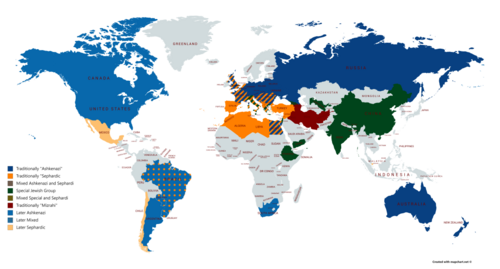
Religiously, the community is split between different movements of Judaism. Reform Judaism is the largest branch, emphasizing the evolving nature of the faith. Conservative Judaism seeks a middle ground between tradition and modernity, while Orthodox Judaism adheres strictly to traditional Jewish law. A significant portion of the population (30%) identifies as unaffiliated, including atheists and agnostics.
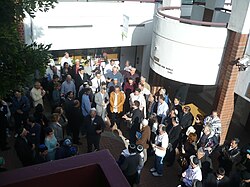
History and Cultural Integration
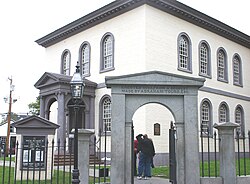
The Jewish presence in the U.S. dates back to the colonial era. One of the most enduring symbols of this early history is the Touro Synagogue in Rhode Island, the oldest existing synagogue building in the country.
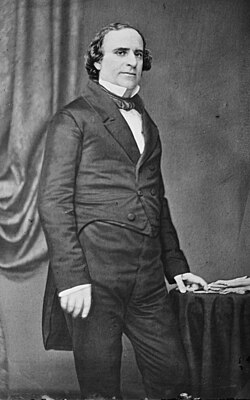
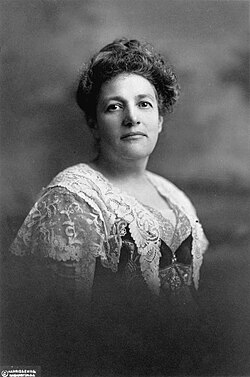
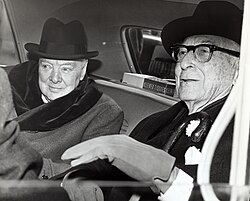
Over the centuries, Jewish Americans have integrated into all levels of society. This is evident in their contributions to government, science, and the arts. From the first Jewish woman elected to Congress, Florence Kahn, to influential advisors like Bernard Baruch, the community has played a pivotal role in shaping American policy and law.
Socioeconomics and Education
Education is a highly valued pillar within the community. Jewish students are well-represented in both public and private universities. For instance, New York University and Yeshiva University show high concentrations of Jewish enrollment, reflecting a strong commitment to higher learning.
Political Participation
Voting patterns among Jewish Americans have historically leaned heavily toward the Democratic Party. This trend became particularly pronounced during the mid-20th century. For example, in 1940 and 1944, 90% of the Jewish vote went to the Democratic candidate.
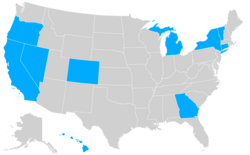
While the Democratic preference remains strong, there is a documented presence of Jewish voters within the Republican Party, with support fluctuating between 10% and 40% depending on the election cycle.
Cultural Heritage and Language
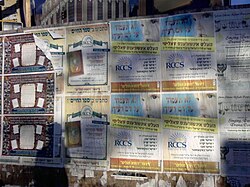
Language has played a key role in preserving Jewish identity. While American English is the primary language, Yiddish (a fusion of German and Hebrew) was widely spoken in the early 20th century. Modern Hebrew is also used, particularly for religious purposes and among those with ties to Israel.
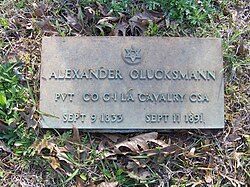
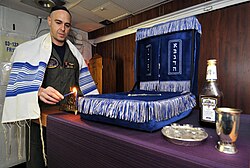
Jewish American culture also manifests in unique local traditions, such as the use of the rubber spaldeen for street baseball in neighborhoods like Brooklyn, and the observance of holidays like Hanukkah across various settings, including the military.
![The rubber spaldeen, often used to play variations of baseball in the street[240]](/images/b0/31/b0317383f5b8ce1edfb134d326677fe7ad45bc5aaf2f65e28d7e2582eaf6ece6.jpg)
Frequently Asked Questions
What is the total Jewish population in the United States?
The estimated total population ranges from 7.1 million to 7.7 million, with some specific estimates placing it at approximately 7.5 million.
Which U.S. state has the highest percentage of Jewish residents?
New York has the highest percentage of Jewish residents, with approximately 8.54% of its population identifying as Jewish.
What are the main religious branches of Judaism in America?
The three primary branches are Reform (35%), Conservative (18%), and Orthodox (11%), though a significant portion of the population is unaffiliated.
Who were the Ashkenazim, Sephardim, and Mizrahim?
These are ethnic divisions of the Jewish people: Ashkenazim originate from Central and Eastern Europe, Sephardim from Spain and Portugal, and Mizrahim from the Middle East.
How have Jewish Americans historically voted in presidential elections?
Historically, Jewish Americans have shown a strong preference for the Democratic Party, often providing a significant majority of their vote to Democratic candidates since the 1930s.