Navigating the Complex History and Modern Tensions of Japan and South Korea
Japan and South Korea share a relationship defined by deep economic integration and intense historical friction. As immediate neighbors, the two nations maintain significant ties through trade, tourism, and cultural exchange. However, the shadow of the early 20th century continues to influence modern diplomacy, creating a landscape where economic cooperation often exists alongside unresolved territorial and historical disputes.
To understand the current state of affairs, one must look back at the period of Japanese colonization, which fundamentally altered the trajectory of the Korean Peninsula and continues to shape the political discourse in both Seoul and Tokyo today.
Key Facts
- Colonization Period: Japan annexed Korea in 1910, an occupation that lasted until the end of World War II.
- Diplomatic Normalization: Official bilateral relations were established in 1965 through the Basic Treaty.
- Cultural Artifacts: The South Korean government estimates that 75,311 cultural artifacts were taken from Korea during the colonial era.
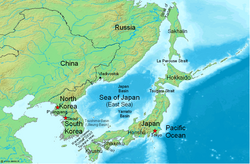
- Geographic Disputes: Ongoing disagreements exist regarding the naming of the Sea of Japan and the sovereignty of the Liancourt Rocks.
- Economic Ties: Despite political tensions, the two nations remain major trading partners.
Historical Foundations of Conflict
The Japan–Korea Annexation Treaty
In 1910, Japan formally annexed Korea. The legality of this annexation and the subsequent 35-year occupation remains a subject of intense debate. Critics argue the Japan–Korea Treaty of 1905 was signed under duress and was never properly ratified by Gojong, the ruler of Korea. While some Japanese scholars challenge the invalidity of the treaty, the period remains a central point of contention in regional history.
Post-War Normalization
Following the surrender of Japan at the end of World War II, the Korean Peninsula underwent significant changes. While South Korea was established in 1948, it was not until 1965 that the signing of the Basic Treaty officially normalized relations between Japan and South Korea. This treaty sought to settle claims and establish a framework for modern diplomacy, yet many historical grievances remained unaddressed.
Unresolved Historical Issues
The "Comfort Women" Controversy
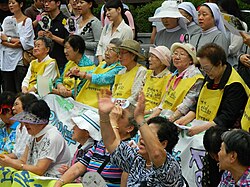
One of the most sensitive issues involves the "comfort women"—women who were subjected to military sexual slavery by the Japanese Imperial Army. In 1993, the Japanese government officially acknowledged the existence of wartime brothels. To address the victims, Japan established a private Asian Women's Fund to distribute donations and issue letters of apology. In South Korea, survivors have continued to protest for justice, with many holding weekly demonstrations in front of the Japanese Embassy in Seoul.
Cultural Artifacts and Human Remains
The movement of cultural property and human remains remains a significant diplomatic hurdle. The South Korean government identifies tens of thousands of artifacts that were removed from the country during the colonial era. While some progress has been made—such as the 2011 return of the Royal Protocols of the Joseon Dynasty—many items remain in foreign hands.
Similarly, the issue of human remains persists. In the 1970s, requests were made for the return of approximately 38,000 Korean remains (specifically noses) from the Mimizuka tomb in Kyoto, which were taken during the Japanese invasions of Korea (1592–1598). These remains have not yet been returned.
Yasukuni Shrine and Political Symbolism
Visits by Japanese Prime Ministers to the Yasukuni Shrine frequently spark diplomatic tension. The shrine memorializes those who died for Japan, including 14 Class A war criminals. Because these individuals are honored at the site, visits are often perceived by South Korea and China as a failure to fully apologize for the wartime era.
Geographic and Territorial Disputes
Liancourt Rocks and Tsushima
Territorial claims continue to affect maritime relations. In 1948, the South Korean government demanded the cession of certain islands based on historical claims, though this was rejected by SCAP in 1949. Additionally, while South Korea previously made claims regarding Tsushima, the government agreed to drop those specific demands during the Japanese peace treaty negotiations in 1951.
The Sea of Japan Naming Dispute
A significant naming dispute exists regarding the body of water between the two nations. Japan maintains that the name "Sea of Japan" was established by Western countries prior to 1860, before Japan had significant influence over Korean foreign policy. Conversely, South Korea argues that the name was solidified in 1929—a period when Korea was under Japanese occupation and lacked an international voice to protest the designation.
Summary of Key Disputes and Issues
| Category | Primary Issue | Context |
|---|---|---|
| Historical | Colonization (1910–1945) | Disputes over the legality of the annexation treaty. |
| Human Rights | Comfort Women | Issues regarding wartime sexual slavery and compensation. |
| Cultural | Artifacts & Remains | The return of stolen cultural treasures and human remains. |
| Territorial | Liancourt Rocks | Ongoing sovereignty disputes over maritime features. |
| Geographic | Sea of Japan Naming | Disagreement over the official international name of the sea. |
| Political | Yasukuni Shrine | Controversy over honoring wartime war criminals. |
Frequently Asked Questions
When were relations between Japan and South Korea officially normalized?
Official diplomatic relations were normalized in 1965 with the signing of the Basic Treaty.
Why is the Yasukuni Shrine controversial?
The shrine is controversial because it houses the remains of 14 Class A war criminals, leading many to view visits by Japanese officials as a lack of remorse for wartime actions.
What is the "Sea of Japan" naming dispute about?
Japan argues the name was established by Westerners before 1860, while South Korea contends the name was standardized in 1929 while Korea was under Japanese colonial rule and unable to object.
How many cultural artifacts does South Korea claim were taken?
The South Korean government estimates that 75,311 cultural artifacts were taken from the country.
What are the "comfort women"?
The term refers to women who were victims of military sexual slavery by the Japanese military during the wartime era.