Irish Examiner: A History of Journalism and Evolution
The Irish Examiner stands as one of Ireland's most enduring journalistic institutions. From its origins as a regional voice in Cork to its current status as a national publication, the newspaper has mirrored the political and social transformations of the Irish state over nearly two centuries.
Founding and Early Political Influence
Established in 1841 by John Francis Maguire, the publication originally launched as The Cork Examiner. Its early mission was deeply rooted in the political struggles of the era, specifically providing support for tenant rights and the work of Daniel O'Connell regarding Catholic Emancipation—the movement to remove legal restrictions on Catholics in the United Kingdom.
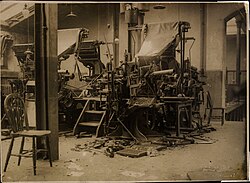
Throughout the early 20th century, the paper navigated the turbulent waters of Irish independence. During both the Irish War of Independence and the Irish Civil War, The Cork Examiner faced periods of suppression and censorship, a common fate for nationalist newspapers of the time.
Mid-Century Perspectives
As the 20th century progressed, the newspaper's editorial tone shifted. During the Spanish Civil War, the publication reportedly adopted a strongly pro-Franco stance. By the mid-20th century, it was known for catering to a socially conservative reader base and promoting a conservative nationalist agenda.
Evolution of Branding and Ownership
To adapt to a changing media landscape, the publication underwent several name changes. It operated as The Cork Examiner for 155 years before becoming The Examiner in 1996. In 2000, it was rebranded as The Irish Examiner to attract a broader national audience beyond its Cork roots.
For many years, the paper was part of the Thomas Crosbie Holdings group, alongside its sister publication, the Evening Echo. However, following the receivership of Thomas Crosbie Holdings in March 2013, the newspaper was acquired by Landmark Media Investments.
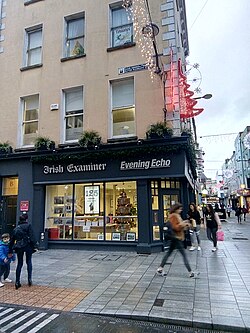
The publication's physical presence in Cork also evolved. After more than a century at Academy Street, it moved to Lapp's Quay in November 2006, eventually establishing editorial offices in Blackpool and a sales office on Oliver Plunkett Street.
The Transition to The Irish Times
The late 2010s marked a significant shift in ownership. In February 2017, Landmark Media Investments engaged KPMG to explore strategic options, which included a potential link with Independent News and Media (INM). By April 2017, both INM and The Irish Times had entered the sales process.
Following explorations of a joint acquisition with Sunrise Media, a sale to The Irish Times was agreed upon in December 2017. This transaction was finalized in July 2018 after receiving regulatory approval.
In recent years, the paper's political orientation has been described variously as centrist, conservative, or liberal. Most recently, in July 2025, John O'Mahony was appointed as the editor of both The Irish Examiner and The Echo.
Key Facts
- Founded: 1841 by John Francis Maguire.
- Original Name: The Cork Examiner.
- Current Owner: The Irish Times (acquired July 2018).
- Key Historical Support: Catholic Emancipation and Daniel O'Connell.
- Recent Leadership: John O'Mahony appointed editor in July 2025.
| Year/Period | Event/Status |
|---|---|
| 1841 | Founded as The Cork Examiner |
| 1996 | Renamed The Examiner |
| 2000 | Renamed The Irish Examiner |
| 2013 | Acquired by Landmark Media Investments |
| 2018 | Acquired by The Irish Times |
| 2025 | John O'Mahony appointed editor |
Frequently Asked Questions
Who founded the Irish Examiner?
The newspaper was founded in 1841 by John Francis Maguire under the original title of The Cork Examiner.
Why was the newspaper renamed?
It was renamed The Examiner in 1996 and subsequently The Irish Examiner in 2000 to appeal to a wider national readership across Ireland.
Who currently owns the publication?
The Irish Examiner is owned by The Irish Times, following a sale that was completed in July 2018.
Where are the newspaper's offices located?
The publication maintains editorial offices in Blackpool, Cork, and a sales office on Oliver Plunkett Street.
What was the paper's early political stance?
In its early years, the paper supported tenant rights and the Catholic Emancipation movement led by Daniel O'Connell.