Iraq National Football Team: History, Triumphs, and the Lions of Mesopotamia
Known affectionately as Usood al-Rafidayn (the Lions of Mesopotamia), the Iraq national football team stands as a symbol of resilience and passion. From their early regional successes to the historic heights of continental glory, the team has navigated decades of triumph and hardship, mirroring the complex history of the nation itself.
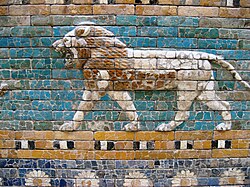
Iraq's footballing identity is deeply rooted in the region's heritage, often evoking the strength and majesty of the ancient Mesopotamian lions.
Key Facts
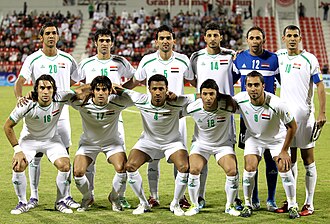
- Nickname: Usood al-Rafidayn (Lions of Mesopotamia).
- Major Achievement: Champions of the AFC Asian Cup in 2007.
- World Cup Appearances: Qualified for the 1986 and 2026 FIFA World Cups.
- All-Time Leading Scorer: Hussein Saeed with 78 goals in 137 official matches.
- Most Capped Player: Younis Mahmoud with 148 official appearances.
- Primary Home Venue: Basra International Stadium (since 2013).
Early Years and Regional Dominance (1948–1979)
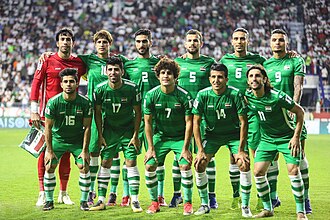
The foundation of Iraqi football was built on strong regional performances. During the mid-20th century, the team established itself as a force in West Asia, securing multiple titles in the Arabian Gulf Cup, including victories in 1964, 1966, 1985, and 1988.
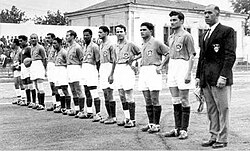
The 1970s saw a surge in competitiveness, with Iraq claiming the West Asian Football Federation (WAFF) Championship in 1979 and 1984, signaling their readiness for the global stage.
The First Golden Generation and the 1986 World Cup

The 1980s marked a pivotal era for the Lions of Mesopotamia. This period saw the emergence of a highly skilled generation of players who led Iraq to its first-ever FIFA World Cup qualification in 1986. Although they faced a challenging group stage against Paraguay, Belgium, and Mexico, the achievement remains a landmark in the country's sporting history.
During this era, the team also excelled in the Olympics, participating in the 1980, 1984, and 1988 games, further cementing their status as a powerhouse in Asian football.
The Dark Era and the Road to Recovery (1990–2000)
The 1990s are often remembered as a difficult period, characterized by political instability and sporting setbacks. One of the most heartbreaking moments occurred during the 1994 FIFA World Cup qualification, known as the "Agony of Doha," where Iraq narrowly missed out on qualification.
Despite these struggles, the team showed resilience, returning to the AFC Asian Cup in 1996 after a two-decade absence, proving that the passion for the game remained unbroken.
The Second Golden Generation and 2007 Glory
The 2000s witnessed the rise of a second golden generation, culminating in the most iconic moment in Iraqi football history: winning the 2007 AFC Asian Cup. In a tournament hosted by Indonesia, Malaysia, Thailand, and Vietnam, Iraq defied all odds to claim the continental title.
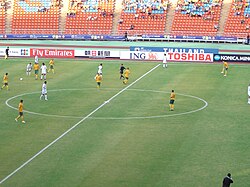
This victory was more than just a sporting achievement; it was a moment of national unity. The team's success was spearheaded by legendary figures like Younis Mahmoud, who became a national hero.
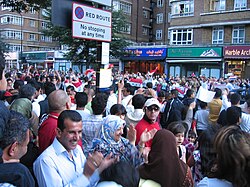
Modern Era: Basra and the Return to the World Stage
In recent years, Iraq has focused on rebuilding its infrastructure and returning to the pinnacle of international football. The transition from the historic Al-Shaab Stadium to the state-of-the-art Basra International Stadium has provided the team with a modern fortress for home matches.
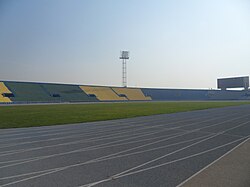
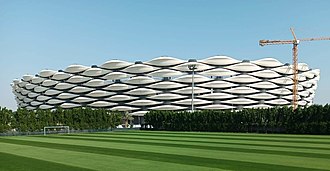
The team's persistence paid off with a return to the FIFA World Cup in 2026, ending a forty-year drought since their last appearance in 1986. This resurgence has been supported by a new wave of talent and strategic coaching.

Team Statistics and Records
Iraq's footballing legacy is defined by individual brilliance and collective effort. Hussein Saeed remains the gold standard for scoring, while Younis Mahmoud's longevity and leadership set the record for appearances.


| Competition | Achievement | Years/Details |
|---|---|---|
| AFC Asian Cup | Champions | 2007 |
| Arabian Gulf Cup | Champions | 1964, 1966, 1985, 1988 |
| WAFF Championship | Champions | 1979, 1984, 1988, 2023 |
| FIFA World Cup | Qualified | 1986, 2026 |
| All-Time Top Scorer | Hussein Saeed | 78 Goals |
Frequently Asked Questions
When did Iraq win the AFC Asian Cup?
Iraq won the AFC Asian Cup in 2007, defeating Saudi Arabia in the final to claim their first continental title.
Who is the all-time leading goalscorer for Iraq?
Hussein Saeed is the all-time leading goalscorer, having scored 78 goals in 137 official matches.
Which stadium is currently the primary home ground for the team?
The Basra International Stadium has been the primary venue for Iraq's home matches since it opened in 2013.
How many times has Iraq qualified for the FIFA World Cup?
Iraq has qualified for the FIFA World Cup twice: first in 1986 and again in 2026.
Who is the most capped player in the history of the Iraqi national team?
Younis Mahmoud holds the record for the most caps, having played in 148 official matches.