Iquique: The Coastal Hub of Northern Chile
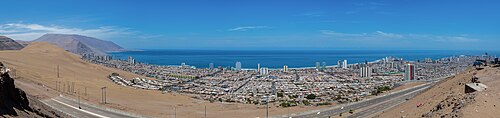
Perched on the edge of the Pacific coast, Iquique is a vibrant port city and commune in northern Chile. Serving as the capital of both the Iquique Province and the Tarapacá Region, it sits west of the Pampa del Tamarugal within the arid expanse of the Atacama Desert. Its name, derived from the Aymara word "Iki Iki," translates to "land of dreams," a fitting description for a city that blends a rich industrial history with a modern, duty-free commercial appeal.
With a population of 199,587 as of the 2024 census, Iquique is the primary commune of Greater Iquique. The city's growth was fueled by the 19th-century saltpetre mining boom. While it was once a Peruvian city, it became part of Chile following the War of the Pacific (1879–1883). Today, it stands as one of Chile's only two free ports, alongside Punta Arenas in the south.
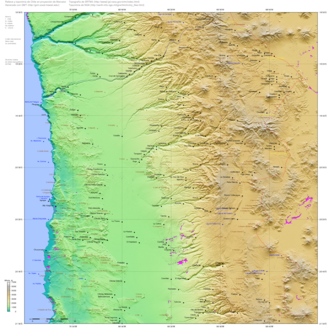
Key Facts
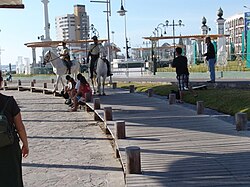
- Location: Tarapacá Region, Northern Chile.
- Status: One of only two free ports in Chile.
- Economy: Driven by industrial fishing, tourism, and duty-free trade (ZOFRI).
- Population: 199,587 (2024 Census).
- Climate: BWh (Hot desert climate).
- Key Industry: Largest fishing port in Chile, producing 50% of national fishmeal.
A Journey Through History
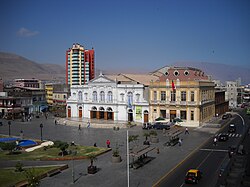
While the city was formally founded in the 16th century, the region has been inhabited since 7,000 BC by the Chango people. For centuries, Iquique was part of the Viceroyalty of Peru. Its early economic ascent was triggered by the discovery of guano and massive deposits of sodium nitrate (saltpetre) in the Atacama Desert.
In July 1834, the renowned naturalist Charles Darwin visited Iquique during his voyage on the HMS Beagle. He noted the town's struggle with basic necessities, specifically the lack of local water and firewood, which had to be transported from great distances.
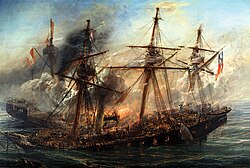
The city's history is marked by both conflict and natural disaster. It has been devastated by several major earthquakes, including events in 1868, 1877, 2005, and a powerful 8.2 magnitude quake on April 1, 2014. Politically, the city shifted from Peruvian to Chilean control after the War of the Pacific, a conflict sparked by territorial disputes between Bolivia and Chile. The Battle of Iquique, fought on May 21, 1879, is still commemorated annually as Navy Day in Chile.
A darker chapter occurred in December 1907 during the Santa María de Iquique Massacre. The Chilean Army opened fire on thousands of saltpetre miners and their families who had gathered at the Santa María School to protest wages and working conditions, resulting in between 500 and 2,000 deaths.
Economy and Trade
Iquique's economy is a diverse mix of industrial production and international commerce. The city is a global hub for the fishing industry, accounting for 35% of Chile's total catch, primarily anchovy and jack mackerel. This sector is vital, with 95% of the production used for fishmeal and fish oil.
Trade is dominated by the free-trade system, most notably the Mall Zofri. This business hub hosts over 1,650 companies and generates approximately 4.7 billion USD in annual trade, offering retail products exempt from the 19% VAT (Value Added Tax). Additionally, Iquique is central to Chile's used clothing imports, handling roughly 123,000 tonnes annually.
Tourism and Architecture
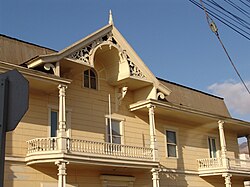
Tourism contributes significantly to the local economy, with hotels, restaurants, and commerce accounting for 30.68% of the GDP. Visitors are drawn to the city's beach climate and its preserved heritage architecture from the nitrate era.
Geography and Demographics
Iquique is characterized by its coastal positioning and desert surroundings. The population is diverse; in the early 20th century, British mining companies brought East Indian workers from India and Pakistan, whose descendants remain part of the community. More recently, the city has attracted retirees from North America and Australia. Immigrants currently make up 9.2% of the population.
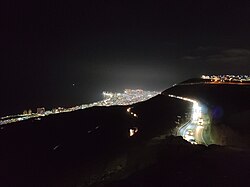
The city is served by the Diego Aracena International Airport, located 48 kilometers south of the urban center.
| Attribute | Detail |
|---|---|
| Total Area | 2,242.1 km² |
| Elevation | 1 m |
| Population (2024) | 199,587 |
| Time Zone | UTC−4 (CLT) / UTC−3 (CLST) |
| Main Airport | Diego Aracena International Airport |
Frequently Asked Questions
What does the name Iquique mean?
The name comes from the Aymara language word "Iki Iki," which means "land of dreams."
Why is Iquique important for trade in Chile?
Iquique is one of only two free ports in Chile. Through the Zofri (Free Trade Zone), businesses can import and sell goods without paying customs duties or VAT, making it a major commercial hub.
What is the significance of the Santa María de Iquique Massacre?
Occurring in December 1907, it was a tragic event where the Chilean Army killed between 500 and 2,000 saltpetre miners and their families during a protest over working conditions.
What is the primary industry in Iquique?
While trade and tourism are huge, industrial fishing is a cornerstone of the economy. Iquique is Chile's largest fishing port, producing 50% of the nation's fishmeal and 60% of its fish oil.
How does the climate in Iquique behave?
Iquique has a hot desert climate (BWh). It is characterized by very low precipitation and moderate temperatures influenced by the Pacific coast, with mean daily maximums ranging from roughly 17.8°C in July to 25.9°C in February.