Invasive Species in Australia: Ecological Impacts and Control Efforts
Australia's unique biodiversity faces significant threats from invasive species—organisms introduced to the environment where they cause ecological or economic harm. These invaders range from microscopic bacteria and fungi to large mammals, each disrupting native ecosystems and challenging the nation's biosecurity measures.
Invasive Fungi and Bacteria
Microscopic pathogens can be just as devastating as large predators. Citrus canker, a bacterial disease, has plagued the agricultural sector; after being eradicated twice in the 1900s, it resurfaced in 2004, leading to the burning of many Queensland orchards. Despite these efforts, the disease was detected again in the Northern Territory and Western Australia in 2018.
Additionally, the oomycete Phytophthora cinnamomi—known as wildflower dieback or jarrah blight—has caused widespread destruction in native vegetation, particularly within banksia woodlands and jarrah forests.
Invasive Vertebrate Animals
Australia is home to 56 introduced invasive vertebrate species. These are generally categorized into three groups: Invasive species (those that spread rapidly), Ferals (domesticated animals that have gone wild), and Pests (animals that negatively impact human living standards or ecosystems and are difficult to control).
High-Impact Mammals and Reptiles
Certain species have caused extreme ecological damage. Feral cats and red foxes are elusive predators that have contributed to the extinction of numerous native birds and mammals. The European rabbit, introduced for hunting, remains a prolific breeder that destroys vast tracts of land.
The cane toad, introduced in 1935 to control cane beetles, has become an extreme threat due to its bufotoxin, which kills native predators that attempt to eat them.
Large Grazers and Environmental Damage
Large herbivores like feral pigs, goats, camels, and water buffalo cause significant soil erosion and destroy wetland vegetation. Feral pigs, in particular, are prolific breeders that can also spread diseases across the landscape.
Key Facts
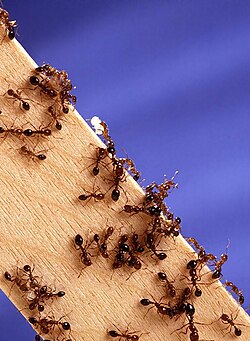
- Economic Cost: Red imported fire ants alone cost approximately A$ 1.72 billion annually (2021).
- Biodiversity Threat: Weeds are the second greatest threat to Australian biodiversity, following land clearing.
- Population Scale: European rabbits are estimated to number over 200 million.
- Agricultural Impact: Weed management costs the Australian economy A$ 4 billion per year.
- Control Methods: Common strategies include 1080 baiting, helicopter culling, and biological controls.
| Species | Origin | Threat Level | Primary Impact |
|---|---|---|---|
| Feral Cat | Europe | Extreme | Predation of native mammals and birds |
| European Rabbit | Europe | Extreme | Land destruction and overgrazing |
| Cane Toad | Americas | Extreme | Toxicity to native wildlife |
| Red Fox | Europe | Extreme | Predation of livestock and native animals |
| Feral Pig | Europe | High | Land destruction and disease spread |
Insects and Terrestrial Arthropods
Insects represent the second costliest class of invasive species. The red imported fire ant is the most expensive, accounting for 71% of total invasive insect costs. Other significant pests include the Queensland fruit fly and the Pacific fruit fly.
Other problematic species include the yellow crazy ant, currently quarantined to Christmas Island where it displaces native crabs, and the European wasp, which competes with native animals for nesting hollows.
Invasive Birds
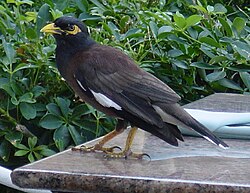
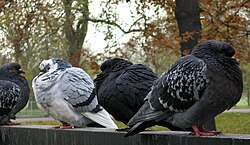
Birds such as the common myna, common starling, and rock pigeon are widespread pests. The common myna is particularly aggressive, forcing native birds from their nests and spreading disease.
Rock pigeons are noted for their acidic faeces, which can damage historic stone buildings in urban areas.
Bird Control Successes
While bird control is often difficult, the Canberra Indian Myna Action Group (CIMAG) saw success through large-scale volunteer trapping. Between 2006 and 2013, they captured over 45,000 mynas, significantly reducing the species' prevalence in the region.
Aquatic and Plant Invaders
Freshwater and Marine Species
In freshwater systems, carp dominate lowland reaches while introduced trout dominate upland areas. In marine environments, pests like the black-striped mussel and European shore crab are often introduced via the ballast water of cargo ships.
Environmental Weeds
Weeds are categorized as either economic weeds (affecting agriculture) or environmental weeds (affecting natural ecosystems). The Weeds of National Significance (WONS) list currently includes 32 taxa. Interestingly, nearly half of Australia's 220 declared noxious weeds were introduced deliberately, often as garden ornamentals.
Control and Management Strategies
Australia employs various methods to manage these species, including trapping, shooting, and chemical baiting. The use of 1080 (sodium fluoroacetate) is common in the south-west, where many native animals have a natural immunity to the toxin found in local plants.
Bounty programs have been used for foxes and cane toads, though their efficacy is debated. A Victorian trial found that fox bounties did not reduce impacts and that a 65% annual population reduction is necessary to see real declines.
Frequently Asked Questions
Why is the 1080 bait used for pest control?
1080 is used because it is highly effective against pests like foxes and pigs. In south-west Australia, it is particularly useful because some native plants contain the same toxin, meaning many native species have evolved a natural immunity to it.
What is the impact of the red imported fire ant?
Beyond the massive economic cost of A$ 1.72 billion annually, these ants pose a direct threat to human health and lifestyle due to their venomous stings.
How did the common myna affect native birds?
The common myna is highly aggressive and is known to force native birds and their eggs out of their nests to take over the nesting site.
Are all weeds introduced accidentally?
No. Almost half of Australia's 220 declared noxious weeds were introduced deliberately, with one-third of those brought in as garden ornamentals.
What happened with the Tasmanian tiger bounties?
Historically, bounties were paid for the extermination of native species perceived as pests. This contributed to the extinction of the Tasmanian tiger (thylacine) and threatened the Tasmanian devil and spotted quoll.