Understanding the International Code of Zoological Nomenclature (ICZN)
Imagine a world where every biologist used a different name for the same animal. In a global scientific community, such chaos would make the sharing of data and the study of biodiversity nearly impossible. To prevent this, zoologists rely on the International Code of Zoological Nomenclature (ICZN). This widely accepted convention provides the essential rules for the formal scientific naming of organisms treated as animals.
Informally known as the ICZN Code, this system is managed by the International Commission on Zoological Nomenclature. The Code ensures that every animal taxon—a group of one or more populations of an organism—has a single, unique, and universally accepted scientific name.
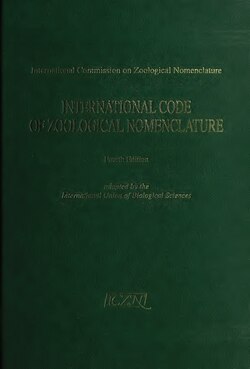
Key Facts
- Purpose: Regulates the establishment, availability, and validity of scientific animal names.
- Current Version: The 4th edition, which has been effective since 2000.
- Core System: Based on binominal nomenclature (a two-part naming system).
- Governing Body: The International Commission on Zoological Nomenclature, which derives its power from the International Union of Biological Sciences (IUBS).
- Modernization: Since 2011, electronic publications are permitted if registered with ZooBank and archived correctly.
The Six Central Principles of Animal Naming
The ICZN operates under six fundamental principles designed to maintain stability and clarity in scientific literature.
1. Principle of Binominal Nomenclature
This is the foundation of zoological naming. Under this system, a species is identified by a binomen (two names): the generic name (genus) and the specific name (species). For example, the giraffe is Giraffa camelopardalis.
- Subspecies: Use a "trinomen" (three names), consisting of the generic, specific, and subspecific names (e.g., Giraffa camelopardalis rothschildi).
- Higher Taxa: Groups above the species rank, such as families (e.g., Giraffidae) or genera (e.g., Giraffa), use a single "uninominal" name.
2. Principle of Priority
The Principle of Priority dictates that the oldest available name for a taxon is the valid name—the one that must be used. This prevents confusion when multiple names are given to the same animal over time.
For instance, if a species was named in 1758 and again in 1837, the 1758 name takes precedence. However, the Commission can issue rulings to conserve a name that is more widely used in practice, even if it is not the oldest. An example is the wildcat, Felis silvestris, which was conserved via Opinion 2027 despite the existence of an older name for the domestic cat.
3. Principle of Coordination
This principle ensures that naming one rank automatically establishes names for related ranks. Publishing a species name (binomen) also establishes the corresponding subspecies name (trinomen). Similarly, establishing a genus name also establishes the corresponding subgenus name.
4. Principle of the First Reviser
When two different names are created for the same species (subjective synonyms) and it is unclear which should take priority, the first scientist to cite both names and select one as the prevailing name becomes the "First Reviser." Their choice sets the precedence for future researchers.
5. Principle of Homonymy
Homonyms occur when the same name is accidentally given to two different taxa. The Code distinguishes between two types:
- Primary Homonyms: Names that are identical from the moment they are published. These are typically permanently invalid.
- Secondary Homonyms: Names that become identical only when two species are later moved into the same genus. These may be temporary depending on the classification used.
6. Principle of Typification
Typification anchors a scientific name to a physical specimen or a specific taxon, known as the type. This provides an objective standard for what the name actually represents.
- Type Genus: The genus that serves as the basis for a family name (e.g., Spheniscus is the type genus for Spheniscidae).
- Type Species: The species that defines a genus. This can be established through original designation, monotypy (when a genus is created with only one species), or absolute tautonymy (when the genus and species names are identical).
Summary of ICZN Principles
| Principle | Core Function | Key Outcome |
|---|---|---|
| Binominal Nomenclature | Standardizes name structure | Genus + species format |
| Priority | Resolves naming conflicts | Oldest available name is valid |
| Coordination | Links different taxonomic ranks | Species name creates subspecies name |
| First Reviser | Resolves subjective synonyms | First author's choice takes precedence |
| Homonymy | Prevents duplicate names | Junior homonyms are invalidated |
| Typification | Provides a physical reference | Name is linked to a type specimen/species |
History and Evolution of the Code
The need for international rules became apparent in the late 1830s, leading to early efforts like the Strickland Code of 1843. By 1889, the first International Zoological Congresses in Paris and Moscow highlighted the need for a unified global system to replace varying local conventions.
The first official "International Rules on Zoological Nomenclature" were published in 1905. Over the following decades, these rules were amended through various congresses until a completely new version was published as the first edition of the ICZN Code on November 9, 1961. Since then, the Code has seen three more editions, with the 4th edition (2000) serving as the current standard.
The Code is not static. It is updated by editorial committees and approved by the taxonomic community. A recent significant update (Amendment A-2012) expanded the rules to include electronic publishing, provided the work has an ISBN or ISSN and is registered with ZooBank.
Frequently Asked Questions
What happens if two different animals are given the same name?
This is known as homonymy. According to the Principle of Homonymy, the junior (younger) name is generally considered invalid and must be replaced to ensure that every animal has a unique scientific identifier.
Why is the "Principle of Priority" so important?
Priority provides a clear, objective rule for deciding which name to use when a species has been named multiple times. By favoring the oldest available name, the ICZN maintains stability and prevents names from changing based on the preference of individual scientists.
What is a "type species"?
A type species is the specific species that serves as the definitive example for a genus. If a genus is split into multiple groups, the original name stays with the group that contains the type species.
Are animal names the same as plant names?
No. Animal, plant, and fungi nomenclature are entirely independent. This means the same generic name can be used for both a plant and an animal (sometimes called "hemihomonyms") without violating the rules of either system.
How is the ICZN Code updated?
Updates are managed by the International Commission on Zoological Nomenclature. New editions or amendments are typically opened for a one-year comment period, allowing the global taxonomic community to provide feedback and vote on Commission members.