Exploring Indiana University: A Legacy of Excellence and Innovation
Established over two centuries ago, Indiana University (Latin: Indianensis Universitas) has grown from a single state seminary into a massive, multi-campus public university system. Guided by its motto, Lux et Veritas (Light and Truth), the institution has become a cornerstone of higher education in the Midwest, fostering groundbreaking research, diverse academic programs, and a vibrant community of scholars and athletes.
With its signature colors of cream and crimson, Indiana University serves a massive population of students across various locations, ranging from its flagship campus in Bloomington to specialized regional centers. Whether through its massive endowment or its storied athletic programs, the university continues to shape leaders in science, politics, the arts, and business.

Key Facts
- Established: January 20, 1820
- Motto: Lux et Veritas (Light and Truth)
- Total Students: 110,436 university-wide
- System-wide Endowment: $3.56 billion (as of 2023)
- Total Campuses: 9 campuses across Indiana
- Flagship Location: Bloomington, Indiana
University Overview and Scale
Indiana University is a sprawling public system that manages a significant academic and financial footprint. As of 2023, the university-wide student body exceeds 110,000, consisting of 89,176 undergraduates and 21,260 postgraduates. This massive community is supported by a faculty of 8,733 members.
The university's financial strength is reflected in its endowment—a fund of donated money intended to provide long-term financial support. In 2023, the system-wide endowment was valued at $3.56 billion. Additionally, the annual budget across all campuses totals more than $4.5 billion.
Campus Locations and Structure
The IU system is organized into core campuses, regional campuses, and regional centers. The primary hubs include Bloomington and Indianapolis. Beyond these, the university maintains several regional campuses to serve different parts of the state:
- IU Kokomo: Established 1945
- IU Southeast: Established 1941 (New Albany)
- IU South Bend: Established 1922
- IU Northwest: Established 1963 (Gary)
- IU East: Established 1971 (Richmond)
Additionally, the administration of IU Indianapolis oversees two regional centers.
| Category | Value/Details |
|---|---|
| Total Students | 110,436 |
| Undergraduates | 89,176 |
| Postgraduates | 21,260 |
| Faculty Members | 8,733 |
| System-wide Endowment | $3.56 Billion |
Research and Innovation
A major driver of the university's impact is the Indiana University Research and Technology Corporation (IURTC). This not-for-profit agency helps faculty and researchers turn their scientific discoveries into commercial products. Since 1997, this partnership has resulted in more than 1,800 inventions, nearly 500 patents, and the creation of 38 start-up companies.
Notable Alumni and Faculty
The university has produced an extraordinary array of influential figures across nearly every professional field. From Nobel Prize-winning scientists to world-renowned entertainers, the "IU" name is recognized globally.
Distinguished Alumni
The list of notable graduates is extensive, including:
- Business & Entrepreneurship: Mark Cuban (investor and owner of the Dallas Mavericks) and Jimmy Wales (co-founder of Wikipedia).
- Literature & Media: Suzanne Collins (author of The Hunger Games series) and Meg Cabot (author).
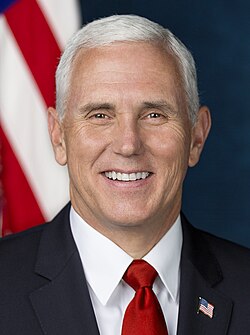
- Politics: Mike Pence (48th vice president of the United States and 50th governor of Indiana).
- Arts & Entertainment: Julia Garner (actress), Kevin Kline (actor), and Howard Ashman (playwright/lyricist).
- Science & Medicine: James Watson (Nobel Prize-winning molecular biologist) and Jerome Adams (20th U.S. Surgeon General).
- Athletics: Victor Oladipo and Eric Gordon (professional basketball players).



Renowned Faculty
The academic rigor of the university is upheld by world-class faculty, including several Nobel laureates such as Renato Dulbecco and Salvador Luria. Other notable scholars include Elinor Ostrom, a Nobel laureate in political economy, and Alfred C. Kinsey, a pioneering biologist and sexologist.
Athletics
Indiana University is a powerhouse in collegiate athletics. The Indiana Hoosiers, representing the Bloomington flagship campus, have been members of the Big Ten Conference since 1899. They compete in 23 different sports, including women's water polo, which competes in the Mountain Pacific Sports Federation.
The IU Indy Jaguars (formerly IUPUI Jaguars) field 18 different sports and have competed in the Horizon League since 2017.
Frequently Asked Questions
What is the motto of Indiana University?
The university's motto is Lux et Veritas, which translates from Latin to "Light and Truth."
How many campuses does the Indiana University system have?
The system consists of 9 campuses, including core campuses, five regional campuses, and two regional centers under the administration of IU Indianapolis.
What is the IURTC?
The Indiana University Research and Technology Corporation (IURTC) is a not-for-profit agency that assists IU faculty and researchers in commercializing their scientific discoveries, helping to turn research into patents and start-up companies.
Which athletic conferences do IU teams belong to?
The Indiana Hoosiers are members of the Big Ten Conference, while the IU Indy Jaguars compete in the Horizon League.
What are the official colors of Indiana University?
The official colors of the university are cream and crimson.