Exploring Ilsanseo-gu: A Guide to the West Ilsan District
Located in the heart of the Gyeonggi province, Ilsanseo-gu (West Ilsan District) serves as a vital administrative and residential hub within the city of Goyang, South Korea. Originally part of the larger Ilsan-gu, the area was divided on May 16, 2005, to create the distinct Ilsandong and Ilsanseo districts we recognize today.
Whether you are interested in its administrative structure, its educational landscape, or its growing residential developments, Ilsanseo-gu offers a unique glimpse into the urban fabric of the Sudogwon (metropolitan) region.
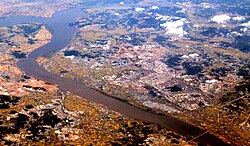
Geography and Location
Ilsanseo-gu is situated in the western portion of Goyang-si. The district covers a total area of 42.15 km². Geographically, the district is split from its eastern neighbor, Ilsandong-gu, by Gobong-ro, a major road that connects the Jungsan and Hosu Park areas.
The district holds a strategic position with several key borders:
- North: Borders Paju-si.
- West: Borders Gimpo-si, separated by the Han River.
Administrative Structure
To manage its growing population and urban needs, Ilsanseo-gu is organized into 9 dong (neighborhoods). These administrative divisions allow for localized governance and community management.
The 9 Neighborhoods of Ilsanseo-gu
The district is composed of the following administrative areas:
- Ilsan 1-dong, Ilsan 2-dong, and Ilsan 3-dong
- Tanhyeon-dong
- Juyeop 1-dong and Juyeop 2-dong
- Daehwa-dong
- Songpo-dong (which includes Beopgot-dong)
- Songsan-dong (divided into Gusan-dong and Gajwa-dong)
- Deogi-dong
Education and Learning
Ilsanseo-gu is a significant center for education, boasting a robust network of academic institutions. The district is home to 46 schools in total, providing comprehensive options for students at every level:
- 22 Elementary schools
- 12 Middle schools
- 9 High schools
- 2 Special schools
A notable feature of the local educational landscape is the Hugok area. This neighborhood is famous for its high concentration of hagwons—private academies or "cram schools" that provide specialized after-school tutoring to help students excel in their studies.
Living Environment and Development
As the region continues to evolve, urban planning efforts are focused on enhancing the quality of life for residents. One significant upcoming development is located in Deok-i-dong, where 1,800 private rental housing units are scheduled to be constructed. This project aims to improve the living environment and provide diverse housing options for the local community.
Key Facts
- Total Area: 42.15 km²
- Administrative Division: 9 dong
- Total Schools: 46
- Major Educational Hub: Hugok (known for hagwons)
- Bordering Cities: Paju-si (North) and Gimpo-si (West)
Summary of Ilsanseo-gu
| Category | Details |
|---|---|
| Country | South Korea |
| Province | Gyeonggi |
| City | Goyang |
| Region | Sudogwon (Gijeon) |
| Neighborhoods | 9 dong |
| Total Schools | 46 |
Frequently Asked Questions
When was Ilsanseo-gu established?
Ilsanseo-gu was officially created on May 16, 2005, when the original Ilsan-gu was divided into Ilsandong-gu and Ilsanseo-gu.
What are "hagwons"?
Hagwons are private educational academies, often referred to as "cram schools," which provide specialized instruction to students outside of regular school hours.
How many schools are located in the district?
There are 46 schools in Ilsanseo-gu, including elementary, middle, high, and special schools.
What is being built in Deok-i-dong?
A new residential development is planned for Deok-i-dong, consisting of 1,800 private rental housing units intended to improve the local living environment.
Which cities border Ilsanseo-gu?
Ilsanseo-gu borders Paju-si to the north and Gimpo-si to the west, across the Han River.