Identity Documents: Global Standards, Policies, and Evolution
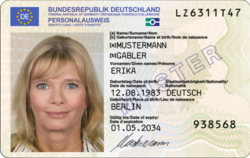
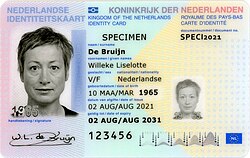
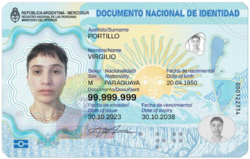
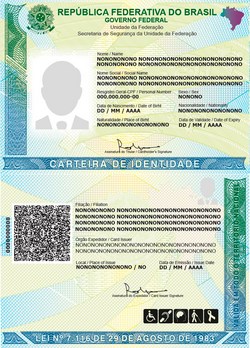
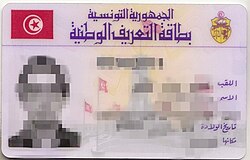
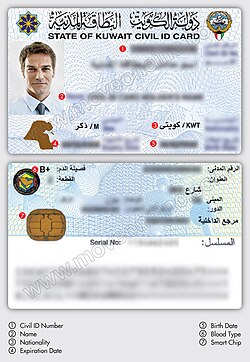
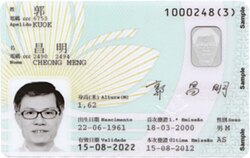
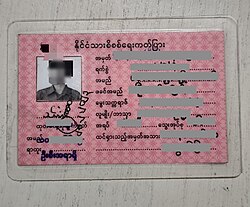
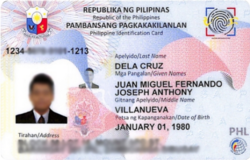
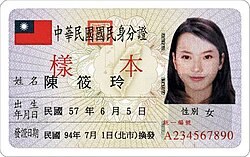
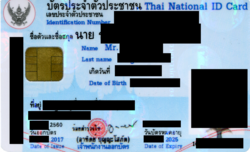
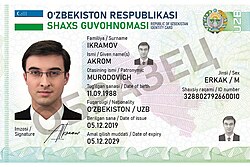
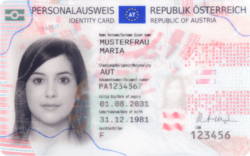
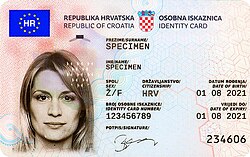
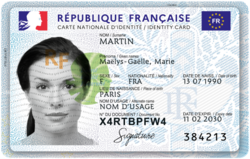
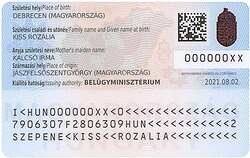
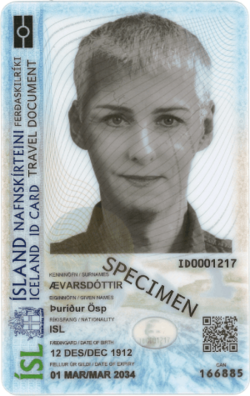
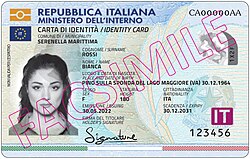
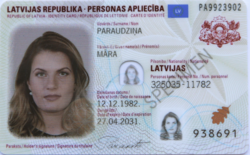
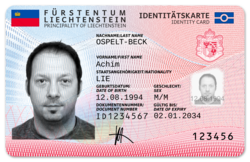
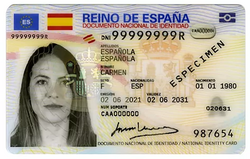
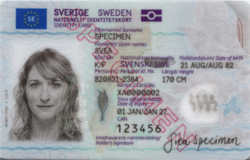
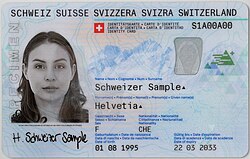
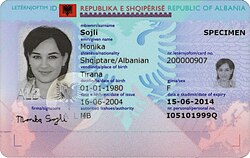
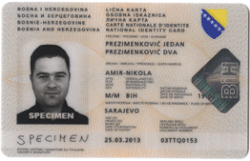
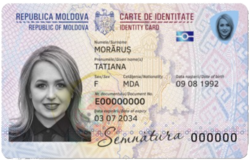
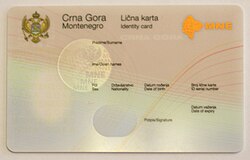
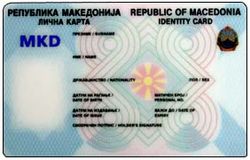
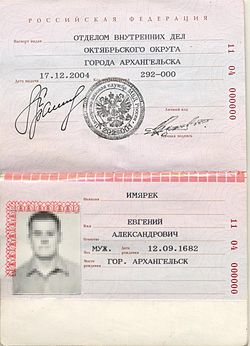
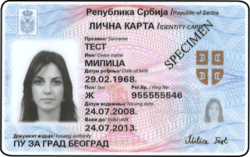
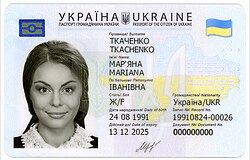
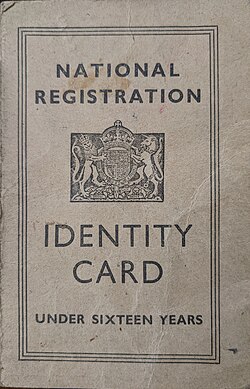
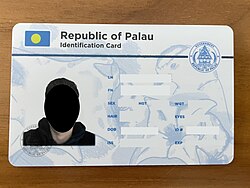
An identity document (ID) is an official record used to prove a person's identity. While these documents can take various forms, they are most commonly issued as plastic cards, known as identity cards (IC). When a document includes a photographic portrait of the holder, it is specifically referred to as a photo ID. Depending on the jurisdiction, carrying or possessing such a document may be a legal requirement.
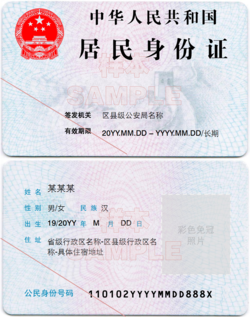
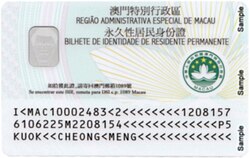
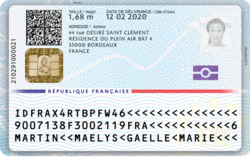
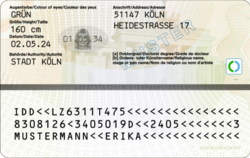
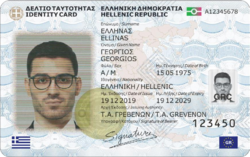
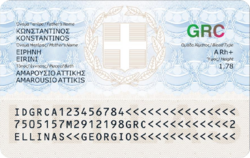
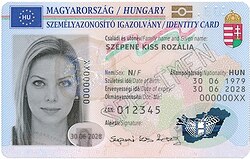
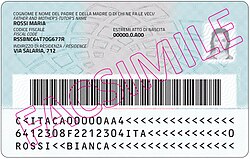
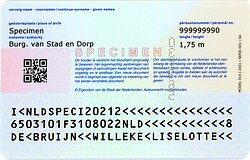
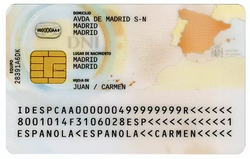
The primary purpose of an identity document is to link an individual to a specific set of data, typically stored in a government database. This connection is established through personal details printed on the card, such as full name, date of birth, address, gender, and citizenship. The most secure method of linkage is a unique national identification number, although not all countries utilize or display these numbers on their documents.
Key Facts

- Purpose: Connects a physical person to a database of personal information.
- Common Formats: Plastic cards (IC), photo IDs, and biometric smart cards.
- Key Data: Typically includes name, birth date, address, and a unique identification number.
- Compulsory Use: In many nations, IDs are mandatory for voting, banking, and accessing social services.
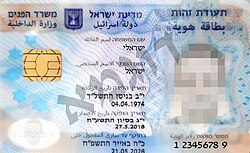
- Modern Trends: A global shift toward biometric technology (fingerprints, iris scans) and electronic chips (eID).
Global Implementation and National Policies

Africa
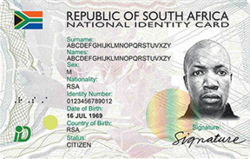
In many African nations, identity documents are essential for basic civic interactions. In Egypt, IDs are required for opening bank accounts, registering for education, and interacting with government agencies for driver's licenses or passports. Similarly, in South Africa, the ID is critical for signing contracts, registering to vote, and applying for unemployment insurance.
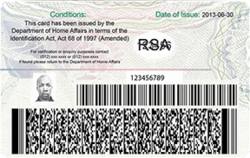
South Africa has transitioned from ID books to smart card IDs, launched on July 18, 2013. These cards are intended to eventually integrate National Health Insurance and social grants into a single platform.
Asia
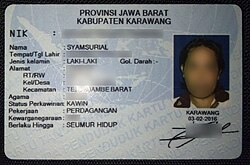
Asian countries vary widely in their ID requirements. In Indonesia, residents over 17 must hold a Kartu Tanda Penduduk (KTP). Since 2011, the government has implemented the Electronic KTP (e-KTP), which utilizes biometric duplication of fingerprints and iris recognition.
Sri Lanka employs the E-National Identity Card (E-NIC), which is compulsory for all citizens aged 16 and older. These cards feature a unique 10-digit number where the first two digits represent the birth year. In Vietnam, citizens over 14 must possess an ID card, with mandatory re-issuance at ages 25, 40, and 60.
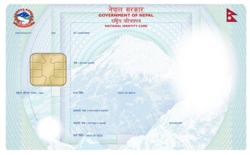
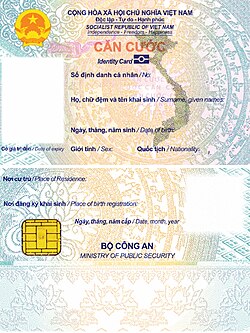
Europe
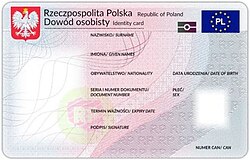
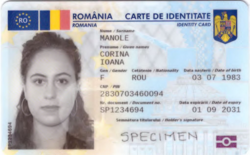
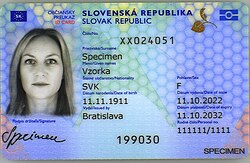
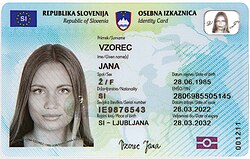
European identity policies are often influenced by the European Union (EU) and the European Free Trade Association (EFTA). Belgium has utilized eID cards since 2000, incorporating chips that allow for legally binding electronic signatures in both public and private sectors.
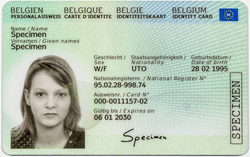
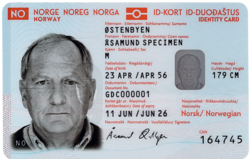
Denmark offers municipal identification cards for those without passports or licenses, though these are not universally accepted for international travel. Norway introduced its national identity card on November 30, 2020, offering versions that specifically denote citizenship for EU/EFTA freedom of movement.
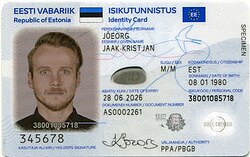
North and South America
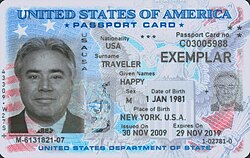
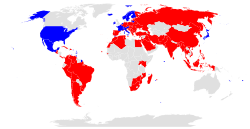
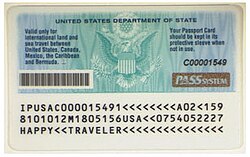
In Mexico, the Cédula de identidad ciudadana is a biometric identity card mandated by the National Security Act of 2008. In the United States, while there is no single national ID card for all citizens, the government issues passport cards for specific travel and identification purposes.
Comparison of Identity Document Types
The following table summarizes the different types of identity documents and their primary characteristics.
| Document Type | Primary Feature | Common Use Case |
|---|---|---|
| Photo ID | Photographic portrait | Visual verification of identity |
| Smart Card / eID | Embedded electronic chip | Digital signatures, secure database access |
| Biometric ID | Fingerprints, iris scans | High-security authentication |
| National ID | Unique national number | Voting, taxes, and social services |
Frequently Asked Questions

What is the difference between an identity document and an identity card?
An identity document is a general term for any record proving identity. An identity card is specifically a plastic card version of such a document.
What are biometric identity cards?
Biometric identity cards are documents that store unique biological data, such as fingerprints or iris scans, to ensure the person presenting the card is the actual owner.
Why do some countries make ID cards compulsory?
Compulsory IDs are often used to streamline government services, ensure secure voting processes, prevent identity fraud, and manage national security.
Can a national ID card be used for international travel?
It depends on the country. For example, some EU/EFTA national IDs allow for freedom of movement within those regions, while others, like Danish municipal cards, are not accepted as valid travel documents abroad.
What information is typically found on a national ID?
Most IDs include the holder's full name, date of birth, address, gender, citizenship, and a unique identification or card number.