Idaho: A Comprehensive Overview of the Gem State
Known officially as The Gem State and colloquially as The Potato State, Idaho is a land of dramatic landscapes, ranging from high mountain peaks to deep river canyons. Admitted to the Union on July 3, 1890, as the 43rd state, Idaho has evolved from its territorial roots in the Oregon, Washington, and Idaho Territories into a vital part of the American West.
Whether you are interested in its rugged natural beauty, its growing urban centers like Boise, or its unique demographic makeup, Idaho offers a diverse tapestry of experiences and facts.

Key Facts
- Capital and Largest City: Boise
- State Motto: Esto perpetua ("Let it be perpetual")
- Total Area: 83,569 square miles
- Highest Point: Borah Peak (12,661 ft)
- Statehood Date: July 3, 1890
- Primary Time Zones: Mountain Time (most of state) and Pacific Time (Idaho Panhandle)
Geography and Climate
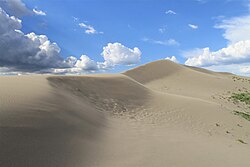
Idaho's geography is defined by its immense scale and varied elevation. The state spans from 42° N to 49° N latitude, covering a total area of 83,569 square miles. While the vast majority is land, the state also contains 926 square miles of water, including significant bodies like Pend Oreille, the largest lake in the state.
The terrain is marked by extreme elevations. The highest point is Borah Peak, reaching 12,661 feet, while the lowest point is located at the confluence of the Snake and Clearwater Rivers in Lewiston, sitting at 712 feet. This variation creates diverse ecosystems and microclimates across the state.
Waterways and Lakes
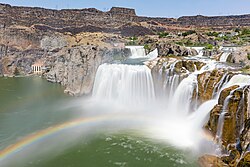
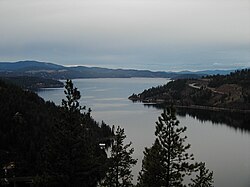
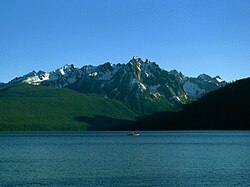
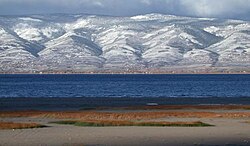
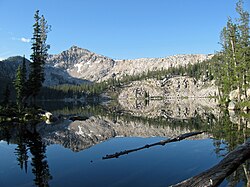
Water plays a central role in Idaho's identity. The Snake River is the state's longest river, carving through the landscape and supporting various ecosystems. Other notable rivers include the Clearwater, Salmon, and Boise Rivers. The state is also home to numerous scenic lakes, such as:
- Bear Lake (on the Idaho–Utah border)
- Redfish Lake
- Lake Coeur d'Alene
- Priest Lake
Climate Patterns
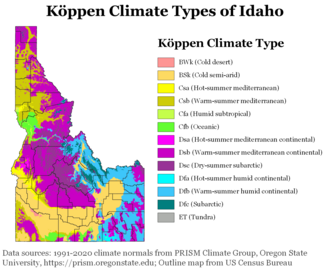
Idaho experiences a variety of climate types. Temperature fluctuations can be significant depending on the region and season. For example, Boise typically sees summer highs around 91°F in July, while Pocatello may experience winter lows of 16°F in January. The state's climate is categorized by the Köppen climate classification system, which groups regions based on temperature and precipitation patterns.
Demographics and Society
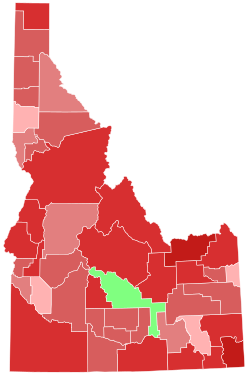
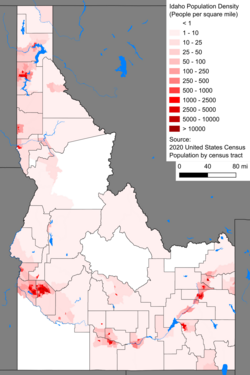
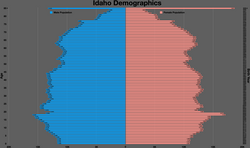
As of 2025 estimates, Idaho's population is approximately 2,029,733. The state has seen significant growth; between 2010 and 2020, it experienced the second-fastest growth rate of any U.S. state at 17.3%.
Ethnic and Racial Composition
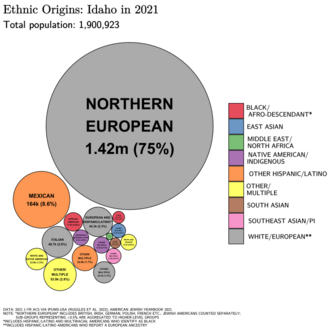
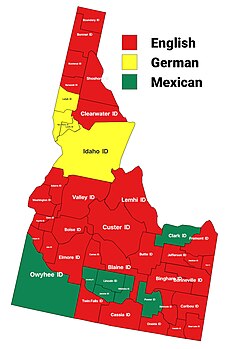
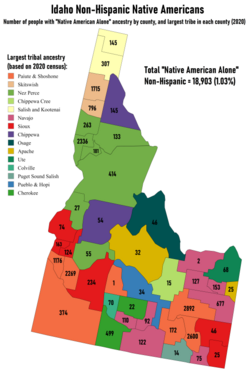
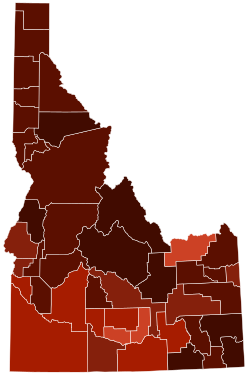
The demographic landscape of Idaho is diverse. According to 2020 census data, the population includes various ethnic origins. While the largest group is Non-Hispanic White, there are significant and growing communities of Hispanic or Latino residents, as well as Asian, Black, and Native American populations. The state also maintains a presence of many different Native American tribes.
Religion and Culture
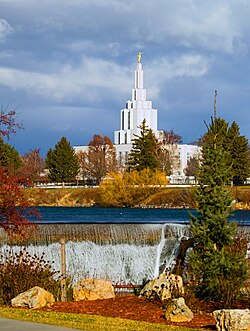
Religious diversity is a notable aspect of Idahoan culture. Major religious affiliations include Protestantism, the Church of Jesus Christ of Latter-day Saints, and Catholicism. Additionally, a significant portion of the population identifies as unaffiliated with a specific religion.
Government and Economy
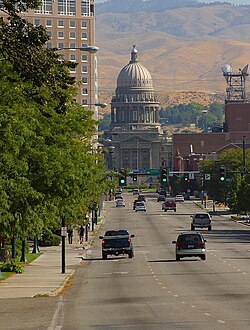
Idaho operates under a state government consisting of an executive branch led by the Governor, a bicameral legislature (Senate and House of Representatives), and a judicial branch headed by the Idaho Supreme Court. The state capital, Boise, serves as the political hub.

The state's economy is supported by various sectors, including agriculture and energy. The median household income as of 2023 was $74,900. Transportation is facilitated by major highways, including Interstates 15 and 84, and various U.S. routes like US-95.


Education
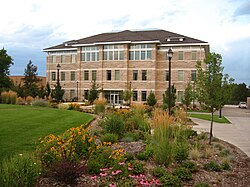
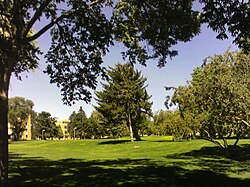
Idaho hosts several institutions of higher learning, providing diverse educational opportunities for its residents. Key universities include:
- University of Idaho
- Boise State University
- Idaho State University
- Brigham Young University-Idaho
Summary of Idaho Statistics
| Category | Detail |
|---|---|
| Total Area | 83,569 sq mi |
| Population (2025 est.) | 2,029,733 |
| Median Household Income | $74,900 (2023) |
| Highest Elevation | 12,661 ft (Borah Peak) |
| Lowest Elevation | 712 ft (Lewiston) |
Frequently Asked Questions
What is the capital of Idaho?
The capital of Idaho is Boise, which also serves as the state's largest city.
What are Idaho's official nicknames?
Idaho is officially known as "The Gem State," but it is also commonly referred to as "The Potato State."
How large is the state of Idaho?
Idaho covers a total area of 83,569 square miles, making it the 11th largest state in the United States.
What is the highest point in Idaho?
The highest elevation in Idaho is Borah Peak, which reaches 12,661 feet above sea level.
Which river is the longest in Idaho?
The Snake River is the longest river located in Idaho.
What is the state motto of Idaho?
The state motto is "Esto perpetua," which is Latin for "Let it be perpetual."