Iceland: A Comprehensive Profile of the Land of Fire and Ice
Iceland, known as the land of fire and ice, is a Nordic island nation defined by its dramatic landscapes, volcanic activity, and a resilient population. From its early settlement by Norsemen to its current status as a high-income parliamentary republic, Iceland blends ancient heritage with cutting-edge sustainability and social progress.
The nation is characterized by its extreme geography, where glaciers sit atop active volcanoes, and its society is marked by a very high Human Development Index (HDI), ranking 1st globally in 2023.
Key Facts
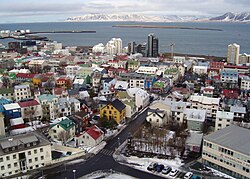
- Capital: Reykjavík, which houses 64% of the total population.
- Government: Unitary parliamentary republic with the Althing as its legislature.
- Economy: High per capita GDP, with fishing providing 40% of exports.
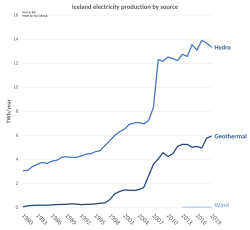
- Energy: Virtually all electricity is generated from renewable resources.
- Demographics: A population of approximately 394,324 (2026 census).
- Language: Icelandic is the official language.
History and Governance
Settlement and the Commonwealth
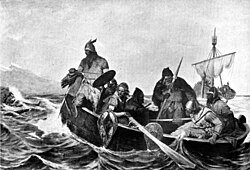
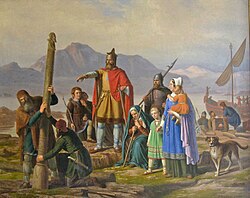
Iceland was settled in the 9th century by Scandinavian Norsemen. Ingólfr Arnarson is recognized as the first permanent settler. By 930, the Icelanders established the Althing, one of the oldest surviving parliaments in the world, marking the start of the Commonwealth period which lasted until 1262.
From Foreign Rule to Republic
Following the Commonwealth, Iceland entered a series of unions, first with Norway (1262–1397), then the Kalmar Union, and eventually falling under Danish rule. The movement for independence gained momentum in the 19th century, leading to a constitution and limited home rule in 1874. Sovereignty was achieved in 1918 in a personal union with Denmark, and the Republic of Iceland was officially established on June 17, 1944.
Modern Political Structure
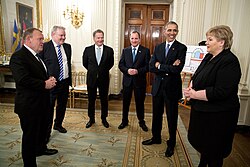
Today, Iceland is a unitary parliamentary republic. The government is led by a President and a Prime Minister, with the Althing serving as the legislative body. The nation is widely recognized for its commitment to women's rights and gender equality.
Geography and Natural Environment
Geology and Climate
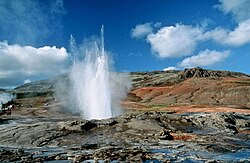
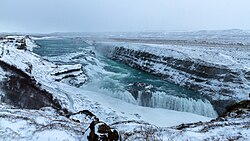
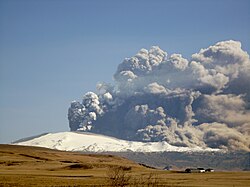
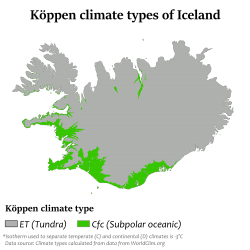
Iceland's geology is dominated by volcanic activity and tectonic plate movement. This results in unique features such as geysers (hot springs that erupt periodically) and massive waterfalls. The climate is classified under various Köppen types, influenced by its North Atlantic position.
Wildlife and Flora
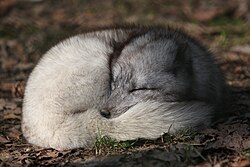
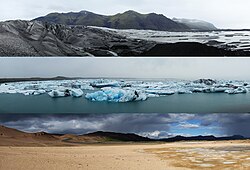
Before human arrival, the Arctic fox was the only land mammal native to the island. The landscape varies from rugged volcanic plains to lush coastal areas, supporting a variety of specialized plant life.
Economy, Energy, and Infrastructure
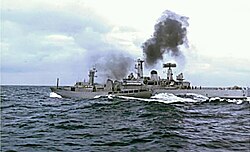
Economic Evolution
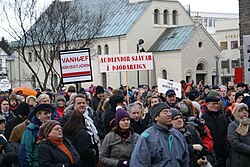
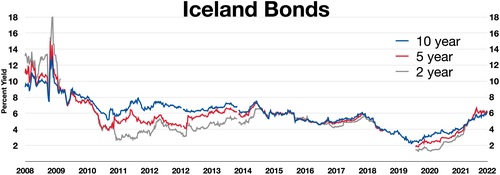
Iceland's economy has historically relied on the fishing industry, which remains a cornerstone of its exports. While the nation experienced a severe financial crisis in 2008, characterized by an inverted yield curve on bonds and widespread protests, it has since recovered and maintained a high standard of living.
Renewable Energy
One of Iceland's most significant achievements is its energy independence. By leveraging its volcanic geology, the country produces virtually all of its electricity from renewable sources, primarily geothermal and hydroelectric power.
![The Nesjavellir Geothermal Power Station services the Capital Region's hot water and electricity needs. Virtually all of Iceland's electricity comes from renewable resources.[200]](/images/48/ea/48ea95ab1ec5276586c01155e3954bb7c2b757f585e8927602f8d313b333bc56.jpg)
Transport and Urbanization
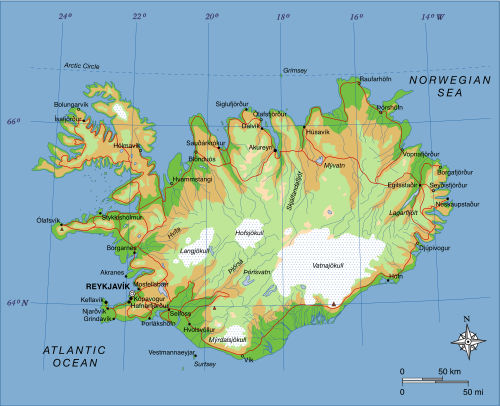
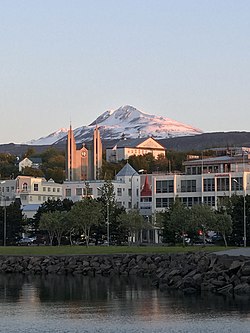
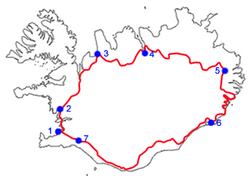
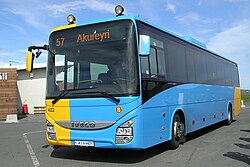
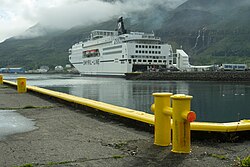
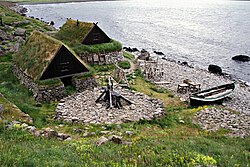
The Ring Road is the primary artery connecting the capital, Reykjavík, to rural towns like Akureyri and Egilsstaðir. While the Capital Region is the most populous, other towns rely heavily on the sea for trade and transport via ferries and fishing outposts.
Society and Culture
Demographics and Health
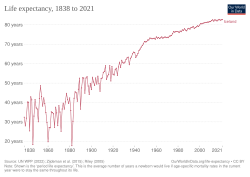
The population is predominantly Icelandic (86%), with significant minority groups from Poland and Lithuania. Icelanders enjoy a very high life expectancy and a robust healthcare system.
Cultural Heritage
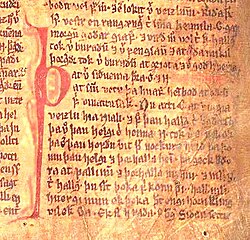
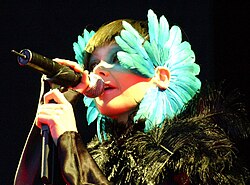
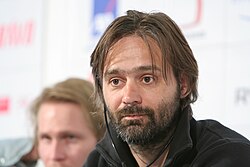
Icelandic culture is deeply rooted in its literary tradition, most notably the Sagas—detailed prose narratives of early settlers. Modern culture is represented by world-renowned figures in music, such as Björk, and cinema, such as Baltasar Kormákur.
Religion and Traditions
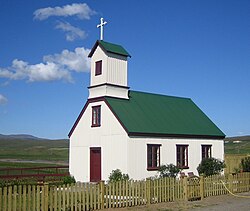
Christianity remains the most prevalent religion, with the Church of Iceland as the official state church. However, there is a growing percentage of the population that is unaffiliated or follows other beliefs, including Humanism and Germanic Heathenism.
Cuisine and Sport
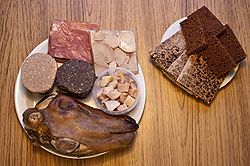
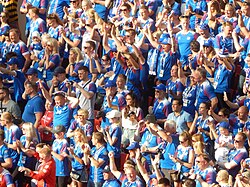
Traditional Icelandic cuisine includes Þorramatur, a selection of cured meats and fish. In sports, handball is considered the national sport, with the men's national team achieving Olympic silver in 2008. Football also maintains a massive following, as seen during the 2018 FIFA World Cup.
![The Iceland men's national handball team (pictured) won the silver medal at the 2008 Summer Olympics. Handball is considered to be Iceland's national sport.[315]](/images/86/ff/86ff8bde72a769c7fb99292234f595096194294053d158eeeabb8b55cae362da.jpg)
| Category | Detail |
|---|---|
| Official Language | Icelandic |
| Currency | Icelandic króna (ISK) |
| Total Area | 103,125 km² |
| Population (2026) | 394,324 |
| GDP Per Capita (Nominal) | $90,280 (5th globally) |
| HDI Rank (2023) | 1st |
Frequently Asked Questions
What is the Althing?
The Althing is Iceland's national legislature and is recognized as one of the oldest surviving parliaments in the world, established in 930 AD.
How does Iceland produce its electricity?
Iceland utilizes its unique volcanic geography to generate virtually all of its electricity from renewable resources, specifically geothermal and hydroelectric power.
What was the impact of the 2008 financial crisis?
The 2008 crisis led to a severe economic contraction, an inverted bond yield curve, and significant public protests, though the country has since recovered its economic stability.
Which animal was the only land mammal in Iceland before humans?
The Arctic fox was the only land mammal present in Iceland prior to the arrival of human settlers.
What is the significance of the Sagas?
The Sagas are a vital part of Icelandic heritage, consisting of historical prose narratives that document the lives and conflicts of the early Norse settlers.