Hymns: The History and Tradition of Devotional Song
A hymn is a specialized type of song written for the purpose of adoration or prayer. While often synonymous with devotional songs, hymns are specifically addressed to a deity, deities, or a prominent figure or personification. The term originates from the Greek word hymnos, meaning "a song of praise." In the realm of sacred music, the composition and singing of these pieces is known as hymnody, while the writers themselves are called hymnists or hymnodists.
Hymns are compiled into collections known as hymnals or hymn books. While many are performed with instrumental accompaniment, others are sung a cappella. In Greek mythology, the goddess Polyhymnia serves as the patron of hymns.
![Arvid Liljelund [de; fi; sv]'s Man Singing Hymn (1884)](/images/50/a8/50a83faee468deb016c41222030fbbffc6ec7dfcd0da5ab224cb5cf6c2cae1c4.jpg)
Key Facts
- Definition: A song of praise or prayer addressed to a divine or prominent figure.
- Global Reach: Found in Christianity, Hinduism (stotras), Zoroastrianism, and ancient Egyptian and Greek cultures.
- Ancient Roots: Some of the oldest notated music examples are Greek hymns.
- Structure: Often defined by specific meters (syllable counts) to fit particular tunes.
- Diversity: Ranges from formal organ-accompanied church music to rural folk traditions like Sacred Harp.
The Evolution of Christian Hymnody
In the Western church, hymns have evolved from simple biblical paraphrases to original poetic compositions. Early English writers focused heavily on paraphrasing the Psalms. This changed with Isaac Watts (1674–1748), who is credited with writing the first English hymn that was not a direct paraphrase of Scripture. Driven by a desire to allow the faithful to sing specifically about Christ Jesus, Watts composed "Behold the glories of the Lamb," based on Revelation 5.
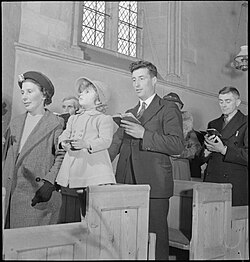
Musical Accompaniment and Style
Hymns are frequently accompanied by instruments, with the organ being a staple in many Western traditions. The style of singing varies significantly between the Western and Eastern churches, reflecting different theological and cultural priorities.
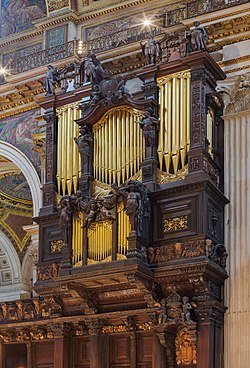
American Developments and the Sacred Harp
By the 1860s, musical reformers such as Lowell Mason pushed for "refined" Victorian singing styles. This led to the introduction of trained choirs in urban areas, moving away from full congregational participation. However, in rural areas, older traditions persisted through singing conventions. The most enduring of these is Sacred Harp singing, a tradition re-discovered by Alan Lomax in the 1960s that continues to see a renaissance across the United States, Europe, and Australia today.
Hymn Meters and Structure
To ensure lyrics fit a specific melody, hymnists use meters, which are denoted by numbers representing the syllables per line. For example, a meter of "87.87.87" indicates a six-line verse with alternating counts of eight and seven syllables.
| Abbreviation | Name | Syllable Structure |
|---|---|---|
| L.M. | Long Meter | 88.88 (4 lines) |
| S.M. | Short Meter | 66.86 (4 lines) |
| C.M. | Common Metre | 86.86 (4 lines) |
| D.L.M. / D.S.M. / D.C.M. | Double Meters | 8 lines (doubling the respective single meter) |
Hymns in World Religions
Beyond Christianity, hymns are central to various global spiritual practices. In the Indian subcontinent, stotras serve as a primary form of Hindu hymnody. Notable examples include the Ram Raksha Stotra, Shiva Tandava Stotram, and the Naalayira Divya Prabandham.
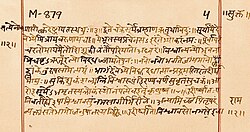
Other religious traditions also utilize hymns and sacred chants:
- Zoroastrianism: Features the Gathas, including the Ahunavaiti and Ushtavaiti Gatha.
- Sikhism: Maintains a rich tradition of hymnody centered around the Guru Granth Sahib.
- Buddhism, Confucianism, Islam, Judaism, and Shinto: All incorporate forms of devotional singing or chanting as part of their liturgical or spiritual life.

Frequently Asked Questions
What is the difference between a hymn and a general song?
A hymn is specifically written for adoration or prayer and is typically addressed to a deity or a prominent spiritual figure, whereas a general song can be about any subject.
Who was Isaac Watts and why is he important?
Isaac Watts was an English writer who broke the tradition of only singing biblical paraphrases (like the Psalms) by writing original hymns, such as "Behold the glories of the Lamb," allowing worshippers to sing directly about Christ.
What is Sacred Harp singing?
Sacred Harp is a traditional form of congregational singing that survived in rural American communities. It is characterized by a distinct style and the use of specific tune-books, experiencing a modern global revival.
How do hymn meters work?
Hymn meters are numerical codes (e.g., 86.86) that tell the singer or composer how many syllables are in each line of a verse, ensuring the text fits the musical melody.
Are hymns only found in Christianity?
No. Hymns are found in many world religions, including Hinduism (where they are called stotras), Zoroastrianism, Sikhism, and others, as well as in ancient Greek and Egyptian cultures.