Hyderabad: The Historic and Modern Metropolis of Telangana
Hyderabad is a sprawling metropolis in the Indian state of Telangana, blending a rich royal heritage with a cutting-edge technological future. Founded in 1591 by Muhammad Qutb Shah and named after Ali, the city has evolved from a regional seat of power into one of India's most significant urban centers. Today, it serves as a hub for information technology, pharmaceuticals, and culture, attracting millions of residents and visitors alike.
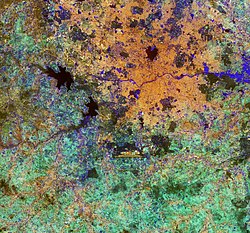
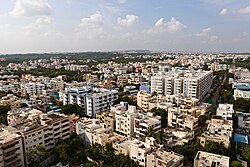
The city's geography is defined by its elevation of 536 meters and its proximity to the Musi River. Its urban landscape is a study in contrasts, where centuries-old palaces stand alongside glass-walled skyscrapers.
Key Facts
- Founded: 1591 by Muhammad Qutb Shah.
- Population: Approximately 6.8 million (2011 Census), with metro estimates reaching 9.7 million.
- Official Languages: Telugu and Urdu.
- Key Economy Hubs: HITEC City (IT) and Genome Valley (Biotech/Pharma).
- Major Landmarks: Charminar, Hussain Sagar Lake, and the Qutb Shahi tombs.
Historical Evolution
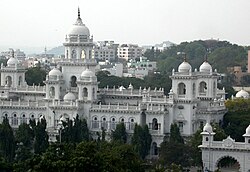
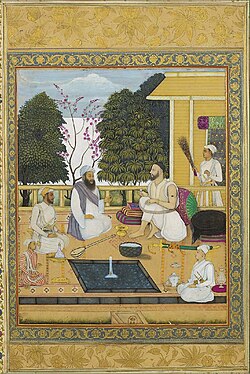
The origins of Hyderabad are rooted in the Deccani culture, characterized by a fusion of Persian, Turkic, and local Indian influences. Early history was marked by the patronage of the Qutb Shahi dynasty, who fostered an environment of art and music.
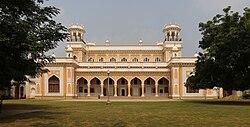
As the city transitioned into the modern era, it became the seat of the Nizams. This period saw the construction of opulent structures like the Chowmahalla Palace, built by Salabat Jung in 1750, which served as a principal residence for the rulers.
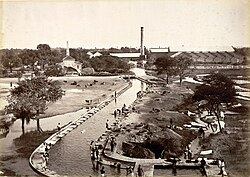
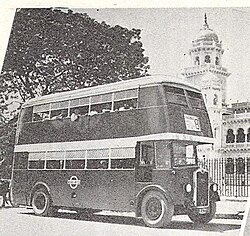
The 19th and 20th centuries brought industrialization and improved infrastructure. The introduction of railways in the 1880s spurred the growth of factories around Hussain Sagar lake, and by 1932, the city had introduced bus services to facilitate urban movement.
Geography and Climate
Hyderabad experiences a varied climate with significant seasonal shifts. The city is known for its hot summers and a monsoon season that brings the majority of its annual rainfall, primarily between June and September.
| Metric | Coolest Month (Jan) | Hottest Month (May) | Wettest Month (Aug) | Annual Average |
|---|---|---|---|---|
| Mean Daily Max Temp (°C) | 28.6 | 38.8 | 29.6 | 32.0 |
| Mean Daily Min Temp (°C) | 13.9 | 26.0 | 22.0 | 20.0 |
| Average Rainfall (mm) | 9.2 | 34.5 | 203.9 | 859.6 |
Urban Infrastructure and Administration
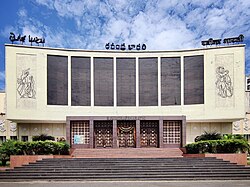
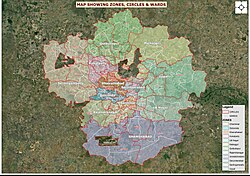
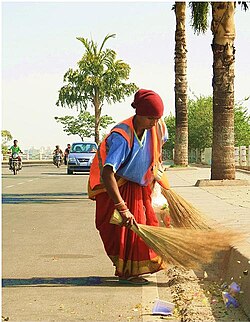
The city is administered by the Greater Hyderabad Municipal Corporation (GHMC), which is divided into six municipal zones to manage the vast urban sprawl. From the cleaning of Tank Bund Road to the management of public utilities, the GHMC oversees the daily operations of the metropolis.
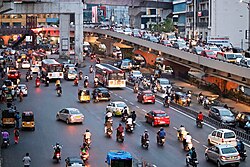
Transportation has evolved from traditional rickshaws to a sophisticated network including the Hyderabad Metro and the Rajiv Gandhi International Airport. However, the city still faces challenges with traffic congestion, particularly on major arteries like the Begumpet Flyover.
Economy and Modern Development
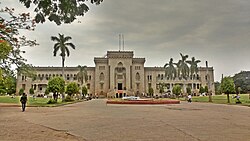
Hyderabad has transformed into a global destination for business. HITEC City (Hyderabad Information Technology and Engineering City) stands as the epicenter of this growth, hosting numerous international IT firms.
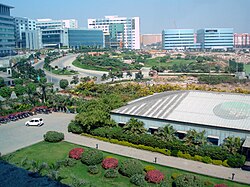
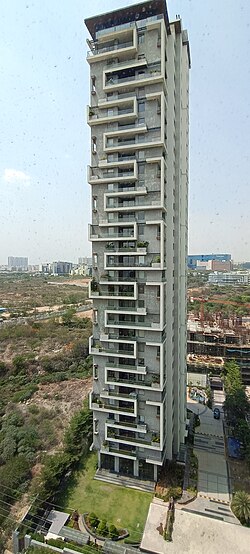
Beyond software, the city is a leader in life sciences, often referred to as "India's Genome Valley" due to its concentration of pharmaceutical and biotech companies. This economic shift is visible in the skyline of the Financial District in Nanakramguda, where modern architectural marvels like the Myscape Isle of Sky are located.
Culture, Arts, and Lifestyle
The cultural fabric of Hyderabad is a blend of diverse religions and ethnicities, with Hinduism (64.93%) and Islam (30.13%) being the primary faiths. This diversity is reflected in the city's festivals, such as Bonalu, and its world-renowned cuisine.
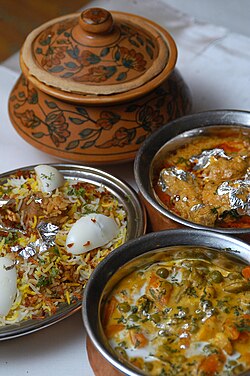
Hyderabadi Biryani is perhaps the most famous culinary export of the city, representing a sophisticated blend of spices and slow-cooking techniques.
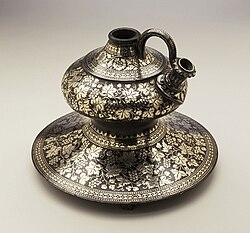
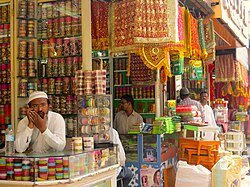
The city also preserves traditional crafts, such as Bidriware—a unique metal handicraft involving an alloy of zinc and copper inlaid with silver. For shopping, the Laad Bazaar near the iconic Charminar remains a premier destination for bridalwear and jewelry.
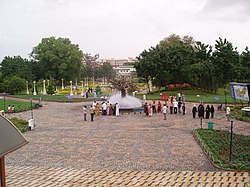
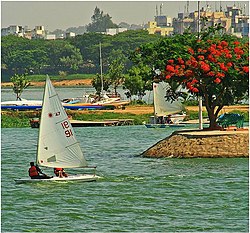
Recreation is centered around Hussain Sagar lake, where visitors can enjoy the NTR Gardens or participate in sailing regattas using Optimist and Laser dinghies.
Frequently Asked Questions
Who founded the city of Hyderabad?
Hyderabad was founded in 1591 by Muhammad Qutb Shah.
What are the official languages spoken in Hyderabad?
The official languages of the city are Telugu and Urdu.
What is HITEC City?
HITEC City is the primary hub for information technology companies in Hyderabad, driving the city's modern economic growth.
Which is the most famous dish from Hyderabad?
Hyderabadi Biryani is the most renowned dish, celebrated for its unique flavor and royal heritage.
How is the city's administration structured?
The city is managed by the Greater Hyderabad Municipal Corporation (GHMC), which is organized into six municipal zones.